Everest Base Camp Trek for Beginners: Your Ultimate Guide
Introduction: Unveiling the Everest Dream
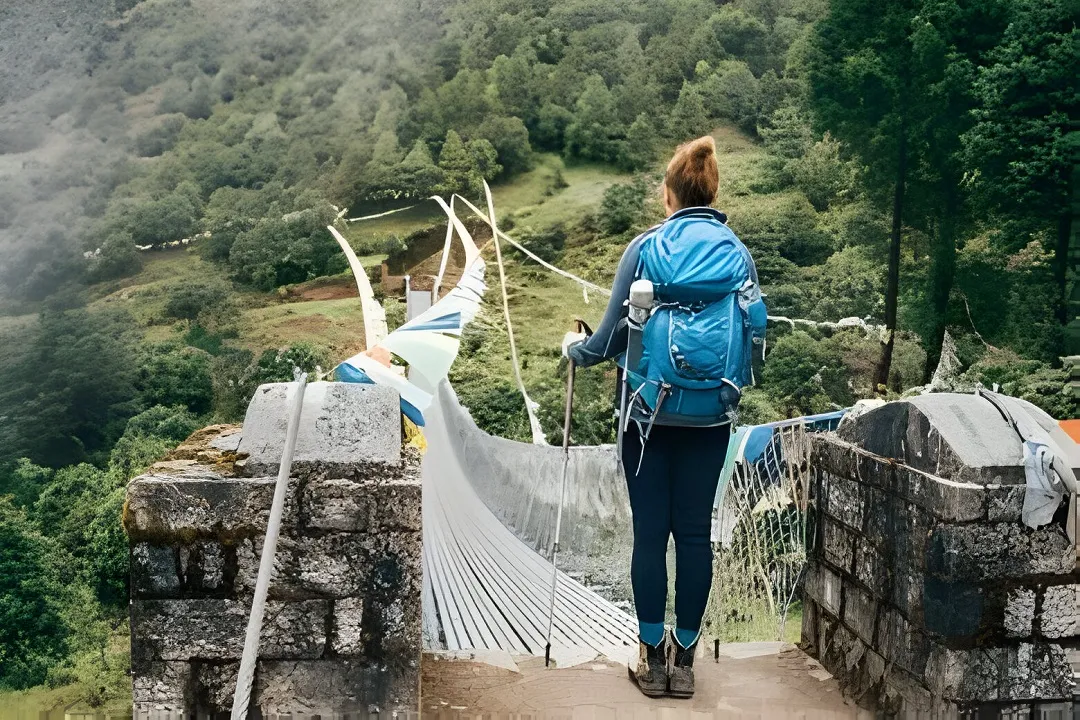
Imagine standing at the foot of Mount Everest, the colossal titan that pierces the heavens, its icy peak glistening in the sun. This dream, once seemingly reserved for seasoned mountaineers, is now within reach for beginners. The Everest Base Camp trek is not a mere hike; it's an unforgettable odyssey through a breathtaking Himalayan wonderland. Embarking on this journey doesn't require the skills of a seasoned climber but rather a spirit of adventure, a love for the mountains, and a willingness to prepare for an experience that will leave an indelible mark on your soul. Get ready to immerse yourself in stunning landscapes, vibrant Sherpa culture, and the thrill of achieving a lifelong dream: conquering the Everest Base Camp trek.
Why Everest Base Camp? The Allure of a Himalayan Adventure
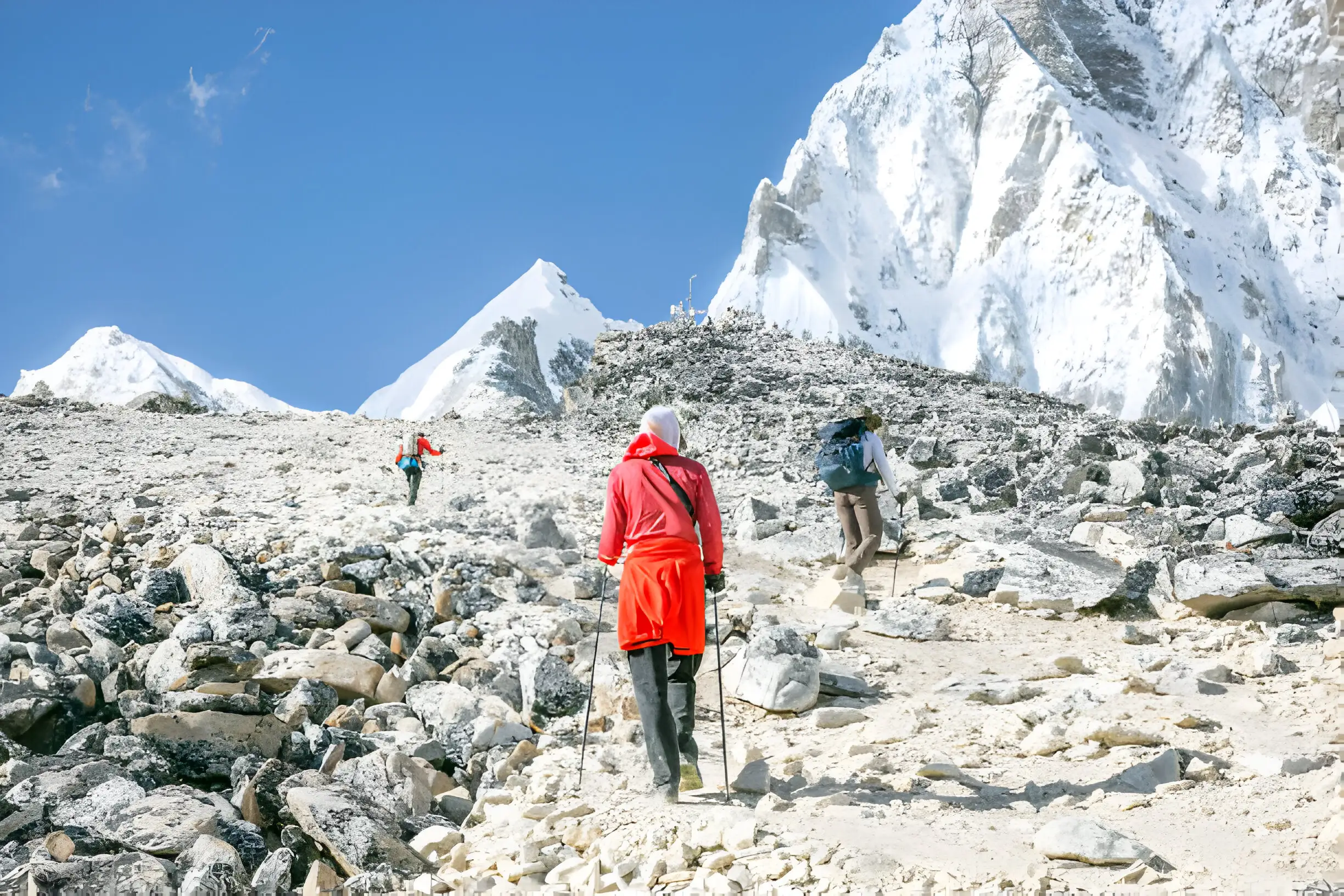
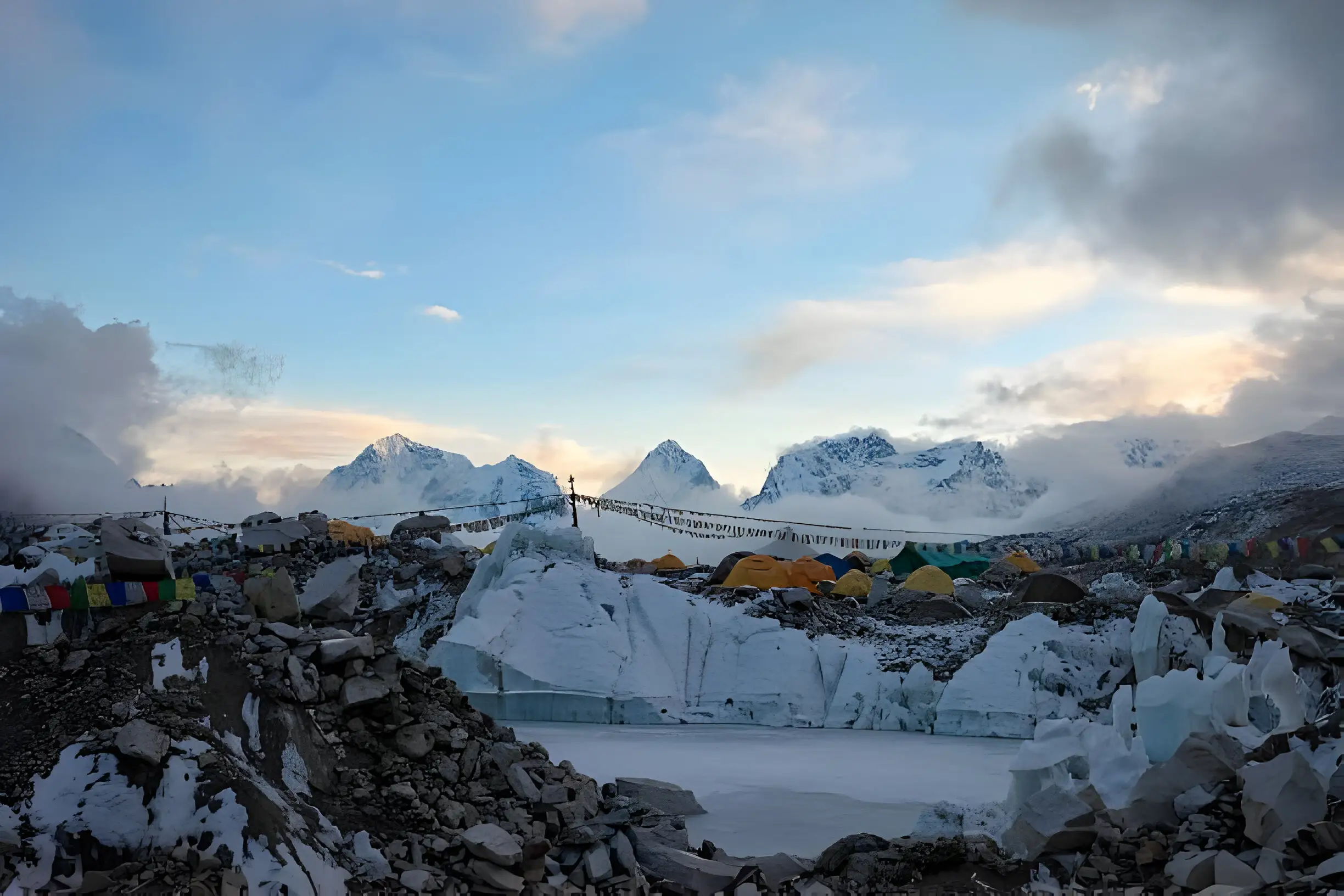
The Everest Base Camp trek is more than just a hike; it's a pilgrimage to the very heart of the Himalayas. Its irresistible blend of adventure, natural beauty, and cultural immersion sets it apart.
- Iconic Status: Standing at the foot of Mount Everest, the highest point on Earth, is an experience unlike any other. The sheer scale and majesty of the mountain inspire awe and a profound sense of humility.
- Diverse Landscapes: The journey to Base Camp is a visual feast. From lush rhododendron forests and cascading waterfalls to rugged valleys and glacial moraines, the ever-changing scenery captivates you at every turn.
- Cultural Immersion: The trek winds through Sherpa villages, offering a glimpse into a unique culture deeply intertwined with the mountains. Interact with the warm and welcoming Sherpa people, visit ancient monasteries adorned with colourful prayer flags, and witness firsthand the resilience and spirituality that define this region.
- Beyond the Summit: The journey is as rewarding as reaching Base Camp. Traverse thrilling suspension bridges, savour delicious local cuisine in cosy teahouses, and forge unforgettable bonds with fellow trekkers worldwide.
Preparing for Your Everest Expedition: A Beginner's Checklist
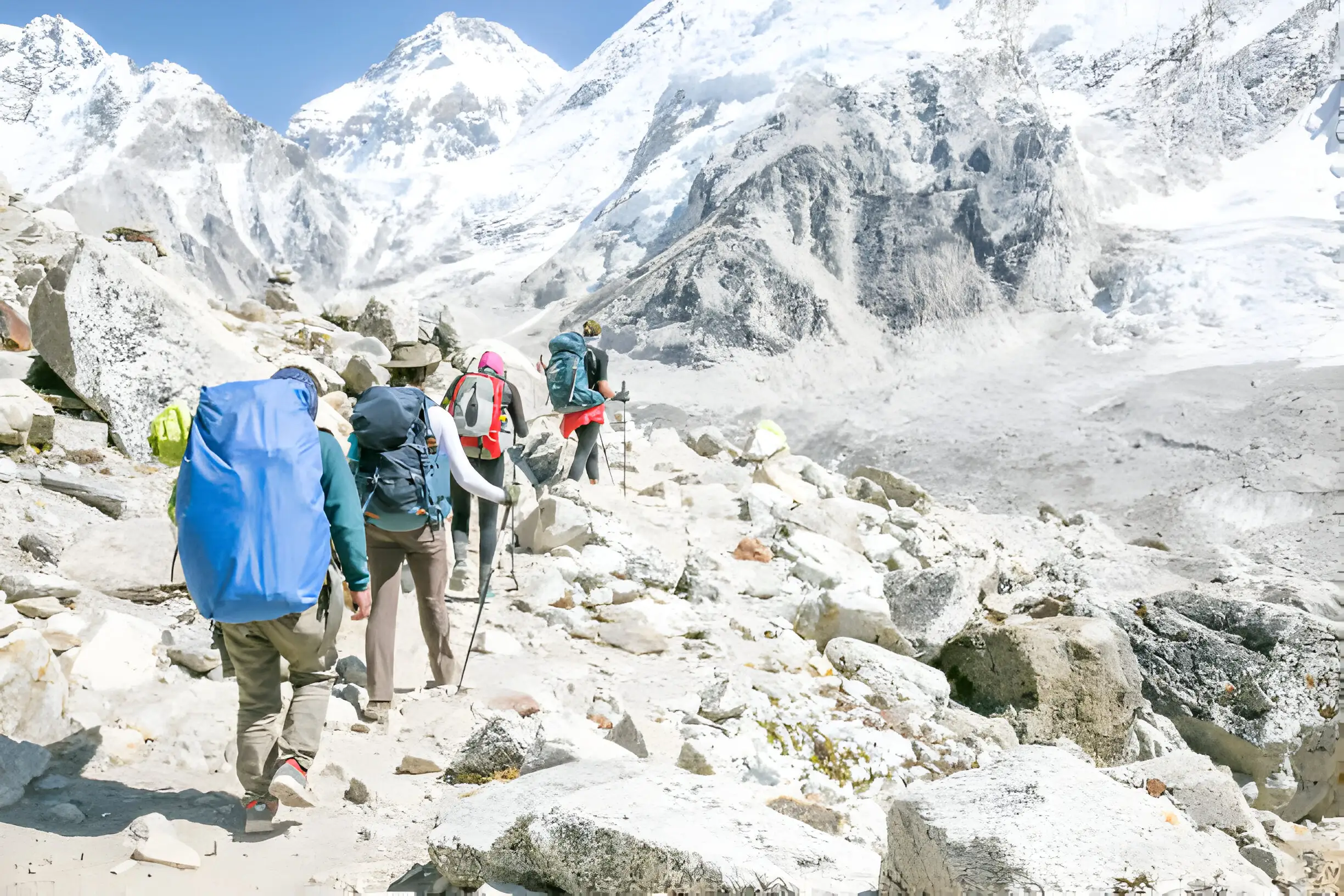
While the Everest Base Camp trek is achievable for those new to trekking, thorough preparation is key. Here's what you need to know:
- Physical Fitness: You don't need to be an Olympic athlete, but a reasonable fitness level is essential. Focus on cardiovascular endurance and strength training for your legs and core. Aim for 3-4 months of regular exercise before trek and consider altitude training.
- Gear and Packing: Packing smart is crucial. My detailed Everest Base Camp Trek Packing List blog post provides a comprehensive guide on what to bring, including recommendations for clothing, footwear, trekking gear, and essentials.
- Permits and Logistics: The TIMS card, Sagarmatha National Park Entry Permit, and Khumbu Pasang Lhamu Rural Municipality Permit are mandatory. You can obtain them through trekking agencies or the Nepal Tourism Board.
- Choosing a Trekking Agency: It is highly recommended that beginners join a guided trek with a reputable agency. These agencies handle logistics, provide experienced guides and porter support, and ensure safety.
Everest Base Camp Trek Itinerary for Beginners: 14 Days of Himalayan Magic
Embark on an unforgettable journey through the heart of the Himalayas with this meticulously crafted 14-day Everest Base Camp trek itinerary designed specifically for beginners.
Day 1: Touchdown in Kathmandu (1,400m/4,593ft)
- Arrival at Tribhuvan International Airport, Kathmandu.
- Warm welcome by your trekking agency representative.
- Transfer to your hotel in the vibrant Thamel district.
- Relax, unwind, and prepare for your Himalayan adventure.
Day 2: Flight to Lukla & Trek to Phakding (2,652m/8,700ft) (Trek: 3-4 hours)
- Early morning scenic flight to Tenzing-Hillary Airport in Lukla.
- Meet your guide and porter, and begin your trek.
- Descend through lush pine forests towards the Dudh Koshi River.
- Cross thrilling suspension bridges and pass through charming Sherpa villages.
- Overnight in Phakding, a picturesque village nestled in the valley.
Day 3: Trek to Namche Bazaar (3,440m/11,286ft) (Trek: 5-6 hours)
- Ascend gradually through pine and rhododendron forests.
- Catch your first glimpse of Everest on a clear day.
- Cross the famous Hillary Suspension Bridge.
- Arrive in Namche Bazaar, the bustling gateway to Everest Base Camp.
Day 4: Acclimatization Day in Namche Bazaar
- Rest and acclimatize to the higher altitude.
- Hike to the Everest View Hotel for panoramic views of Everest, Lhotse, Ama Dablam, and other peaks.
- Explore the vibrant market and Sherpa Museum in Namche Bazaar.
Day 5: Trek to Tengboche (3,867m/12,687ft) (Trek: 5-6 hours)
- Ascend through a beautiful forest of juniper, fir, and rhododendron.
- Visit the Tengboche Monastery, the largest monastery in the Khumbu region.
- Enjoy stunning views of Ama Dablam, Everest, Lhotse, and Nuptse.
Day 6: Trek to Dingboche (4,410m/14,469ft) (Trek: 5-6 hours)
- Follow the Imja Khola valley, passing through alpine meadows and yak pastures.
- Cross the river on a sturdy bridge and ascend to Dingboche.
- Enjoy breathtaking views of Island Peak (Imja Tse) and other peaks.
Day 7: Acclimatization Day in Dingboche
- Take a well-deserved rest day to acclimatize further.
- Hike to Nagarjun Hill for spectacular 360-degree views of the surrounding peaks.
- Explore the village or relax in a teahouse.
Day 8: Trek to Lobuche (4,940m/16,207ft) (Trek: 4-5 hours)
- Ascend the Khumbu Glacier moraine, passing memorials dedicated to climbers who died on Everest.
- Reach Lobuche, a small settlement with stunning views of Nuptse, Pumori, and other peaks.
Day 9: Trek to Gorakshep (5,164m/16,942ft) & Everest Base Camp (5,364m/17,598ft) (Trek: 6-7 hours)
- Trek through the rocky terrain of the Khumbu Glacier.
- Arrive at Gorakshep, the final stop before EBC.
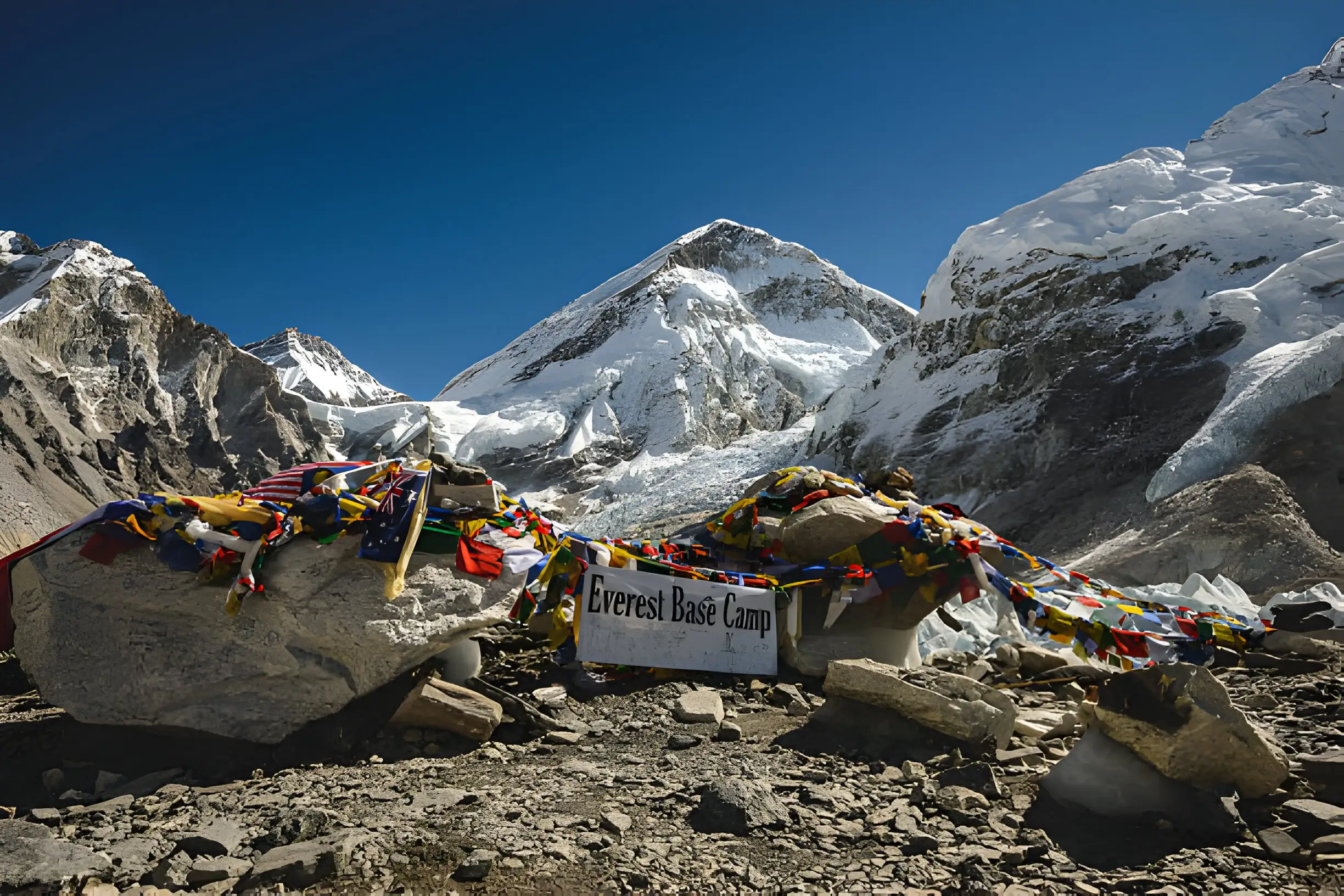
- Hike to Everest Base Camp, the starting point for Everest expeditions.
- Return to Gorakshep for the night.
Day 10: Hike to Kala Patthar (5,545m/18,192ft) & Trek to Pheriche (4,240m/13,911ft) (Trek: 7-8 hours)
- Wake up early for an unforgettable sunrise hike to Kala Patthar, the best vantage point for views of Everest.
- Descend back to Gorakshep, have breakfast, and continue trekking to Pheriche.
- Enjoy views of Ama Dablam, Thamserku, and other peaks.
Day 11: Trek to Namche Bazaar (Trek: 6-7 hours)
- Descend through rhododendron forests, passing by waterfalls and streams.
- Enjoy the lush greenery and warmer temperatures as you descend.
- Arrive in Namche Bazaar for a well-deserved rest and hot shower.
Day 12: Trek to Lukla (Trek: 6-7 hours)
- Continue descending through pine forests and Sherpa villages.
- Cross-suspension bridges over the Dudh Koshi River.
- Celebrate your successful trek with a farewell dinner in Lukla.
Day 13: Flight from Lukla to Kathmandu
- Early morning flight back to Kathmandu, bidding farewell to the mountains.
- Transfer to your hotel and spend the rest of the day relaxing or exploring the city.
Day 14: Departure Day
- Enjoy your last moments in Kathmandu, shopping for souvenirs or exploring any remaining attractions.
- Depart from Tribhuvan International Airport carrying unforgettable memories of your Everest Base Camp adventure.
Acclimatization Emphasis
Acclimatization is crucial for preventing altitude sickness. The itinerary includes two acclimatization days (in Namche Bazaar and Dingboche) with short hikes to help your body adjust to the increasing altitude. Listen to your body, stay hydrated, and ascend slowly.
Customization Options
This itinerary can be customized to accommodate your fitness level, interests, and time constraints. You can add or remove days, choose different trekking routes, or incorporate additional activities like cultural experiences or side treks.
Everest Base Camp Trek Cost for Beginners: What to Expect
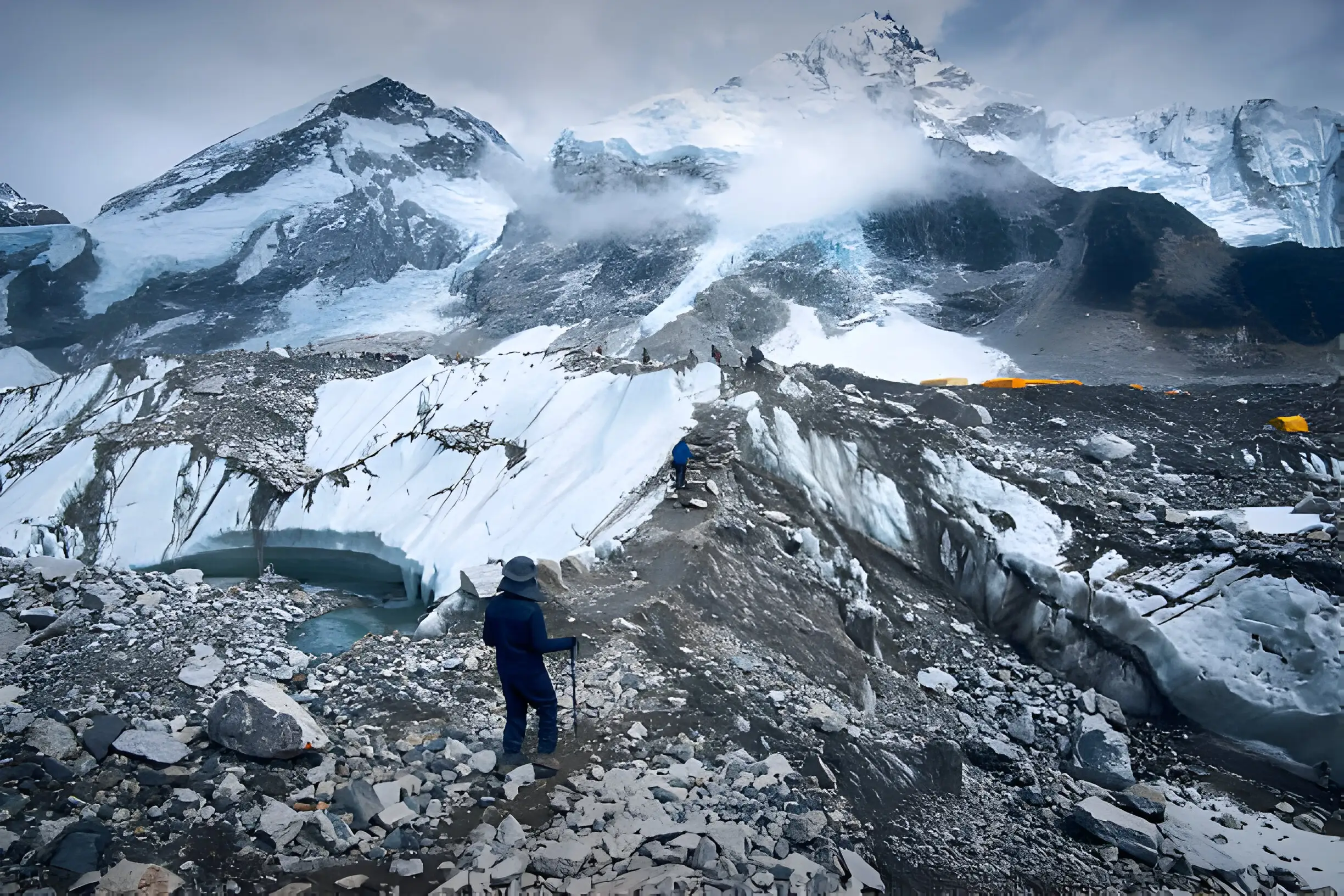
The cost of your Everest Base Camp trek will vary based on several factors, including flights, permits, accommodation, food, guide/porter fees, and personal expenses. For a detailed breakdown and budgeting tips, check out my comprehensive blog post on Everest Base Camp Trek Cost.
Everest Base Camp Trek Difficulty: A Beginner's Perspective
While challenging, the Everest Base Camp trek is achievable for beginners with proper preparation. The primary challenge is the high altitude, so acclimatization is crucial. The terrain varies, and weather conditions can change rapidly. For an in-depth analysis, read my Everest Base Camp Trek Difficulty blog post.
Best Time to Trek to Everest Base Camp: Seasons of Adventure
The best time for beginners is spring (March-May) or autumn (September-November), with stable weather and clear views. For a more comprehensive guide, check out my detailed blog post on Best Time to Trek to Everest Base Camp.
Everest Base Camp Trek for Beginners: Essential Services and Tips
Navigating the Everest Base Camp Trek can be smoother and more enjoyable for beginners with the right information and preparation. Explore the essential services and tips to ensure a successful and memorable adventure.
Services & Accommodation in Everest Base Camp Trek
Teahouses: Your Himalayan Havens
Forget fancy hotels – teahouses are the heart and soul of accommodation on the EBC trek. These charming lodges, often family-run, offer simple yet comfortable rooms, hearty meals, and a warm, welcoming atmosphere. You'll share stories with fellow trekkers, dry your gear by the fire, and savour a hot cup of tea while gazing at the majestic mountains.
Accommodations: Teahouses typically have shared rooms with basic beds and blankets. While some offer private rooms, they may be limited and cost more.
Meals: Enjoy delicious local cuisine like dal bhat (lentil soup and rice) and international options like pasta and pizza. Remember to stay hydrated by drinking plenty of water, tea, or soup.
Facilities: Most teahouses provide basic amenities like squat toilets, charging points (for a fee), and sometimes Wi-Fi (with varying connectivity). Embrace the simplicity and focus on the incredible journey you're on.
Essential Tips for Beginners
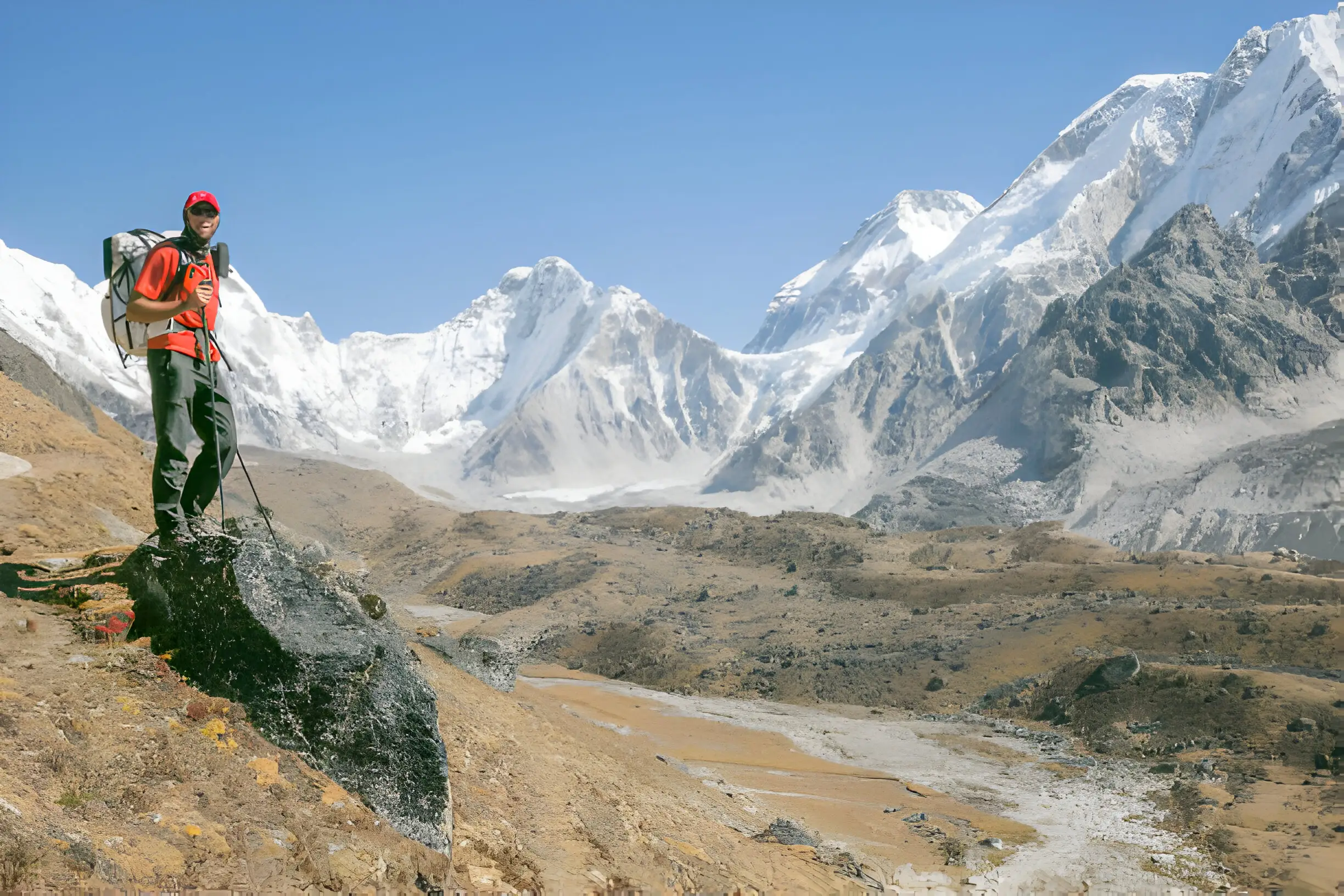
- Start Slow and Steady: Don't rush. Gradually increase your daily distances and elevation gains, allowing your body to acclimate.
- Listen to Your Body: Pay close attention to how you feel. If you experience any symptoms of altitude sickness, such as headaches, nausea, or dizziness, inform your guide and rest or descend if necessary.
- Hydrate and Fuel: Drink plenty of water and consume regular meals and snacks to maintain energy levels and avoid dehydration.
- Pack Light: Only carry essential gear. Every extra pound can make a difference at higher altitudes.
- Be Patient: Mountain weather is unpredictable, so be prepared for delays or plan changes. Flexibility is key!
- Embrace the Culture: Interact with the friendly Sherpa people, learn a few local phrases, and respect their traditions. Immerse yourself in the rich cultural tapestry of the Himalayas.
By keeping these essential tips in mind and utilizing the services of experienced guides and porters, you can set yourself up for a successful and unforgettable Everest Base Camp trek.
Everest Base Camp Trek for Beginners: Frequently Asked Questions
Q: Do I need prior hiking experience to trek to Everest Base Camp?
A: No prior hiking experience is required, but a good level of physical fitness is essential. Regular exercise like hiking, running, or cycling in the months leading up to your trek will help you prepare. Consult a doctor or trekking professional if you need more clarification about your fitness level.
Q: How difficult is the Everest Base Camp trek for beginners?
A: Due to the high altitude and length of the journey, the trek is considered moderately challenging. However, it's achievable for beginners with proper acclimatization, gradual ascent, and adequate preparation.
Q: What is the best time to trek to Everest Base Camp?
A: Spring (March-May) and autumn (September-November) are the best times to trek to Everest Base Camp due to favourable weather conditions, clear views, and moderate temperatures. These seasons offer the most stable and enjoyable trekking experience for beginners.
Q: Do I Need a Guide and Porter for Everest Base Camp Trek?
Guides: Your Knowledgeable Trailblazers
- For beginners, hiring an experienced guide is highly recommended. Their expertise can make a world of difference. They can ensure your safety, handle logistics (like permits and accommodation), and provide invaluable insights into the local culture and environment. They can also help you acclimatize safely and adjust your itinerary if needed.
Porters: Your Trusted Sherpas
- Carrying a heavy backpack at high altitudes can quickly drain your energy and enjoyment. Hiring a porter allows you to trek with a lighter load, allowing you to focus on the stunning scenery and the sheer joy of being in the mountains. Porters are the unsung heroes of the trek, carrying your gear with remarkable strength and resilience.
Q: What are the essential items to pack for the Everest Base Camp trek?
A: Pack layers of warm clothing, waterproof gear, sturdy hiking boots, a hat, gloves, sunglasses, sunscreen, a first-aid kit, a water bottle, snacks, and any personal medications you need. A comprehensive packing list provides a detailed breakdown of essential items.
Conclusion: Your Everest Adventure Starts Now!
The Everest Base Camp trek isn't just for seasoned hikers; it's an achievable dream for beginners seeking a life-changing adventure. With breathtaking landscapes, rich Sherpa culture, and the thrill of standing at the foot of the world's tallest mountain, this journey is a transformative experience. Proper preparation, a positive mindset, and respect for the mountains will ensure you conquer the trail and discover your inner strength. So, lace up your boots and embrace the challenge – your Everest adventure awaits!
Updated: 5th June 2024 07:48 PM

