Lukla: The Thrilling Gateway to Everest
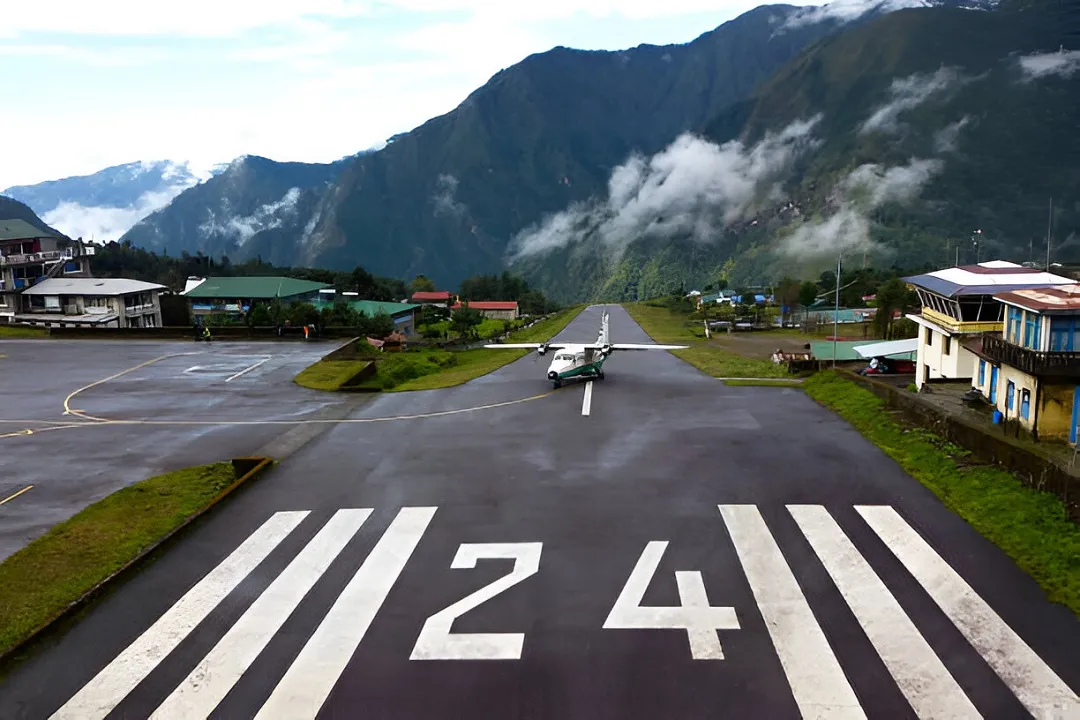
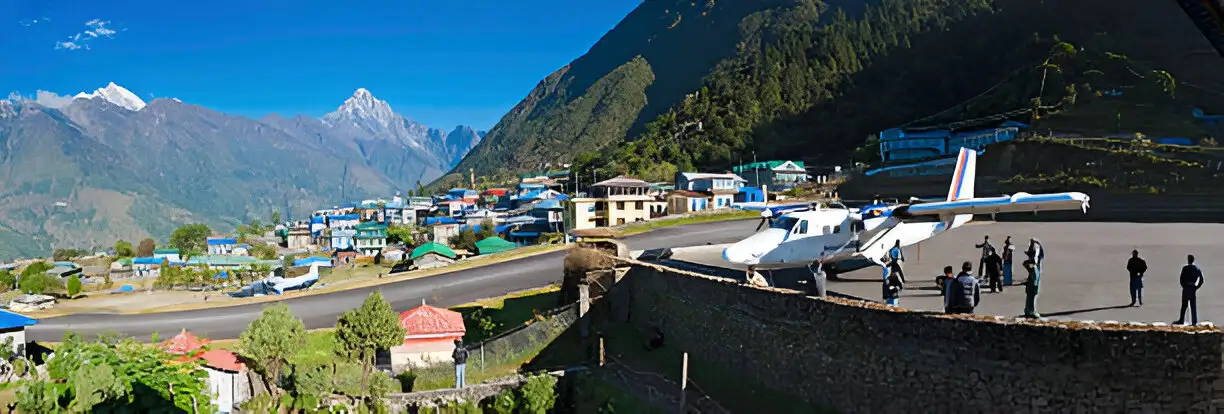
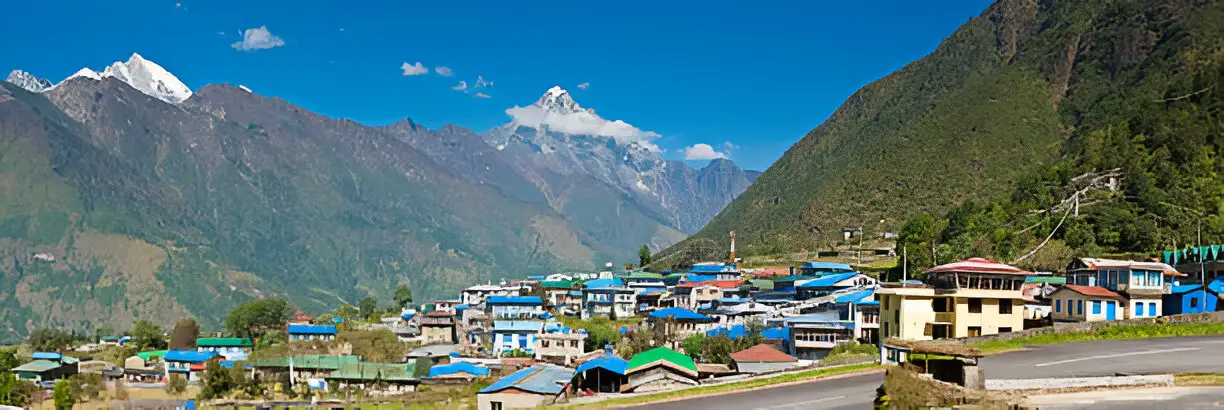
Lukla, nestled at 2,860 meters (9,383 feet) in Nepal's Solukhumbu District, is more than a stopover for Everest expeditions & Everest Base Camp Trek. This vibrant town offers a blend of Sherpa culture, modern comforts, and breathtaking mountain scenery.
Discovering Lukla Village: More Than Just an Airport
- Village Life: Wander through Lukla's charming lanes, lined with traditional stone houses adorned with colorful prayer flags. The bustling market is a hub of activity, where locals and trekkers gather to barter for trekking gear, handicrafts, and local produce.
- Cultural Immersion: Immerse yourself in the rich Sherpa culture. Witness Buddhist rituals at the ancient monastery or engage in conversations with friendly locals in cozy teahouses, where tales of mountaineering legends are shared.
- Modern Comforts: Be aware of Lukla's remote location. The town offers surprisingly modern amenities, including reliable electricity, Wi-Fi connectivity, and a variety of lodges and guesthouses providing comfortable accommodation. It's the perfect base for acclimatizing and preparing for your Everest adventure.
Trekking from Lukla to Phakding: A Himalayan Overture
The trek from Lukla to Phakding is a delightful introduction to the Everest region. This 3-4 hour journey descends through diverse landscapes, passing Sherpa villages, the roaring Dudh Koshi River (the "Milk River"), and the iconic Hillary Suspension Bridge. Lush forests, terraced fields, and glimpses of traditional Sherpa life paint a picturesque scene.
Must-See Stops Along the Way:
- Chaurikharka Village: A charming village with traditional houses and terraced fields, offering a glimpse into the local lifestyle.
- Dudh Koshi River: The glacial-fed river is a mesmerizing sight, especially when crossed via numerous suspension bridges.
- Hillary Suspension Bridge: A thrilling crossing adorned with colorful prayer flags, providing stunning views of the surrounding valleys.
Cultural Encounters and Village Visits
Along the trek, you'll encounter the heart of Sherpa culture. Villages like Phakding, Monjo, and Jorsale offer opportunities to enjoy local cuisine, visit ancient monasteries like the revered Tengboche Monastery, and even experience homestays for a deeper cultural immersion.
Key Cultural Highlights:
- Monasteries: Tengboche Monastery is a spiritual haven with breathtaking views of Everest. Visitors can witness daily rituals and interact with monks.
- Local Festivals: If you're fortunate, you might experience vibrant Sherpa festivals like Mani Rimdu, with colorful dances and rituals celebrating Buddhism.
- Craftsmanship: Local artisans create exquisite handicrafts, including prayer flags, traditional clothing, and intricate jewelry, making for unique souvenirs.
Accommodation and Cuisine
Teahouses along the trek provide basic accommodation with shared facilities, while luxury lodges offer more comfort. The local cuisine is a delightful mix of Nepali flavors and international dishes. Make sure to catch traditional Sherpa dishes like momo (dumplings) and thukpa (noodle soup), which are both delicious and energizing.
Tenzing-Hillary Airport: A White-Knuckle Thrill and a Testament to the Human Spirit
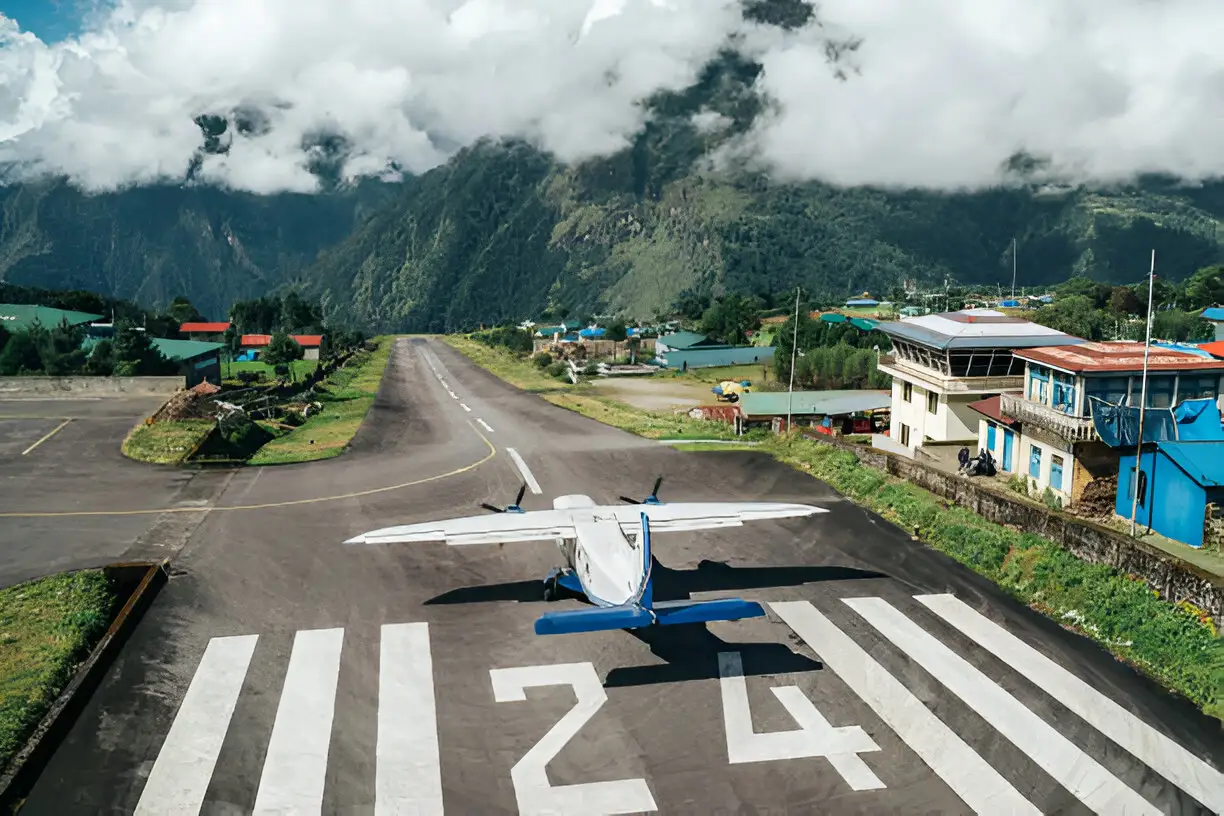
The Tenzing-Hillary Airport, named after the first Everest summiteers, is an engineering marvel and an adventure in itself. Perched at 9,337 feet, it features one of the shortest and steepest runways in the world, measuring just 527 meters long and with a dramatic 12-degree slope.
The Flight: The 30 to 40-minute flight from Kathmandu to Lukla is nothing short of exhilarating. As you approach the runway, surrounded by towering peaks, the landing feels like a controlled descent into a mountain amphitheater. The takeoff, with the plane accelerating uphill towards the cliff edge, is equally thrilling.
A History of Collaboration: Unlike many airports, Tenzing-Hillary Airport was not built by the Nepalese government. Sir Edmund Hillary, recognizing the need for easier access to the Everest region, spearheaded its construction in 1964 with the help of local Sherpas. This collaborative effort is a testament to human resilience and the power of community. It wasn't until 1971 that the airport became operational, and the runway was only paved in 2001.
Fascinating Facts and Quirks:
- Busy Skies: Up to 50 flights take off and land daily during peak season.
- No Tech, Just Skill: There is no radar or navigation system; pilots rely solely on visual cues and radio communication.
- Shared Space: Pedestrians sometimes cross the runway when not in use, adding a unique touch to the airport's character.
- Dramatic Terrain: At one end of the runway, there is a massive mountain wall, while the other end features a steep drop into the valley below.
- A Bargain for Adventure: Sir Edmund Hillary purchased the land for the airport from local Sherpas for a mere $2,650.
- Sherpa Ingenuity: The airport's construction was made possible by the involvement of the Sherpa people, renowned for their mountaineering skills.
- World's Most Dangerous? For over 20 years, "Most Extreme Airports" on The History Channel rated Lukla as the world's most dangerous airport.
- Unpredictable Weather: Weather conditions at Lukla are notoriously unpredictable, leading to frequent flight cancellations and delays.
- Safety Considerations: While the airport's reputation and unique challenges might seem daunting, safety remains a top priority. Flights operate only during daylight hours in good weather, and the pilots are highly skilled in navigating these demanding conditions.
- A Gateway to Adventure: Stepping off the plane in Lukla, you'll feel a surge of excitement. The crisp mountain air, the panoramic views, and the buzz of the town all signal the start of an unforgettable journey into the heart of the Himalayas.
Is it Risky to Fly to Lukla?
The short answer is yes; flying to Lukla carries inherent risks due to the challenging terrain, weather conditions, and short runway. However, looking at records, one can see that it is less dangerous than one might assume. The airlines operating in Lukla adhere to strict safety standards, and pilots are highly experienced in navigating these conditions. The primary concern is the unpredictable weather, which can lead to flight cancellations or delays.
Ultimately, the decision to fly to Lukla is a personal one. If you're seeking adventure and are comfortable with a bit of calculated risk, the thrill of the flight and the convenience it offers for accessing the Everest region may outweigh the potential dangers.
FAQs About Lukla and Tenzing-Hillary Airport
Q: Why is Lukla Airport considered dangerous?
A: Lukla Airport's reputation stems from a combination of factors. Its short runway (only 527 meters) and steep 12-degree slope demand precise landings and takeoffs. The high altitude (9,337 feet) results in thinner air, which affects aircraft performance. Additionally, the surrounding terrain is mountainous, leaving little room for error. The weather in the Himalayas can be unpredictable, with sudden fog and high winds frequently leading to flight cancellations.
Q: Who built Lukla Airport?
A: Sir Edmund Hillary, the first person to summit Mount Everest alongside Tenzing Norgay Sherpa, spearheaded the airport's construction in 1964. Recognizing the challenges faced by trekkers and locals due to the remote location, he collaborated with Sherpa communities to build the airstrip.
Q: How often do flights operate to Lukla?
A: During the peak trekking seasons of spring and autumn, up to 50 flights take off and land daily. However, Lukla's weather is notoriously fickle. Flights are often canceled or delayed due to fog, strong winds, or other adverse conditions. It's essential to factor in potential delays when planning your trip.
Q: What makes Lukla Airport unique?
A: Several factors set Lukla Airport apart:
- Short Runway: The 527-meter runway is incredibly short for commercial flights, demanding precision from pilots.
- No Navigation Aids: The airport lacks radar and traditional navigation systems, so it relies on pilot skill and visual cues for landings and takeoffs.
- Mountainous Terrain: The airport is nestled between mountains, leaving little margin for error.
- Shared Space: The runway doubles as a thoroughfare for pedestrians and animals when not in use, creating a unique and sometimes chaotic scene.
Q: How long is the runway at Lukla Airport?
A: The runway is a mere 527 meters (1,729 feet) long and 20 meters (65 feet) wide.
Q: What was the original name of Lukla Airport?
A: The airport was initially known as Lukla Airport. In 2008, it was renamed Tenzing-Hillary Airport to honor the first two people to summit Mount Everest: Sir Edmund Hillary and Tenzing Norgay Sherpa.
Q: What was the cost of the land where the airport was built?
A: Sir Edmund Hillary purchased the land from local Sherpas for $2,650, a testament to the community's support and collaboration in creating the airport.
Q: How did people reach Lukla before the airport was built?
A: Before the airport's construction, the only way to reach Lukla was by trekking for several days from nearby towns like Jiri. The journey was arduous and time-consuming.
Q: Why is Lukla important for trekking to Everest?
A: Lukla serves as the primary gateway to the Everest region. Most trekkers and climbers start their journey from Lukla, making it a crucial hub for tourism and adventure in the Himalayas.
Conclusion: Lukla – Your Adventure Begins Here
Lukla is far more than a mere stepping stone on the path to Everest. It's a vibrant tapestry of Sherpa culture, breathtaking landscapes, and adrenaline-pumping adventure. Whether you're drawn by the thrill of landing at the world's most unique airport, the allure of trekking through the Himalayas, or the opportunity to immerse yourself in the rich traditions of the Sherpa people, Lukla offers a truly unforgettable experience.
The town's charm, coupled with its role as the gateway to the world's highest peak, makes it a destination like no other. As you walk the streets of Lukla, breathe the crisp mountain air, and gaze at the majestic peaks that surround you, remember that you're not just visiting a place; you're embarking on a journey of a lifetime.
So, pack your bags, lace up your hiking boots, and prepare for an adventure that will challenge you, inspire you, and leave you with memories that will last a lifetime. Your Himalayan journey.
Updated: 5th June 2024 07:45 PM

