Best Time To Trek Everest Base Camp: A Complete Guide
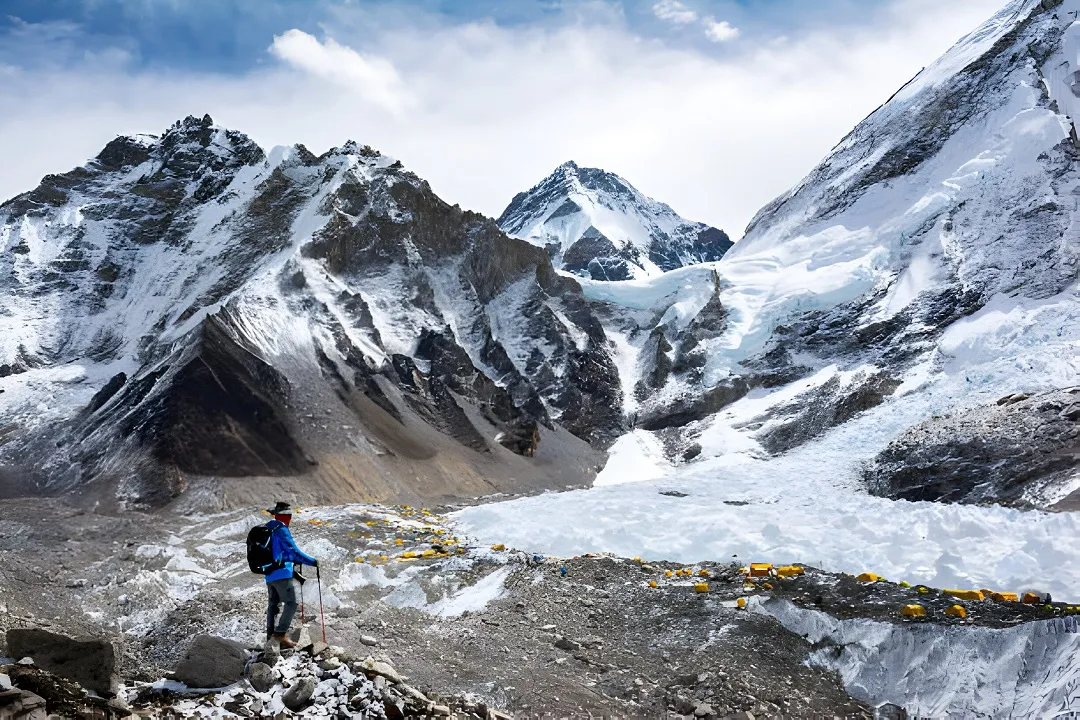
Are you dreaming of Trekking to Everest Base Camp (EBC)? Timing your trek is crucial to experiencing the Himalayas' majestic beauty and ensuring a safe, enjoyable adventure. This ultimate guide dives deep into the weather, seasons, festivals, and insider tips to help you choose the best time for your Everest Base Camp journey.
Understanding the Seasons in the Everest Region
The Everest region experiences four distinct seasons, each with its unique allure and challenges:
Spring (March-May): The Trekking Sweet Spot
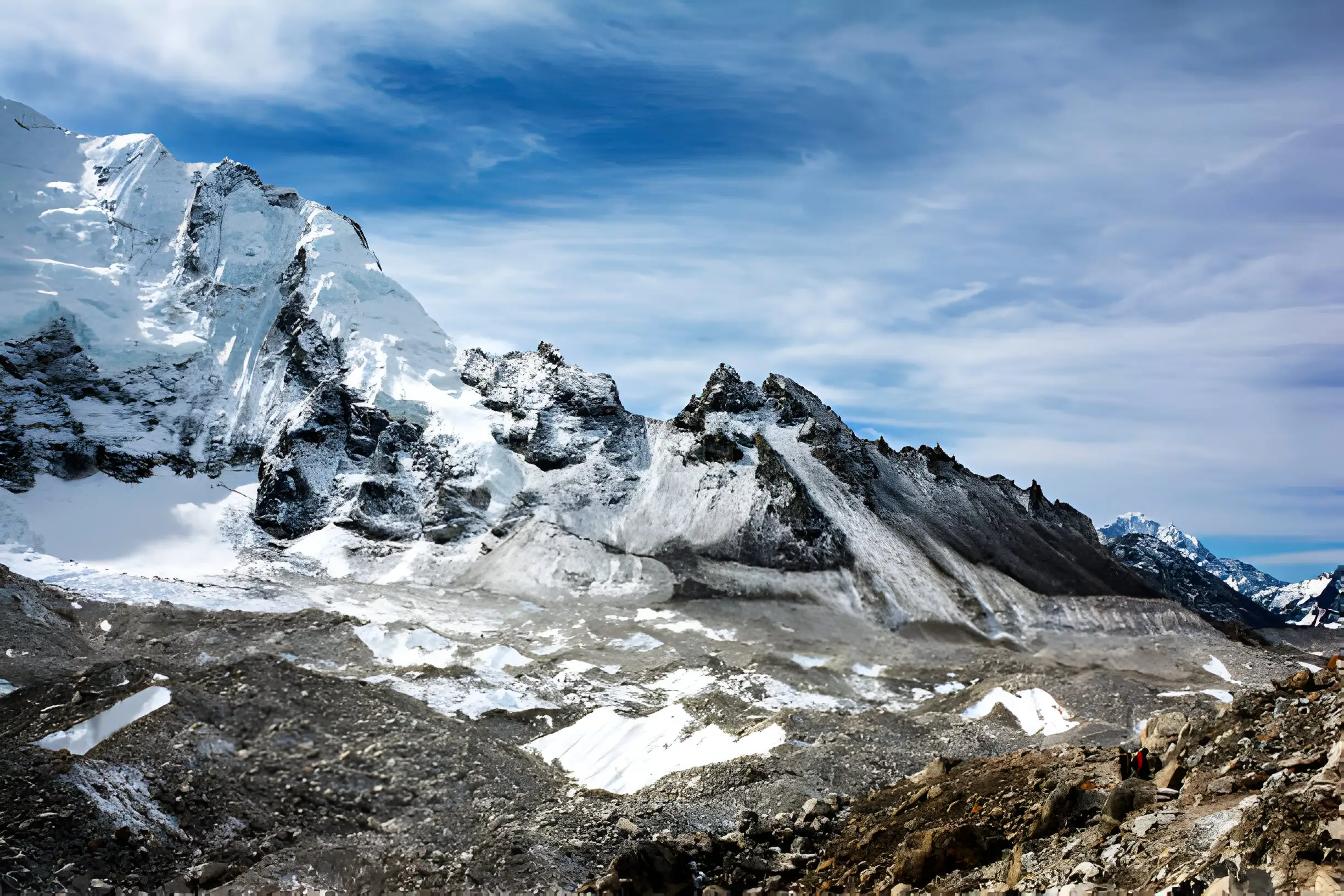
Weather:
- Rainfall: Minimal rainfall, with occasional light showers towards May as the monsoon season approaches.
- Temperatures: Daytime temperatures range from a comfortable ten °C to 20°C (50°F to 68°F) at lower elevations, gradually dropping to -5°C to 5°C (23°F to 41°F) at Base Camp. Nights are chilly, with temperatures ranging from -10°C to 0°C (14°F to 32°F) at Base Camp.
- Winds are generally mild, but be prepared for occasional gusts at higher altitudes, especially later in the season.
- Snowfall: Snowfall is unlikely, but occasional light snowstorms can occur at higher elevations, particularly towards the end of May.
Scenery: Spring transforms the Everest region into a wonderland of vibrant colours. Rhododendron forests burst into bloom, painting the trails in shades of pink, red, and purple. The clear skies offer stunning views of the snow-capped peaks.
Crowds: Spring is the peak trekking season, so expect to share the trails and tea houses with fellow adventurers. If solitude is a priority, consider trekking earlier in the season (March) or later (May).
Microclimates: Due to altitude and terrain differences, the Everest region experiences varying weather patterns. Dingboche, for instance, might be sunnier than Lobuche on the same day.
Acclimatization: The milder temperatures in Spring make acclimatization easier, but gradual ascent and rest days are still crucial.
Everest Expeditions: Spring is Everest's climbing season. Witness the buzz at Base Camp as climbers prepare for their summit attempts.
Festivals:
- Dumji Festival (March/April): This Sherpa festival begins the climbing season.
- Lhosar (February/March): Celebrated by Sherpas and other Tibetan Buddhist communities, this vibrant festival marks the Tibetan New Year.
- Buddha Jayanti (May) is a significant Buddhist festival commemorating the birth, enlightenment, and death of Gautama Buddha.
- Dumje (May/June): This festival welcomes the monsoon season and seeks to appease the rain gods.
Overall, Spring offers a perfect blend of weather, scenery, and cultural experiences, making it ideal for many trekkers to visit Everest Base Camp.
Autumn (September-November): The Golden Season
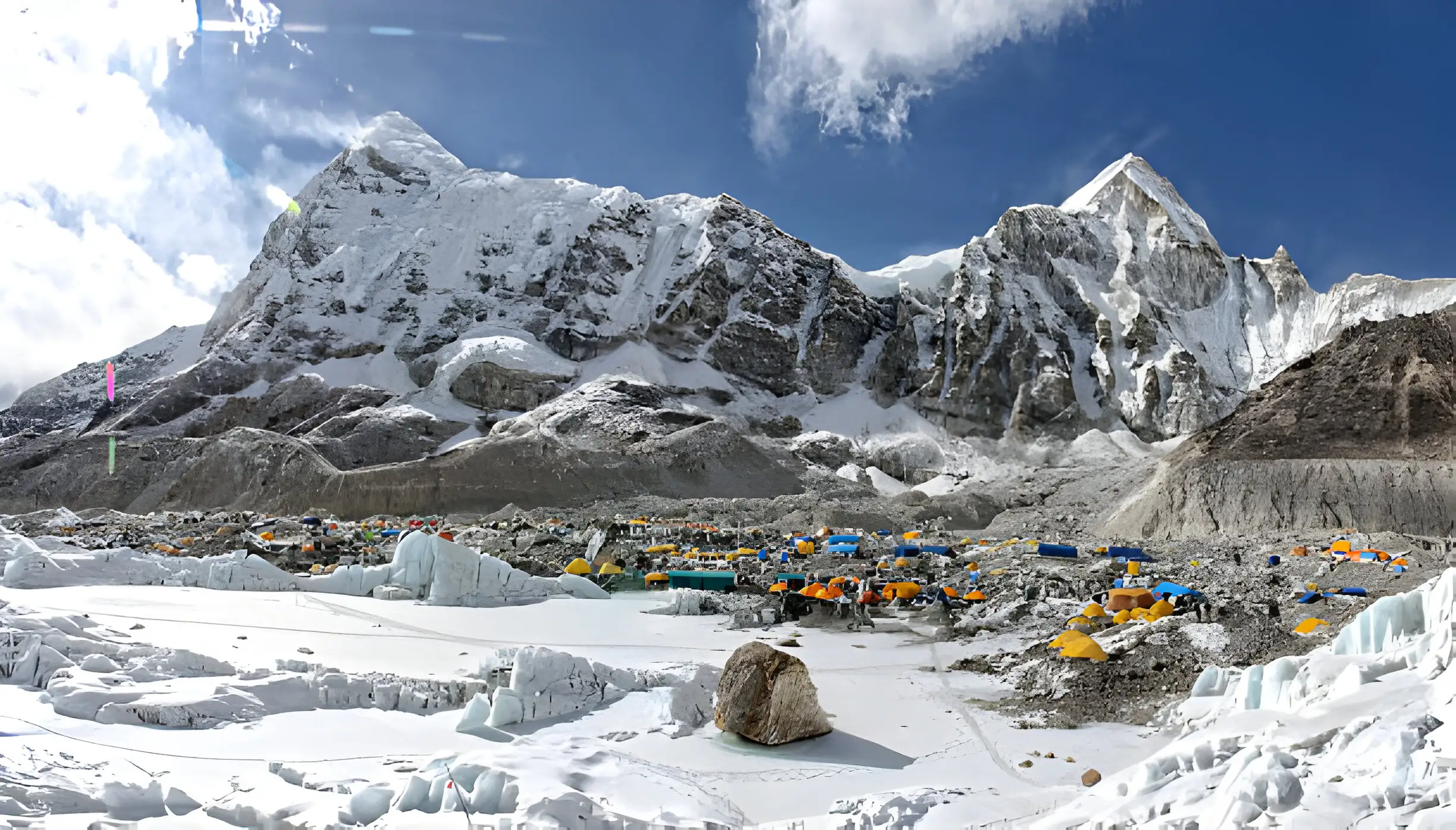
Weather:
- Rainfall: Very little rainfall, with clear skies and exceptional visibility.
- Temperatures: Daytime temperatures are comfortable, similar to Spring (10°C to 20°C / 50°F to 68°F) at lower elevations, but nights are colder, especially at higher altitudes. Expect temperatures around -5°C to 5°C (23°F to 41°F) at Base Camp and even colder nights.
- Winds: The winds are generally mild, but occasional strong winds can occur, particularly at higher elevations later in the season.
- Snowfall: Snowfall is unlikely in early Autumn, but it becomes more frequent towards November, especially at higher altitudes.
Scenery: The landscape glows with warm, golden hues as the air becomes crisp and clean. Enjoy breathtaking panoramas of the mountains with exceptional visibility.
Crowds: Although popular, Autumn tends to be slightly less crowded than Spring. If you prefer less crowded trails, consider trekking in early September or late November.
Microclimates: As in Spring, microclimates can influence weather variations, with sunnier spots in areas like Namche Bazaar and Tengboche.
Acclimatization: Similar to Spring, the pleasant weather aids acclimatization, but don't rush the ascent.
Everest Window: Autumn, like Spring, can offer periods of calmer winds and clear skies ideal for summiting. This is known as the "Everest Window."
Festivals:
- Mani Rimdu (October/November): During this important Sherpa festival, witness colourful masked dances, prayers, and rituals at Tengboche Monastery.
- Tihar (October/November): Celebrate the "Festival of Lights" with vibrant decorations, offerings, and festivities honouring various deities.
- Everest Marathon (November): Cheer on runners in this unique high-altitude marathon from Base Camp to Namche Bazaar.
- Lhabab Duchen (October/November): A Buddhist festival celebrating Buddha's descent from heaven.
- Dashain (September/October): Nepal's biggest festival, Dashain, is a joyous time of family gatherings and celebrations throughout the region.
Overall, Autumn offers a compelling alternative to Spring. It provides similar weather benefits and the bonus of vibrant festivals. The clear skies and stunning fall foliage make it a photographer's paradise.
Winter (December-February): The Off-Season Challenge
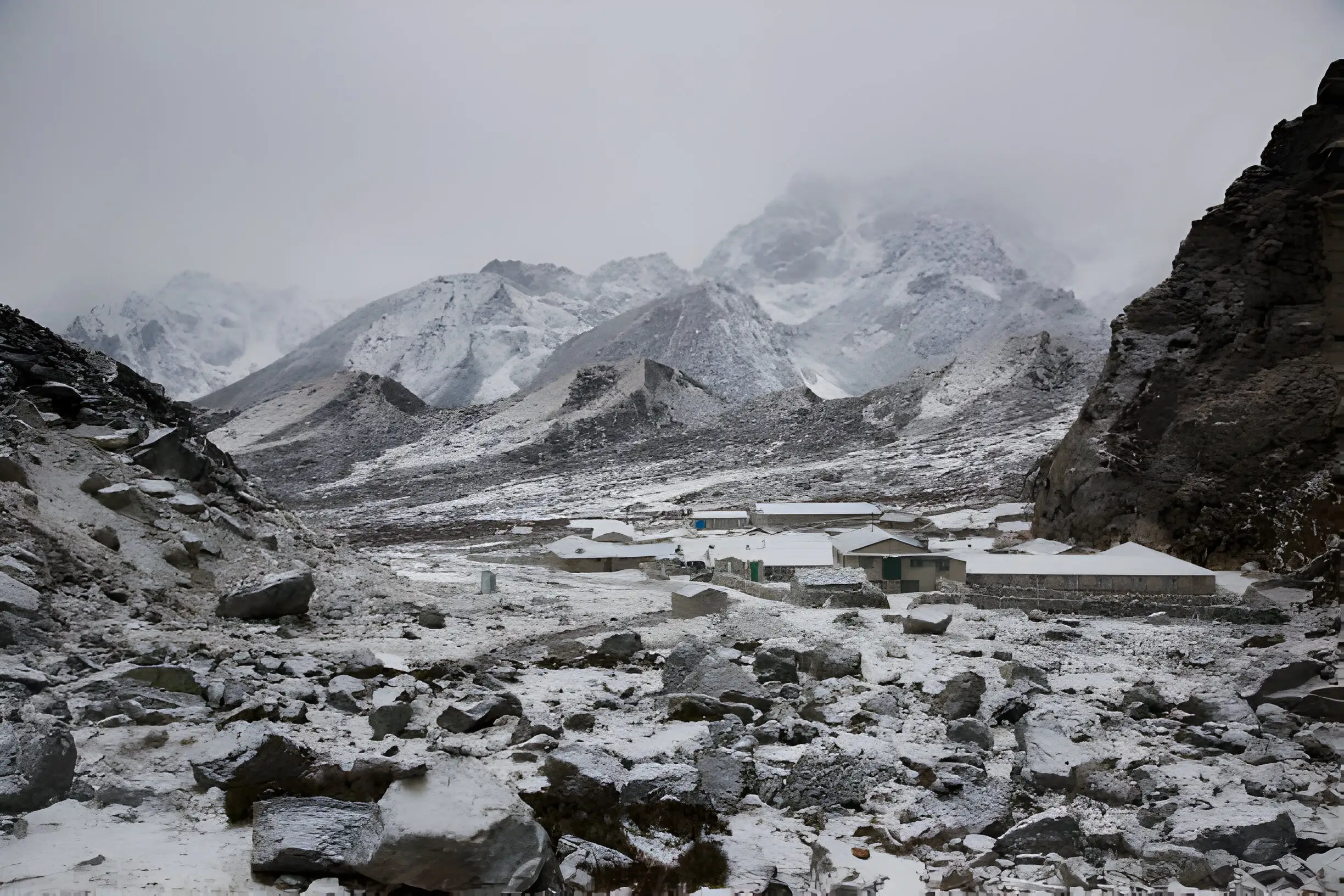
Weather:
- Rainfall: Virtually no rainfall. The Everest region experiences a dry winter season.
- Temperatures: Winter is the coldest season, with temperatures ranging from -5°C to 5°C (23°F to 41°F) at lower elevations and plummeting to -15°C to -20°C (-5°F to -4°F) during the day at Base Camp, with even colder temperatures at night.
- Winds: Strong and harsh winds can significantly impact the perceived temperature, making it feel even colder.
- Snowfall: Frequent and heavy snowfall, especially at higher altitudes. Expect snow-covered trails and limited visibility.
Scenery: Winter transforms the landscape into a pristine white wonderland with a stark and dramatic beauty. However, heavy snow can obscure views.
Crowds: Very few trekkers venture out during winter, offering solitude and tranquillity on the trails.
Challenges: Winter trekking demands experience, technical skills, and specialized gear like mountaineering boots, down jackets, and thermal layers. Avalanche risk is higher, so extra caution is necessary.
Microclimates: In winter, microclimates can be even more pronounced. Some areas might be more sheltered from the wind and receive more sunlight, making them feel slightly warmer. However, higher elevations will always be significantly colder.
Acclimatization: Acclimatization is crucial in winter due to the extreme cold and low oxygen levels. Ascend slowly and allow for ample rest days.
Winter Festivals:
- Losar (February): The Tibetan New Year is celebrated with smaller festivities in Sherpa communities.
- Gyalpo Lhosar (December/January): Another New Year celebration observed by the Sherpa people.
Overall: Winter trekking is not for the faint of heart. It's a challenging but rewarding experience for those seeking adventure and solitude in the snowy wilderness.
Monsoon (June-August): A Season for Lower-Altitude Adventures
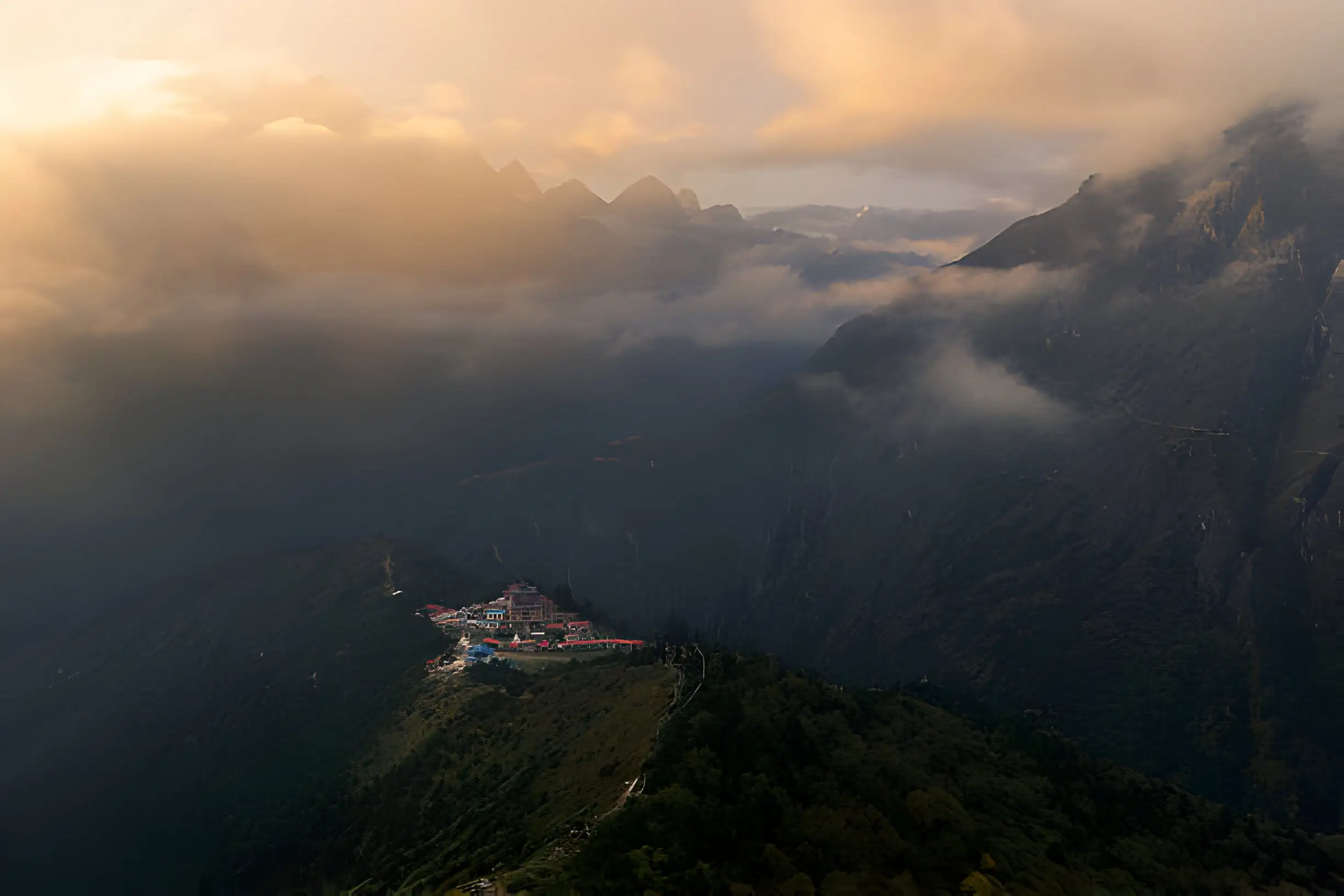
Weather:
- Rainfall: Heavy and persistent rainfall with high humidity. Expect daily downpours that can last for hours.
- Temperatures: Relatively mild at lower elevations (5°C to 15°C / 41°F to 59°F), but colder at higher altitudes.
- Winds: Winds can be variable, but heavy rain often brings strong gusts.
- Snowfall: Uncommon at Base Camp, but possible at higher altitudes.
Challenges: The monsoon season presents significant challenges for trekking at higher altitudes. Trails become muddy, slippery, and prone to landslides. Sponges are also common during this time.
Microclimates: During the monsoon, localized rain showers are common. Depending on the terrain and wind patterns, some areas experience more intense rainfall than others.
Acclimatization: Acclimatization is still important during the monsoon season, but heavy rain and humidity can make it more challenging. If you trek during this season, be cautious and allow more rest days.
Alternative Treks: If you're set on visiting the Everest region during the monsoon, consider treks in the lower valleys less affected by the heavy rain and offer stunning views nonetheless. The Pikey Peak Trek is an excellent option, showcasing lush landscapes, picturesque villages, and panoramic views of the Himalayan range, including Mount Everest on clear days.
Monsoon Festival:
- Dumje (June/July): This festival marks the arrival of the monsoon season. Sherpa communities offer prayers and rituals to appease the rain gods, ensuring a good harvest and protection from natural disasters like floods and landslides.
Overall: The monsoon season is not recommended for the EBC trek, but lower-altitude options provide an alternative way to experience the region's beauty and culture.
Choosing Your Ideal Trekking Time
The best time for your Everest Base Camp trek is a personal decision based on your preferences, experience level, and desired experience.
- Best for Most Trekkers: Spring (March-May) and Autumn (September-November)
- Best for Solitude and Experienced Trekkers: Winter (December-February) or shoulder seasons (February and December)
- Avoid: Monsoon (June-August)
Remember, thorough preparation is key regardless of when you go. Research weather patterns, pack appropriate gear, acclimatize gradually, and respect the local culture and environment to maximize your Everest Base Camp adventure.
Insider Tips for Choosing Your Ideal EBC Trek Time
Planning your Everest Base Camp trek? Here's the inside scoop to ensure you pick the perfect time for an unforgettable Himalayan adventure:
Embrace the Shoulder Seasons:
While Spring and Autumn are popular, consider venturing during the shoulder seasons of February and December. These months offer a unique blend of advantages:
- Fewer Crowds: Experience a quieter trek with less trail traffic and more availability at teahouses.
- Stunning Scenery: February boasts pre-monsoon clarity with lingering snow, while December showcases post-monsoon crispness with potential early snowfall.
- Cost-Effective: Enjoy potentially lower prices for flights and accommodation compared to peak seasons.
Festival Timing for Cultural Immersion:
- Spring: To witness the Sherpa community's pre-Everest expedition rituals, time your trek to coincide with the Dumji Festival in March or April.
- Autumn: Immerse yourself in the vibrant festivities of Mani Rimdu at Tengboche Monastery in October or November: witness masked dances, prayers, and a unique glimpse into Sherpa culture.
Microclimate Awareness is Key:
- Sun vs. Shade: Weather can vary significantly, even within the same season. Areas exposed to direct sunlight, like Namche Bazaar or Dingboche, can be considerably warmer than shaded valleys.
- Altitude Matters: As you ascend, temperatures drop. Even in Spring and Autumn, be prepared for sub-zero temperatures at night, especially at higher altitudes like Base Camp.
- Pack Layers: Layering is crucial to adapt to changing conditions throughout the day.
Prioritize Acclimatization and Altitude Safety:
- Gradual Ascent: No matter the season, ascending slowly is key to avoiding altitude sickness. Allow for acclimatization days in Namche Bazaar, Dingboche, or Pheriche.
- Hydration and Nutrition: Drink plenty of water and eat regular, nutritious meals to keep your body well-fueled and help it adjust to the altitude.
- Know the Signs: Be aware of the symptoms of altitude sickness and descend to a lower altitude if necessary.
- Consult a Doctor: If you have concerns, consider talking to your doctor about altitude sickness medication before your trek.
Off-Season Trekking for the Adventurous:
- Winter Challenges: If you're an experienced trekker seeking solitude and dramatic winter scenery, the EBC trek is possible in December and February. However, it requires extensive preparation and the right gear.
- Monsoon Alternatives: While not ideal for the EBC trek, the monsoon offers opportunities for lower-altitude treks with lush greenery. Consider the Pikey Peak Trek for stunning views without the high-altitude risks.
- Bonus Tip: For up-to-date weather information, check reliable sources like Mountain Forecast or consult your trekking agency or guide for the latest conditions in the Everest region.
By keeping these insider tips in mind, you'll be well-equipped to choose the best time for your Everest Base Camp trek, tailor the experience to your individual preferences, and ensure a safe and memorable adventure.
FAQs: Your Guide to the Best Time for Everest Base Camp Trek
Q: What is the best time to trek to Everest Base Camp?
A: The best time to trek to Everest Base Camp depends on your preferences. However, most trekkers find Spring (March-May) and Autumn (September-November) ideal. These seasons offer stable weather, clear skies, and moderate temperatures, making for the most comfortable and enjoyable trekking experience.
Q: Can I trek to Everest Base Camp in winter?
A: While technically possible, winter (December- February) is the off-season for EBC treks due to the extreme cold, heavy snowfall, and shorter days. This season is best suited for highly experienced trekkers with specialized gear and knowledge of winter mountaineering.
Q: What about the monsoon season – is trekking possible then?
A: The monsoon season (June-August) is generally discouraged when trekking to Everest Base Camp. Heavy rainfall, slippery trails, landslides, and leeches create hazardous conditions. If you're set on visiting the region during this time, consider lower-altitude treks less affected by the rains.
Q: How can I choose the best time for my Everest Base Camp trek?
A: The ideal trek time depends on your preferences, fitness level, budget, and experience. To make the best decision, consider weather preferences, tolerance for crowds, desired scenery, and physical preparedness.
Q: How does the weather impact acclimatization during my trek?
A: Acclimatization, adjusting to high altitude, is easier in milder weather conditions. Spring and Autumn generally offer the most favourable conditions, while the extreme cold in winter can make it more challenging. Regardless of the season, it's crucial to ascend gradually and allow ample time for your body to adapt.
Q: Can I experience any festivals during my Everest Base Camp trek?
A: Absolutely! The Everest region boasts a rich cultural calendar with festivals throughout the year. Depending on your chosen trekking time, you might witness vibrant celebrations like Dumji, Lhosar, Buddha Jayanti, and Dumje in Spring, Mani Rimdu, Tihar, Everest Marathon, Lhabab Duchen, and Dashain in Autumn, or Losar and Gyalpo Lhosar in winter.
Q: How can I get up-to-date weather information for Everest Base Camp?
A: Before embarking on your trek, consult reliable weather sources like Mountain Forecast for accurate and current conditions. Your trekking agency or local guide in Nepal can also provide the latest weather updates.
Choosing the Best Time to Trek to Everest Base Camp: Your Journey Awaits
By understanding the unique characteristics of each season, you can tailor your Everest Base Camp adventure to your preferences and experience level.
Remember, thorough preparation is key. Research weather patterns, pack appropriate gear, acclimatize gradually, and respect the local culture and environment.
Whether you're drawn to the bustling energy of peak season or crave the tranquillity of the off-season, the Everest Base Camp trek promises an unforgettable journey. With careful planning and consideration for the best time to trek, you'll be well on your way to creating memories that will last a lifetime.
So, when will you embark on your own Everest Base Camp adventure? The mountains are calling!
Detail Blog of Each Month's Trek to Everest Base Camp:
Everest Base Camp Trek in March
Everest Base Camp Trek in April
Updated: 5th June 2024 07:51 PM

