Everest Base Camp Trek in April: A Comprehensive Guide to Your Spring
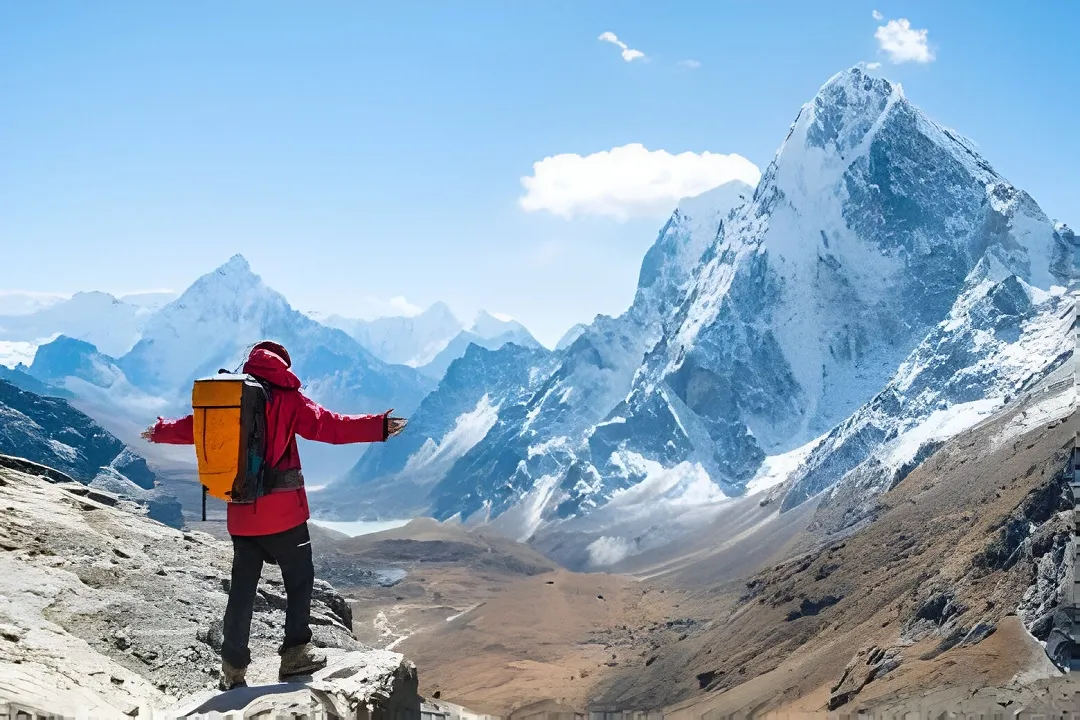
Imagine trekking through vibrant rhododendron forests, with clear blue skies revealing the awe-inspiring peaks of the Himalayas. This is the magic of Everest Base Camp (EBC) in April when nature awakens in full bloom. With comfortable temperatures, fewer crowds than peak season, and the chance to celebrate Nepali New Year, April offers a unique and unforgettable trekking experience. This comprehensive guide will cover everything you need to know to plan your spring EBC trek.
Main Attractions of the Everest Base Camp Trek in April
- Rhododendron Bloom: April is synonymous with the vibrant explosion of rhododendrons, Nepal's national flower. These colourful blooms transform the trails into a magical wonderland, creating a stunning backdrop for your trek.
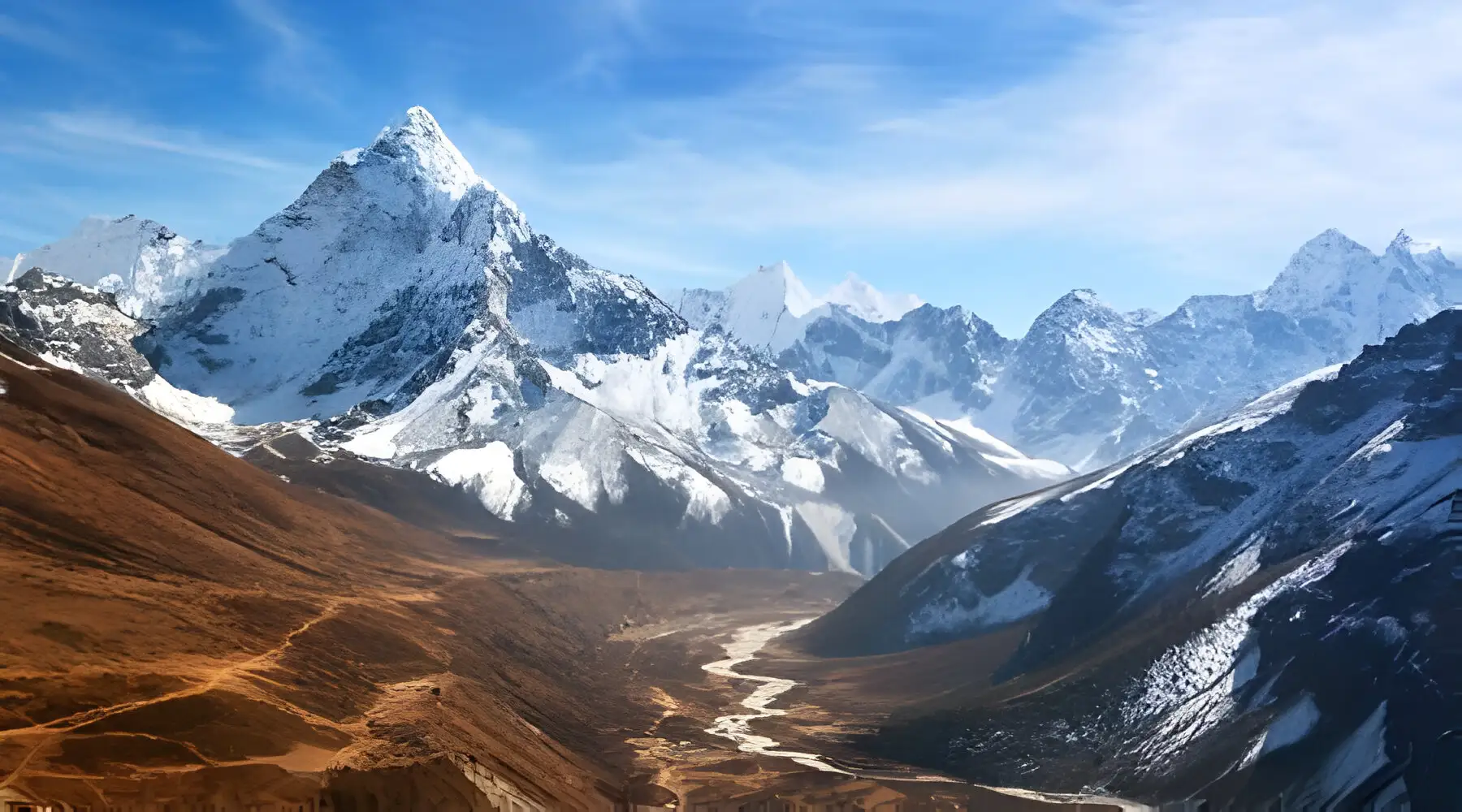
- Clear Skies and Panoramic Views: April often brings stable weather patterns, with clear skies offering unobstructed views of the majestic Himalayan peaks, including Everest, Lhotse, Nuptse, and Ama Dablam.
- Nepali New Year Celebrations: Immerse yourself in the rich cultural traditions of the Sherpa people as they celebrate the Nepali New Year. Witness vibrant processions and traditional dances and experience the warmth of their hospitality.
- Serene Monasteries: Explore ancient monasteries like Tengboche, the spiritual heart of the Khumbu region. These monasteries are adorned with colourful prayer flags and offer a tranquil atmosphere for reflection.
- Unique Sherpa Villages: Discover charming Sherpa villages nestled amidst the mountains. Interact with the friendly locals, savour traditional cuisine, and learn about their unique way of life.
- Namche Bazaar: A bustling trekking hub, Namche Bazaar offers many amenities, including tea houses, shops, and breathtaking views of the surrounding peaks.
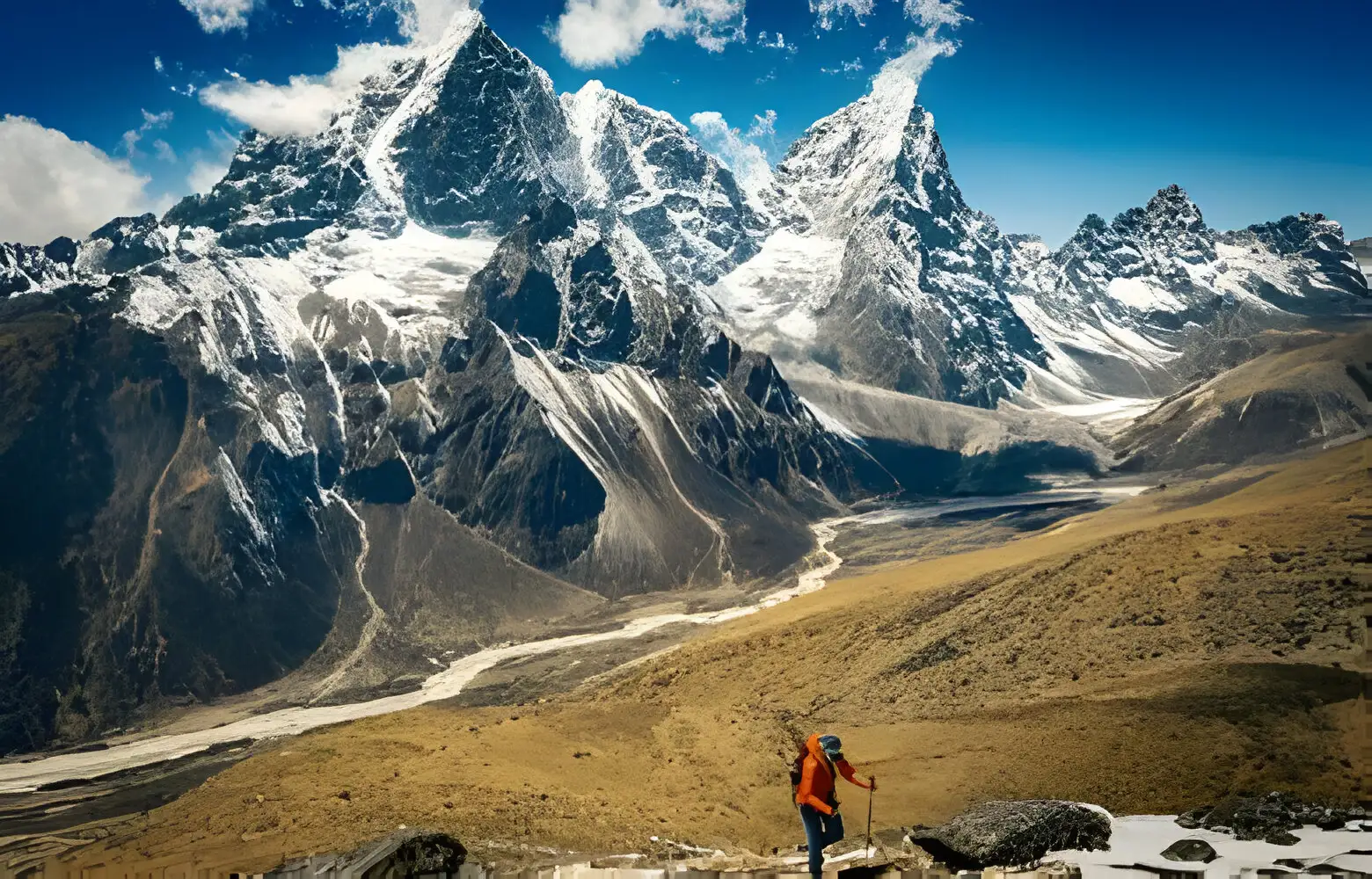
April Weather and Temperature in the Everest Region
April is an ideal time to trek to Everest Base Camp due to its favourable weather conditions:
- Daytime Temperatures: Expect comfortable daytime temperatures ranging from 5-15°C (40-60°F) at lower elevations, gradually decreasing as you ascend.
- Nighttime Temperatures: Nights can be chilly, often dipping below freezing at higher altitudes. A warm sleeping bag and layered clothing are essential.
Be prepared for sudden weather changes, including rain or snow flurries at higher altitudes. Pack versatile clothing layers and rain gear.
Food & Accommodation
- Teahouses: Throughout the trek, you'll stay in cosy teahouses, which offer basic accommodation, warm meals, and a chance to connect with fellow trekkers.
- Meals: Enjoy traditional Nepali cuisines like dal Bhat (lentil soup with rice), momos (dumplings), thukpa (noodle soup), and a variety of other dishes. Pack snacks for extra energy.
How to Prepare for Everest Base Camp Trek in April
- Physical Training: Engage in regular cardio and strength training exercises to prepare for the trek's physical demands. Include hikes with a weighted backpack to simulate the conditions.
- Mental Preparation: Prepare yourself mentally for high altitude and unpredictable weather challenges.
- Research: Learn about the route, acclimatization guidelines, and cultural etiquette to maximize your experience.
What Essentials to Pack for Everest Base Camp Trek in April?
- Clothing: Thermal base layers, fleece jackets, insulated jackets, waterproof shell jackets and pants, trekking pants, gloves, a warm hat, and hiking socks.
- Footwear: Sturdy, broken-in hiking boots and comfortable camp shoes.
- Trekking Gear: Backpack, poles, sleeping bag, headlamp, water bottles or hydration bladder.
- Other Essentials: First-aid kit, altitude sickness medication (consult your doctor), toiletries, sunscreen, sunglasses, camera, power bank, and any personal medications. For Detail Packing List and Gear Guide
Tips for Everest Base Camp Trek in April
- Start Early: Begin your trekking days early to avoid afternoon clouds and enjoy clear views.
- Stay Hydrated: Drink plenty of water daily to prevent dehydration at high altitudes.
- Acclimatize Properly: Take rest days as planned and listen to your body to avoid altitude sickness.
- Respect Local Culture: Learn about Sherpa traditions and customs to show respect and enrich your experience.
- Pack Layers: Pack for varying temperatures by packing clothes you can layer.
- Hire a Guide and Porter: A knowledgeable guide can navigate the trail, provide insights, and ensure safety. A porter can carry your heavier gear, making your trek more enjoyable.
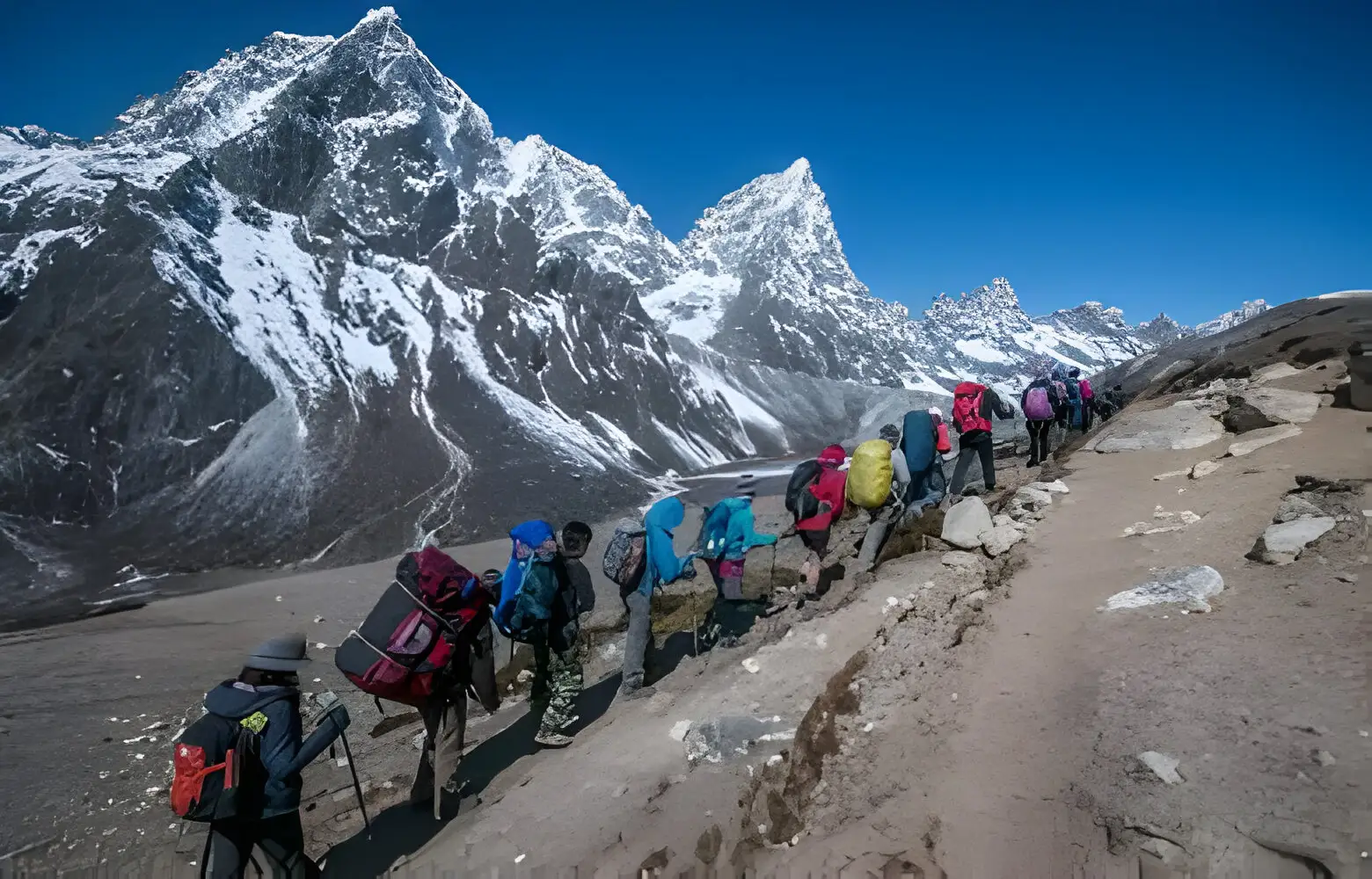
Everest Base Camp Trek Itinerary in April (14 Days)
Day 1: Arrival in Kathmandu, preparation, and briefing
Day 2: Fly to Lukla (2860m), trek to Phakding (2610m)
Day 3: Trek from Phakding to Namche Bazaar (3440m)
Day 4: Acclimatization day in Namche Bazaar with optional hikes
Day 5: Trek to Tengboche (3867m), home to a renowned monastery
Day 6: Trek to Dingboche (4410m)
Day 7: Acclimatization day in Dingboche, exploring nearby peaks
Day 8: Trek to Lobuche (4940m)
Day 9: Trek to Gorakshep (5164m), visit Everest Base Camp
Day 10: Hike to Kala Patthar (5545m) for sunrise views of Everest
Day 11: Descend to Pheriche (4240m)
Day 12: Descend to Namche Bazaar
Day 13: Trek to Lukla
Day 14: Fly back to Kathmandu
Alternative Trekking Routes to Everest Base Camp in April
- Gokyo Lakes Trek (12-14 days): Explore the stunning turquoise lakes and climb Gokyo Ri for panoramic views. This trek is more challenging than the classic EBC trek due to the higher altitude of Gokyo Ri.
- Three Passes Trek (17-21 days): This strenuous trek crosses three high passes (Renjo La, Cho La, and Kongma La) and offers unparalleled views of the Everest region. It is significantly more challenging than the classic EBC trek.
Responsible Trekking in the Everest Region
Preserve the pristine beauty of the Himalayas by practicing responsible trekking:
Leave No Trace: Pack out all trash, avoid disturbing wildlife, and stay on designated trails.
Respect Local Culture:
- Dress modestly.
- Ask permission before taking photos.
- Learn a few Nepali phrases to connect with the locals.
Support Local Economy:
- Stay in local teahouses.
- Eat at local restaurants.
- Purchase souvenirs from local vendors to contribute to the community.
Everest Base Camp Trek Cost Breakdown
For a detailed breakdown of the costs associated with the EBC trek in April, please refer to our comprehensive guide: EBC trek Cost
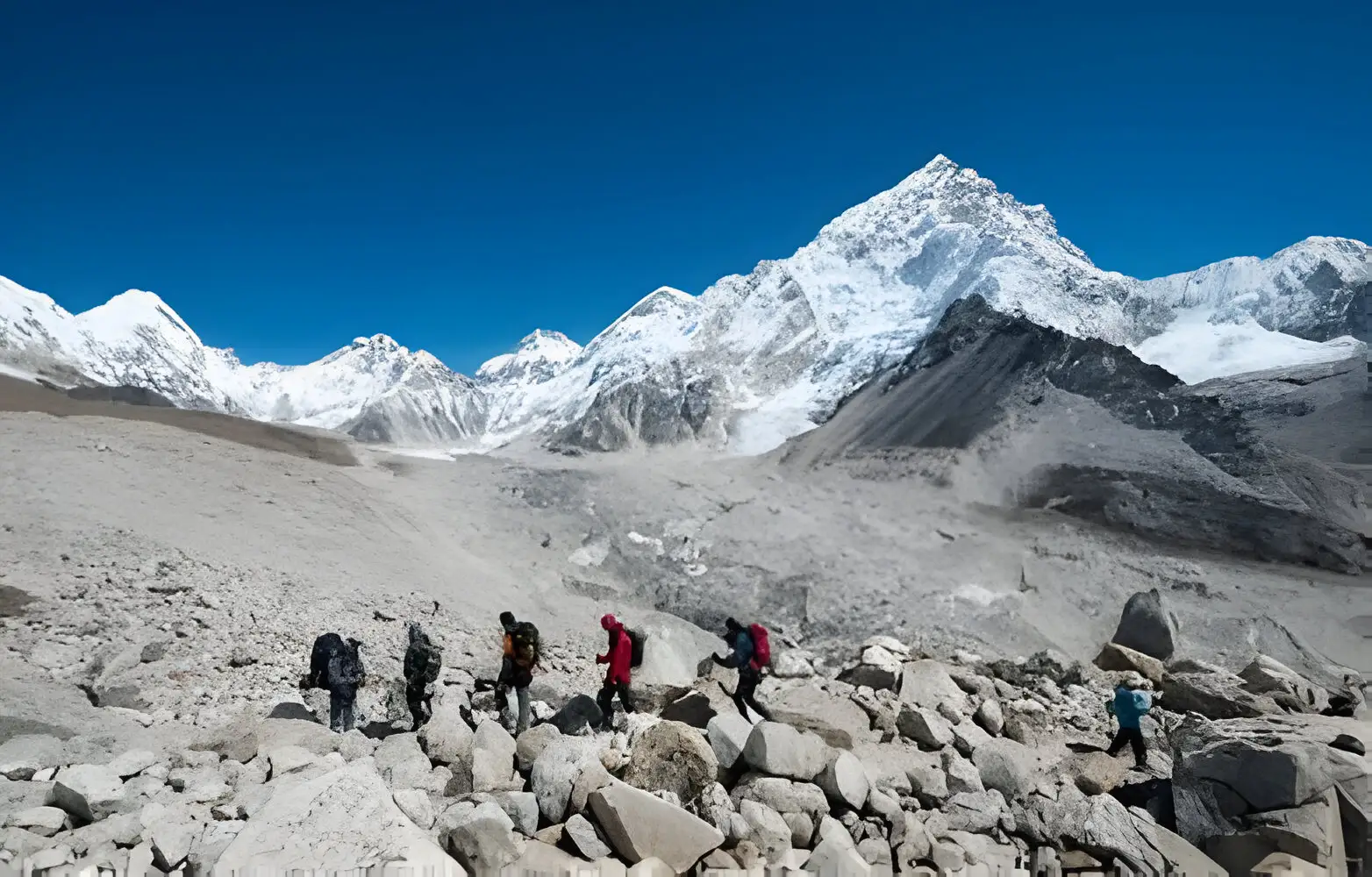
Photography Tips for Capturing the Beauty of Everest in April
April offers incredible photographic opportunities in the Everest region, with clear skies, vibrant rhododendrons, and the majestic Himalayan peaks as your backdrop. Here are some tips to help you capture the essence of your EBC trek:
- Capture the Golden Hour: The hour after sunrise and before sunset is known as the "golden hour." This is when the light is soft and warm, creating a magical glow on the mountains. Set your alarm early or stay out late to take advantage of this stunning light.
- Use a Polarizing Filter: A polarizing filter reduces glare from snow and ice and enhances the blue tones in the sky. This can make a big difference in the overall quality of your photos.
- Experiment with Composition: Onn take photos of the mountains. Look for exciting foreground elements like prayer flags, yak caravans, or colourful rhododendrons to add depth and interest to your compositions.
- Remember the Details: The Everest region has small details that are just as beautiful as the grand vistas. Take time to capture the intricate carvings of monasteries, the texture of prayer wheels, and the faces of the Sherpa people.
- Lay with Different Perspectives: Be bold and get low to the ground or climb high to get a different perspective on the scenery. This can help you create unique and exciting photos that stand out.
- Capture the Weather: The weather in the Himalayas can change quickly, and each condition offers its unique beauty. Don't be afraid to shoot in the rain, snow, or fog.
- ACK Extra Batteries and Memory Cards: There are limited charging opportunities on the trek, so it's important to bring plenty of extra power and ample memory cards to store all the amazing photos you'll be taking.
- Learn About Local Customs: Always ask permission before photographing people or religious sites. This shows respect for the local culture and can lead to meaningful interactions.
- Practice Patience: The best photos often come from taking your time and waiting for the perfect light or moment.
- Enjoy the Experience: Don't get so caught up in taking photos that you forget to enjoy the incredible experience of trekking in the Everest region.
By following these tips, you'll be well on your way to capturing stunning photos that will last a lifetime. Remember, photography is about more than just technical skills; it's about capturing the essence of a place and time. Let your creativity flow, and have fun exploring the visual delights of the Everest Base Camp trek in April!
Everest Base Camp Trek in April FAQs
Q: Is April a good time to trek to Everest Base Camp?
A: April is considered one of the best months for the EBC trek. It offers stable weather, clear skies, blooming rhododendrons, and fewer crowds than the peak seasons.
Q: What are the typical temperatures I can expect in April?
A: Daytime temperatures are pleasant, ranging from 5-15°C (40-60°F) at lower elevations. However, temperatures can drop significantly at higher altitudes, especially at night, sometimes below freezing.
Q: How do the rhododendrons in April enhance the trek experience?
A: April is the peak blooming season for rhododendrons, Nepal's national flower. These vibrant red, pink, and white blossoms create a spectacular natural display along the trails, adding a magical touch to your trek.
Q: Are the trails crowded in April?
A: While April is part of the peak season, it's generally less crowded than the peak months of March/May and September/October. You can expect a moderate number of trekkers, especially in the latter half of April.
Q: What are the specific weather challenges I might face in April?
A: Although April is generally dry, occasional rain showers are possible, particularly at lower elevations. You might also encounter snow flurries at higher altitudes. Packaging for varying weather conditions, including rain gear and warm layers, is essential.
Q: Are there any cultural events or festivals I can experience in April?
A: Yes, April is a festive time in Nepal. You might have the opportunity to witness celebrations for the Nepali New Year, which usually falls in mid-April. This is a great chance to immerse yourself in local traditions and experience the warmth of Sherpa culture.
Q: Do the tea houses have heating during April?
A: Most tea houses have communal dining areas with a wood-burning stove or heater, providing evening warmth. However, rooms are typically not heated, so a warm sleeping bag is essential.
Q: How do I prepare for the changing weather conditions in April?
A: Pack layers of clothing to adjust to varying temperatures throughout the day. Bring a waterproof jacket, pants, warm hat, and gloves for colder evenings and higher altitudes.
Q: Is it possible to experience snow in April on the Everest Base Camp trek?
A: Snow can fall at higher altitudes in April, especially in the early part of the month or during unexpected weather changes. Pack accordingly with warm layers and waterproof gear.
Conclusion
The Everest Base Camp trek in April is an adventure that will leave an indelible mark on your heart and soul. With its stunning landscapes, rich cultural experiences, and the sheer thrill of being in the presence of the world's tallest mountain, it's an experience you will remember. So pack your bags, lace up your boots, and prepare to embark on a lifetime journey!
Ready to experience the magic of Everest Base Camp in April? Contact us today to start planning your adventure of a lifetime! We offer personalized itineraries, experienced guides, and all the support you need to make your EBC trek a dream come true. Let us help you create memories that will last forever.
Updated: 5th June 2024 07:49 PM

