Everest Base Camp Trek Difficulty: Your Essential Guide to Preparation
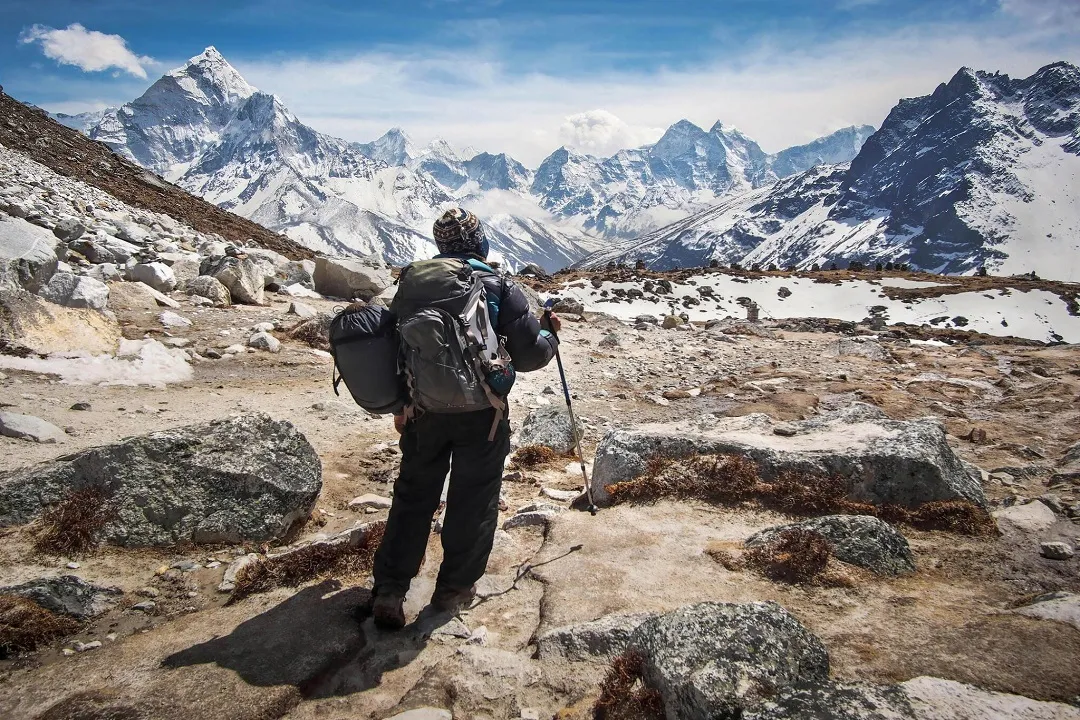
The allure of Everest Base Camp is undeniable. To stand where legendary mountaineers have stood, surrounded by the giants of the Himalayas, is an adventure of a lifetime. But the journey is not without challenges. This guide unlocks the keys to conquering the Everest Base Camp trek, from navigating altitude to building physical fitness and developing the mental fortitude needed for this unforgettable experience.
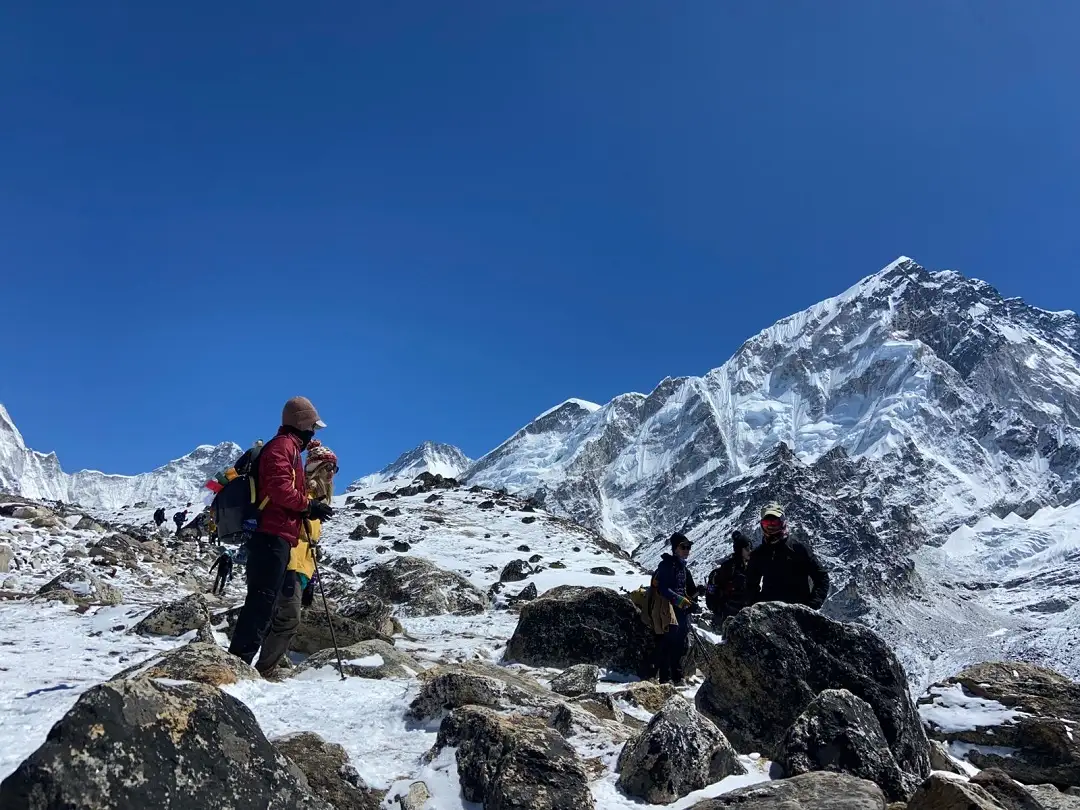
Altitude: The Key Challenge & How to Conquer It
Reaching Everest Base Camp means venturing into thin air. Understanding the potential effects of high altitude is critical in ensuring a safe and enjoyable trek.
Understanding Altitude Sickness
The reduced oxygen levels at high elevations can cause Acute Mountain Sickness (AMS). While mild symptoms are common, severe AMS can be life-threatening. Here's what you need to know:
Symptoms to Watch For:
- Common: Headache, nausea, fatigue, dizziness, difficulty sleeping
- Less Common (but essential): Loss of coordination, confusion, shortness of breath at rest, cough with frothy fluid (a sign of fluid in the lungs)
Who's At Risk?: AMS can affect anyone, but factors that increase your risk include:
- Age (both younger and older trekkers may be more susceptible)
- Pre-existing health conditions (especially respiratory or heart issues)
- How quickly you ascend to higher altitudes
Acclimatization is King
Proper acclimatization is your best defence against severe AMS. The fundamental principles are:
- "Walk High, Sleep Low": Hiking to higher altitudes during the day and returning to a lower elevation for sleep allows your body to gradually adjust.
- Rest Days are Crucial: Schedule these into your itinerary. Engage in light activities or explore nearby villages, but let your body actively adjust to the altitude.
- The Diamox Debate: This medication can speed up acclimatization. However, it should NOT replace gradual ascent and rest days. Discuss using Diamox with your doctor.
Emergency Preparedness
- Know the Severe Symptoms: Confusion, extreme fatigue, loss of coordination, and a 'wet' cough are signs of life-threatening complications.
- Immediate Descent is Essential: If you or someone in your group exhibits severe AMS, quickly getting to a lower altitude is crucial.
Portable Oxygen & Gamow Bag: These can be lifesavers in emergencies but may only be readily available in the trek. Understand their uses and limitations.
Important Note: Even with careful preparation, AMS can occur. Listen to your body, communicate any symptoms with your guide, and be prepared to adjust your itinerary if needed.
The Physical Challenge of EBC
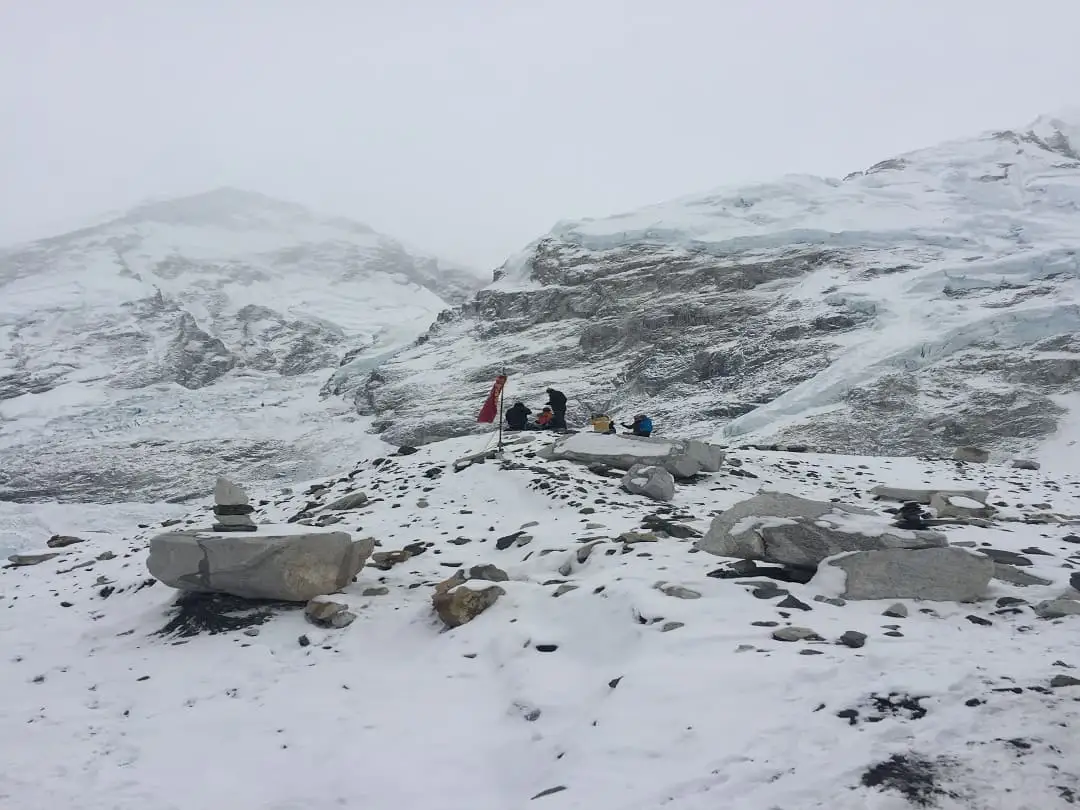
Trek Overview: The round trip trek covers roughly 130 km (80 miles), with a significant elevation gain from Lukla to EBC. Expect uneven terrain, occasional steep sections, and the potential for snow and ice depending on the season.
Training for Success
Key Focus Areas
- Cardiovascular Endurance: Build the ability to hike for several hours steadily, even in thin air.
- Strength: Develop leg strength for climbs and descents (squats, lunges, step-ups, calf raises, hamstring curls) and core strength for balance and backpack support (planks, bridges, Russian twists).
- Mental Toughness: Consistent training pushes your limits, preparing you for challenging moments on the trek.
Types of Exercise
- Cardio: Hiking with a weighted backpack is the most specific preparation. Also, consider trail running, uphill walking, cycling, or swimming.
- Strength Training: Focus on bodyweight exercises at first. If desired, gradually add weight or resistance.
- Cross-Training: Activities like yoga or Pilates can improve flexibility and balance, which are beneficial on the trek.
The Power of Preparation
You CAN do It! The EBC trek is achievable for many fitness levels with the proper training.
- Getting Started: Ideally, train 3-6 months before your trek. It allows for a safe and effective build-up of both fitness and endurance.
- A Gradual Approach: Begin with shorter, less intense workouts. As your body adapts, steadily increase the length of your hikes and the weight/resistance you use during strength training.
- Listen to Your Body: Pay close attention to how you feel during and after workouts. While some muscle soreness is normal, any sharp pain or lingering discomfort may indicate you need to adjust your training plan or seek advice from a professional.
- Fuel Your Training: Proper nutrition supports your training and recovery.
Addressing a Common Concern:
"I'm not very fit right now. Is it too late to start training for EBC?"
It's always possible to begin; the sooner you start, the better. With consistent effort, even those starting from a lower fitness level can build the strength and stamina needed for the trek. Discuss any health concerns with your doctor – they can help you tailor a training plan to reach your Everest goals safely and successfully.
Mind Over Matter: The Mental Aspect of Everest Base Camp
The Everest Base Camp trek will test you physically, but mental strength is equally crucial. Expect discomfort, the occasional slow pace, and a potential internal battle against doubt. By developing a resilient mindset and a few key strategies, you'll equip yourself to conquer the mental challenges and make the journey even more rewarding.
Expect the Unexpected
- Basic Comforts: Accommodation on the EBC trek is simple. Expect shared rooms in teahouses, cold nights, and limited bathroom facilities.
- Embrace Flexibility: Weather, minor illnesses, or necessary acclimatization adjustments might require itinerary changes. Patience is essential.
- The Slow Pace: Acclimatization sometimes means 'rest' days that may feel inactive. Embrace these as part of the process.
Mindset is Key
- Focus on the Positive: Keep the awe-inspiring goal of reaching Everest Base Camp at the forefront of your mind, especially when things get tough.
- Celebrate Milestones: The journey is filled with incredible moments - reaching a scenic viewpoint, conquering a tough climb, and even enjoying a warm meal. Acknowledge these victories along the way.
- Discomfort is Growth: View challenges like primary conditions or a tough day on the trail as opportunities to build resilience.
Your Mental Toolkit
Mindfulness & Breath:
- Box Breathing: Breathe steadily for a count of four, hold your breath gently for four, release the air slowly for four, pause and wait for four.
- Guided Meditation: Apps like Headspace or Calm offer short meditations for beginners.
- Strong Support: An optimistic guide, encouraging trek mates, and (when possible) staying connected to loved ones can provide invaluable support.
It's OK to Feel...: Sadness, frustration, or doubt are normal. Overcoming them makes the achievement sweeter. Even experienced adventurers can miss home – reach out for support or call home if possible.
Everest Base Camp Trek Difficulty FAQs
Q1: Should I be incredibly fit to reach Everest Base Camp?
A: The Everest Base Camp trek demands a good fitness level, but you can only be an elite athlete. With dedicated training, many people can achieve this goal. Focus on building your stamina, leg strength, and mental toughness through a consistent training plan.
Q2: Is there an age limit for Everest Base Camp?
A: There's no strict age limit. Your overall health and fitness are more important factors. If you're an older trekker, be prepared for a slower acclimatization process and discuss any health concerns with your doctor beforehand. Remember, Age is just a number – we've had successful trekkers in their 70s!
Q3: How will I know if I have altitude sickness, and what should I do?
A: Be aware of the symptoms:
- Common: Headache, nausea, fatigue, dizziness, difficulty sleeping.
- Severe: Confusion, loss of coordination, difficulty breathing.
- Even a little symptom can signal a more significant issue. Be open with your guide – early action makes all the difference.
Q4: What if I get sick (with something other than altitude sickness)?
A: Minor illnesses can happen on any trip.
- Carry essential medications.
- Drink plenty of fluids.
- Inform your guide – they can assess your condition and arrange medical attention.
Q5: Do I need to be an experienced hiker?
A: The hiking experience is helpful, but the Everest Base Camp trek is more about determination than technical skill. If you are willing to train, embrace the challenge, and have a positive attitude, you have what it takes to reach your goal.
Q6: I'm worried about the cold. How cold does it get?
A: Temperatures vary by season and elevation, but expect cold nights, especially at higher camps. The key is layering!
- Bring a warm sleeping bag, a down jacket, a hat, gloves, and thermal base layers.
- Check the average temperatures for your trekking month to choose appropriate gear.
Q7: How do I find a reputable trekking company for Everest Base Camp?
A: Choose wisely! Look for companies with:
- Extensive experience in the Everest region
- Positive reviews and testimonials
- Detailed itineraries and transparent pricing
- A commitment to safety and responsible trekking practices
- Highly qualified and experienced guides
Conclusion: With Preparation, the Summit Awaits!
The journey to Everest Base Camp undoubtedly has its challenges. The effects of altitude, the physical demands, and the trek's sometimes unpredictable nature require careful preparation and a resilient mindset. But the rewards far outweigh the obstacles. With thorough planning, dedicated training, and an unwavering belief in yourself, standing at the foot of the world's highest mountain becomes an achievable dream. The breathtaking scenery and the challenge of reaching Everest will be unforgettable. But remember, the inner journey – the strength and determination you discover– makes this experience life-changing.
Ready to Begin Your Everest Base Camp Journey?
Explore our EBC itineraries and trekking resources to start planning your unforgettable adventure. Connect with our experienced team and community of passionate trekkers for advice, support, and inspiration. Let the awe-inspiring power of Everest ignite your adventurous spirit!
Updated: 5th June 2024 07:49 PM

