Trekking in Nepal: The Ultimate Guide to Himalayan Adventures
Embark on a Journey of a Lifetime
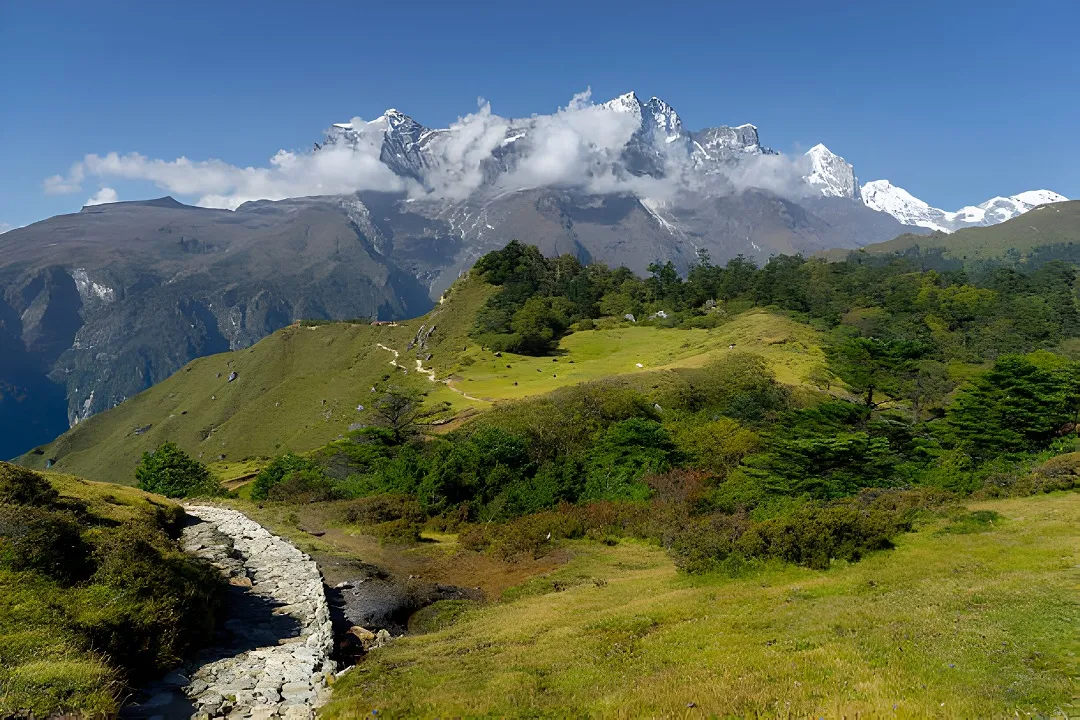
Imagine this: The world's highest peak, Mount Everest, towers before you. Crisp Himalayan air fills your lungs as the sun paints a golden tapestry across the snow-capped peaks. Prayer flags flutter in the breeze, carrying whispers of ancient traditions. This is the essence of trekking in Nepal – an adventure that awakens the soul.
Nepal: A Trekker's Paradise
Nestled in the heart of the Himalayas, Nepal is a trekker's dream come true. From the legendary trails of Everest Base Camp to the verdant landscapes of the Annapurna Circuit, every step reveals a new wonder. Traverse through lush forests teeming with exotic wildlife, stroll through vibrant alpine meadows, and stand in awe of glacial lakes reflecting the majestic peaks.
But Nepal offers more than breathtaking scenery. It's a cultural tapestry woven with the threads of diverse ethnic groups, each contributing their unique language, customs, and festivals to the rich fabric of the country. Trekking in Nepal is an immersive experience that connects you with both nature and the warm hospitality of its people.
Your Guide to Conquering the Trails
This guide is your passport to unlocking the best of Nepal's trekking treasures. We'll delve into:
- Legendary Trekking Routes: Discover the most popular trails, from challenging climbs to leisurely hikes.
- Essential Preparation: Learn how to gear up, train, and pack for your adventure.
- Best Times to Trek: Understand the seasons and weather patterns to optimize your experience.
- Cultural Etiquette: Respect the customs and traditions of the communities you encounter.
- Responsible Trekking: Minimize your impact on the environment and support local economies.
We'll also share inspiring stories and practical tips from seasoned trekkers who have walked these paths before. Whether you're an experienced mountaineer or a first-time explorer, this guide will equip you to plan and embark on the trekking adventure of your dreams.
Get Ready to Create Unforgettable Memories
Trekking in Nepal is more than a physical challenge; it's a journey of self-discovery, a connection with nature, and an exploration of vibrant cultures. Let this guide be your compass as you navigate the trails, forge lasting memories, and uncover the magic that awaits you in the Himalayas.
Unraveling the Allure of Trekking in Nepal: Nature, Culture, and Adventure
A Symphony of Landscapes:
Nepal's landscapes are a visual feast for the senses. Imagine trekking through vibrant subtropical forests, where sunlight filters through the leaves of towering trees and exotic birds serenade your journey. Ascend to terraced fields meticulously carved into the hillsides, a testament to the ingenuity of local farmers. Higher still, you'll encounter alpine meadows ablaze with wildflowers, a stark contrast to the icy majesty of the world's highest peaks. Glacial lakes shimmer like jewels, reflecting the awe-inspiring panorama, and cascading waterfalls add a touch of magic to the scene. Trekking in Nepal is an immersion into a natural wonderland, where every turn reveals a new breathtaking vista.
A Tapestry of Cultures:
Beyond the natural splendor, trekking in Nepal is a cultural odyssey. As you traverse the trails, you'll have the privilege of interacting with the warm and welcoming communities that call these mountains home. In the Everest region, you'll encounter the legendary Sherpas, renowned for their mountaineering expertise and deep connection to the land. In the Annapurna region, you'll meet the Gurung and Magar people, whose rich traditions and unique architecture add a layer of cultural richness to your adventure. Engage in conversations, share stories, and participate in local festivals to gain a deeper understanding of Nepal's diverse heritage.
The Thrill of Adventure:
Nepal delivers for those seeking an adrenaline rush. High-altitude trails, rugged terrains, and unpredictable weather conditions demand physical and mental resilience. Conquering these challenges brings an unparalleled sense of accomplishment, forging memories that last a lifetime. The exhilaration of reaching a summit, the camaraderie of fellow trekkers, and the breathtaking views from high passes create a truly transformative adventure.
Popular Trekking Routes in Nepal
Nepal boasts some of the most iconic trekking routes in the world, each offering unique experiences that blend natural beauty with cultural richness. Here, we delve into 20 must-try trekking routes, providing detailed information to inspire your next adventure.
Everest Base Camp Trek
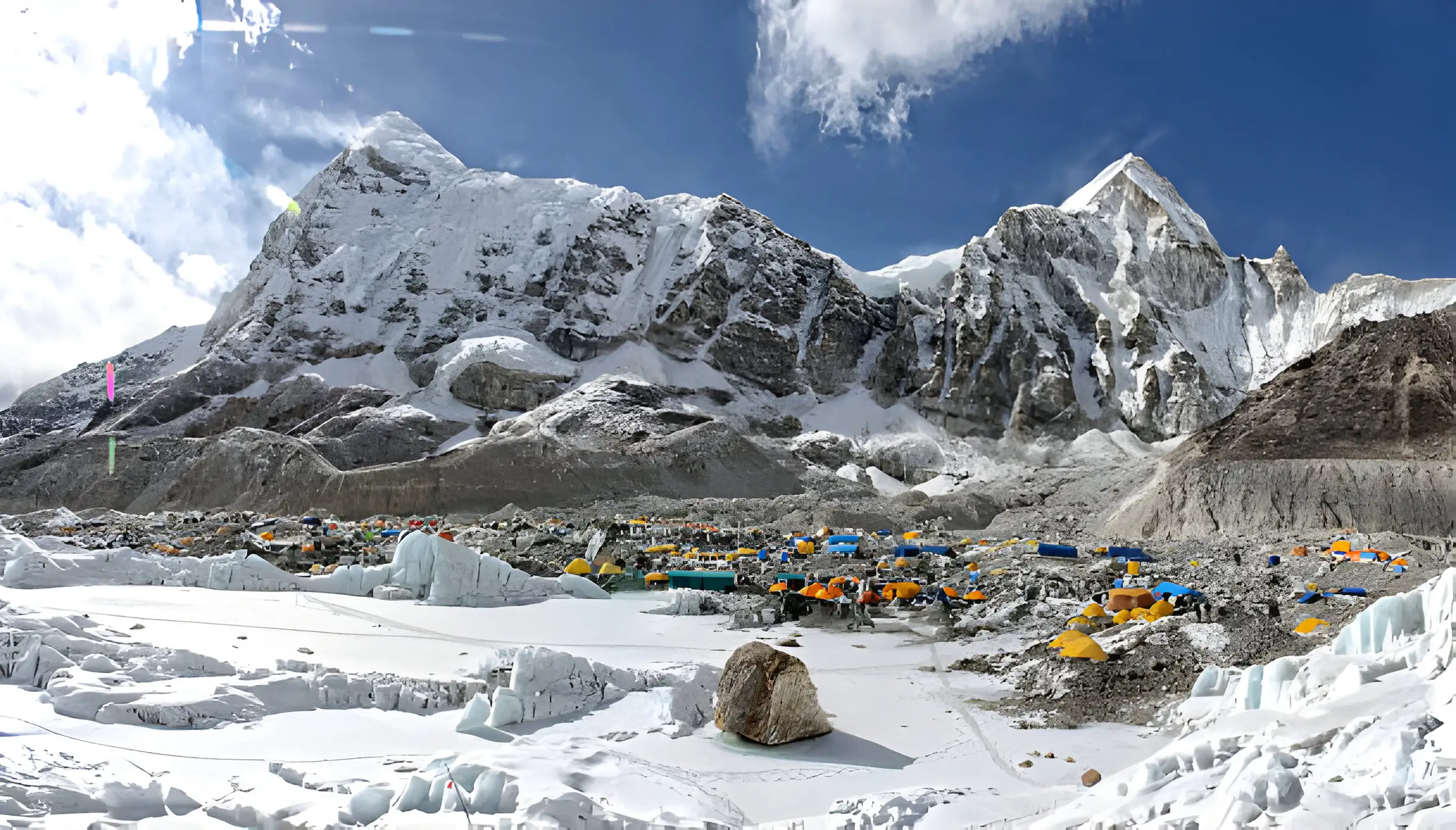
Overview: The Everest Base Camp Trek is perhaps the most famous in the world, drawing adventurers eager to stand at the foot of Mount Everest.
Highlights:
- Scenery: Breathtaking views of Everest, Lhotse, and other towering peaks.
- Cultural Experience: Encounter the Sherpa culture, visit monasteries, and experience the bustling Namche Bazaar.
- Challenge: High-altitude trekking with demanding trails and potential altitude sickness.
Annapurna Base Camp Trek
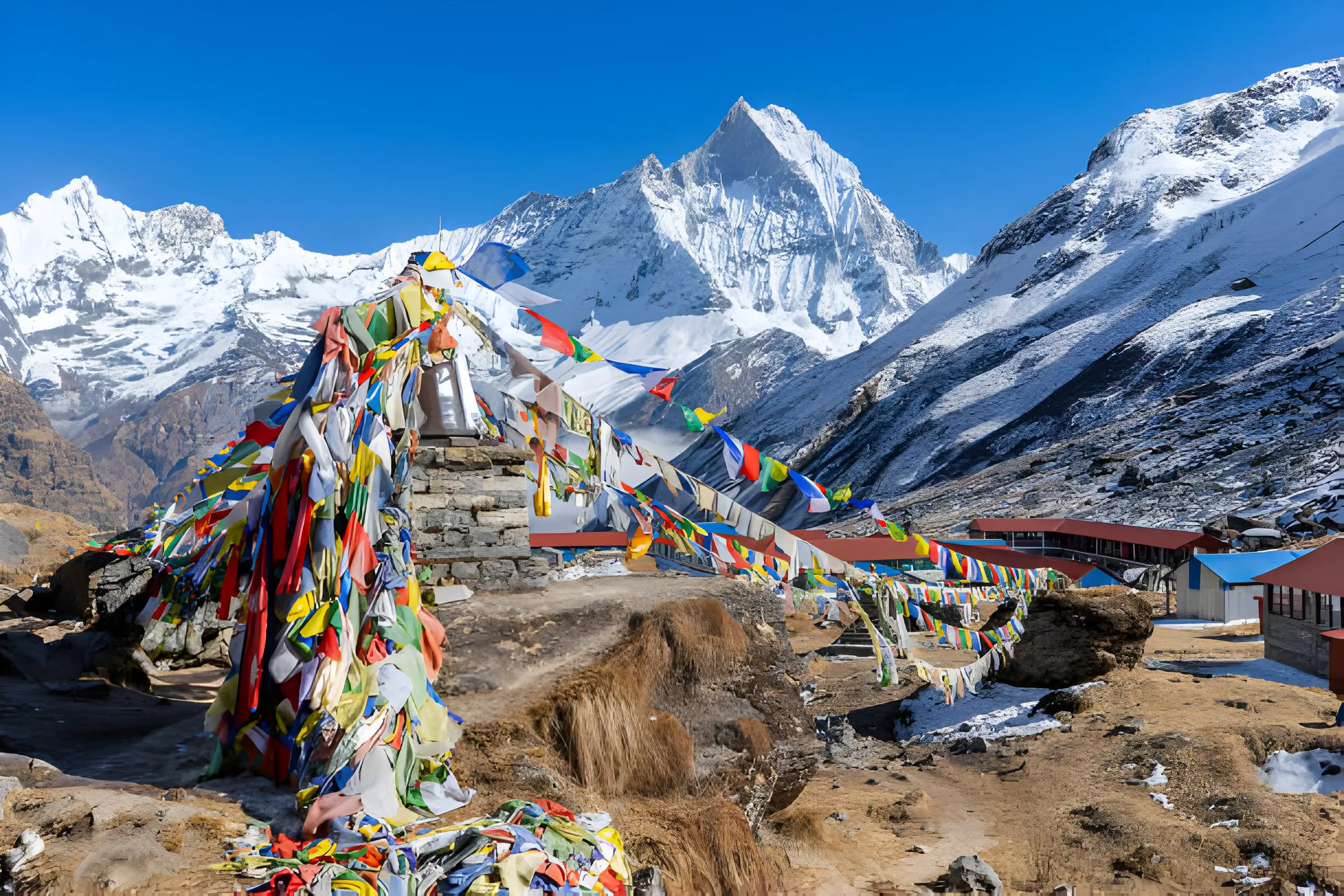
Overview: Annapurna Base Camp trek takes you to the heart of the Annapurna Sanctuary, offering stunning views and a rewarding journey to the base camp of one of the world's highest peaks.
Highlights:
- Scenery: Majestic views of Annapurna I, Machapuchare (Fishtail), and other towering peaks.
- Cultural Experience: Explore Gurung and Magar villages, Visit local teahouses and Experience the vibrant local culture.
- Challenge: Moderate to strenuous trekking with significant altitude gain, suitable for those with good fitness levels.
Annapurna Circuit Trek
Overview: This classic trek circles the Annapurna Massif, offering a diverse range of landscapes and cultural experiences.
Highlights:
- Scenery: Lush forests, terraced fields, high-altitude deserts, and views of Annapurna and Dhaulagiri.
- Cultural Experience: Pass through various ethnic villages, including Gurung and Thakali communities.
- Challenge: Thorong La Pass (5,416 meters) is a significant high-altitude challenge.
Langtang Valley Trek
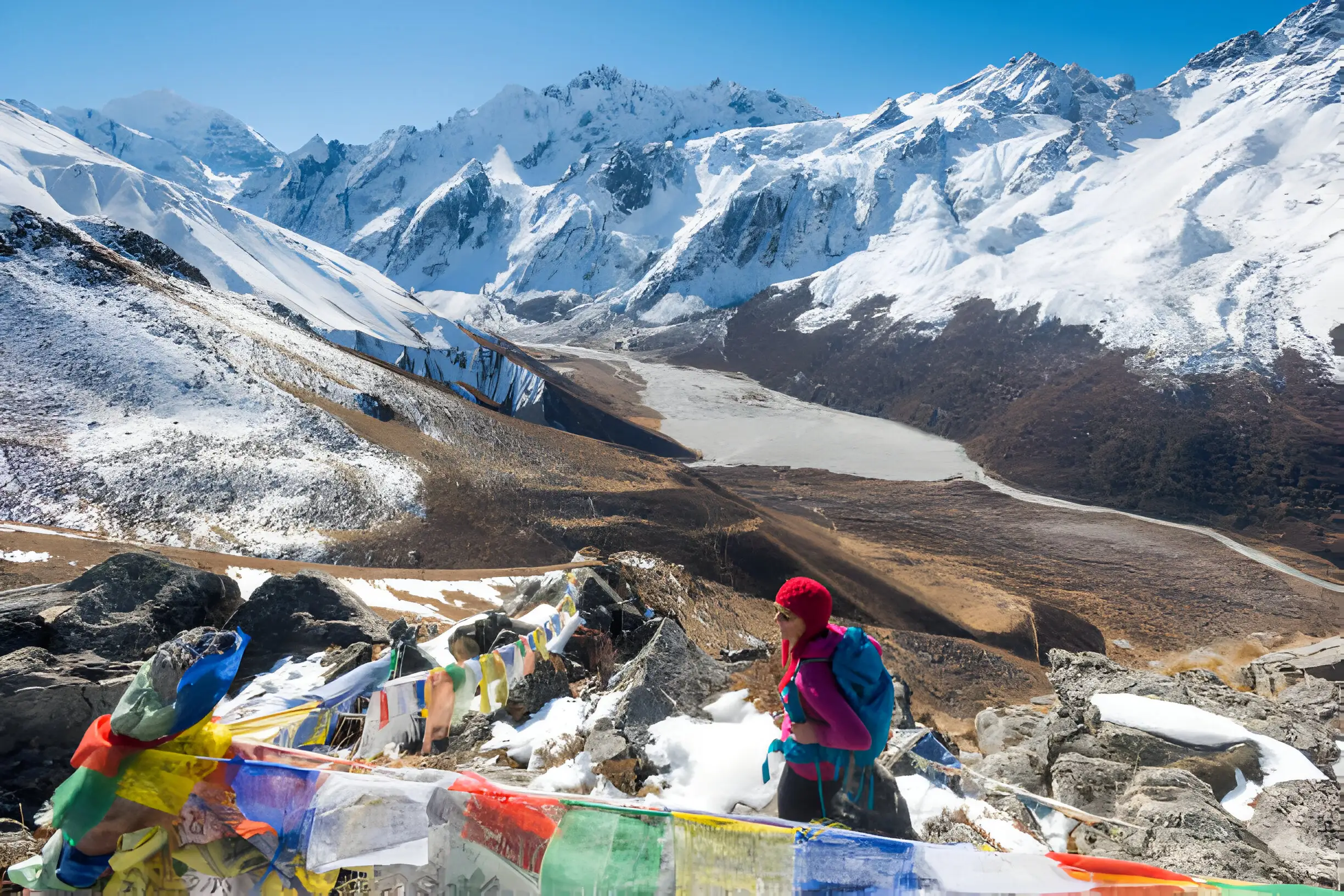
Overview: Langtang Valley trek, which is close to Kathmandu, offers a relatively short yet rewarding adventure through Langtang National Park.
Highlights:
- Scenery: Panoramic views of the Langtang Range, lush forests, and glacial rivers.
- Cultural Experience: Experience the Tamang culture and visit Kyanjin Gompa.
- Challenge: Moderate trekking is suitable for those with limited time.
Manaslu Circuit Trek
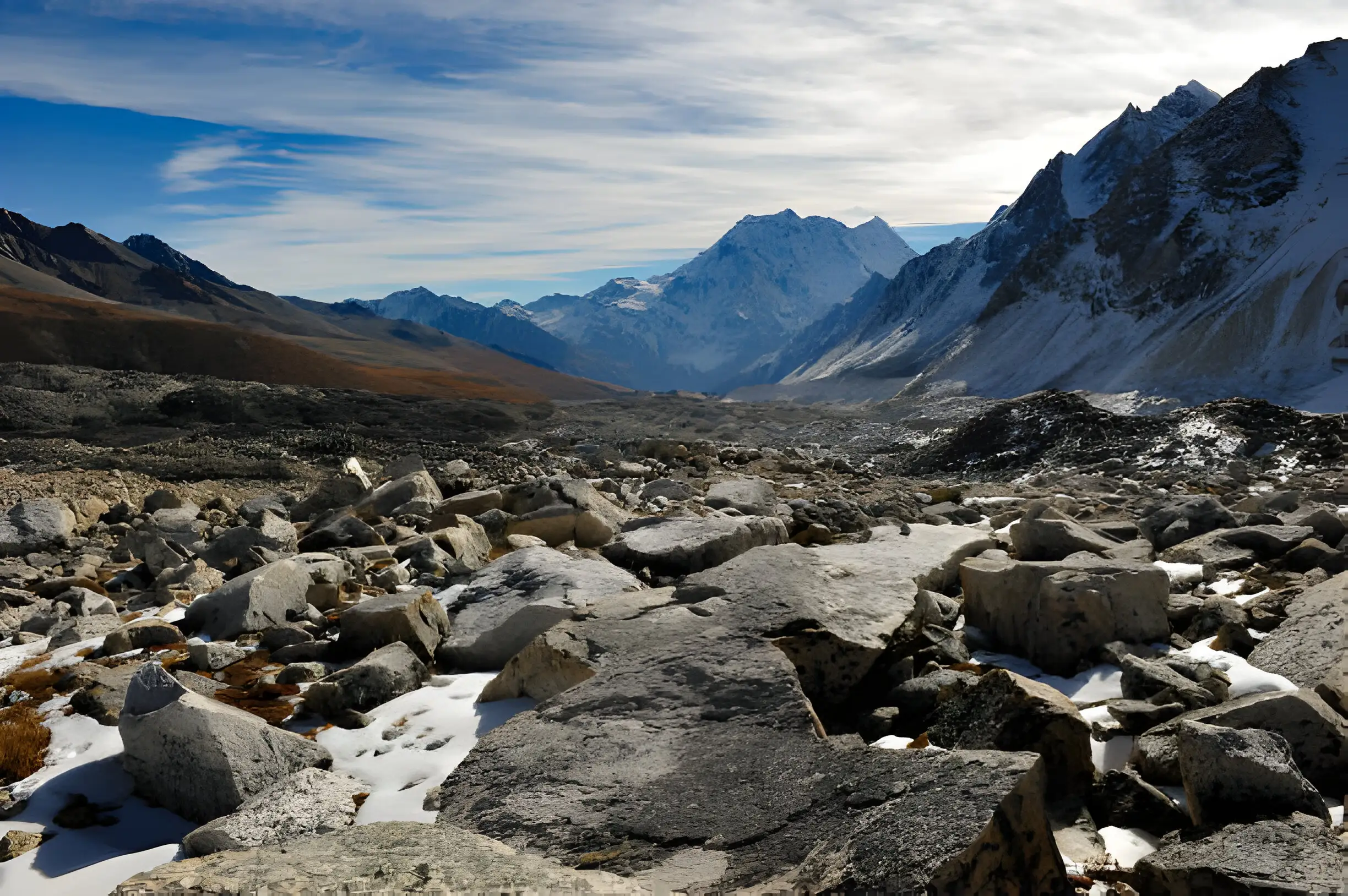
Overview: Manaslu Circuit Trek is a remote and less crowded alternative to the Annapurna Circuit, this trek offers an immersive experience in Tibetan-influenced culture.
Highlights:
- Scenery: Spectacular views of Mount Manaslu and diverse landscapes.
- Cultural Experience: Tibetan-influenced villages and monasteries.
- Challenge: Crossing the Larkya La Pass (5,106 meters).
Mardi Himal Trek
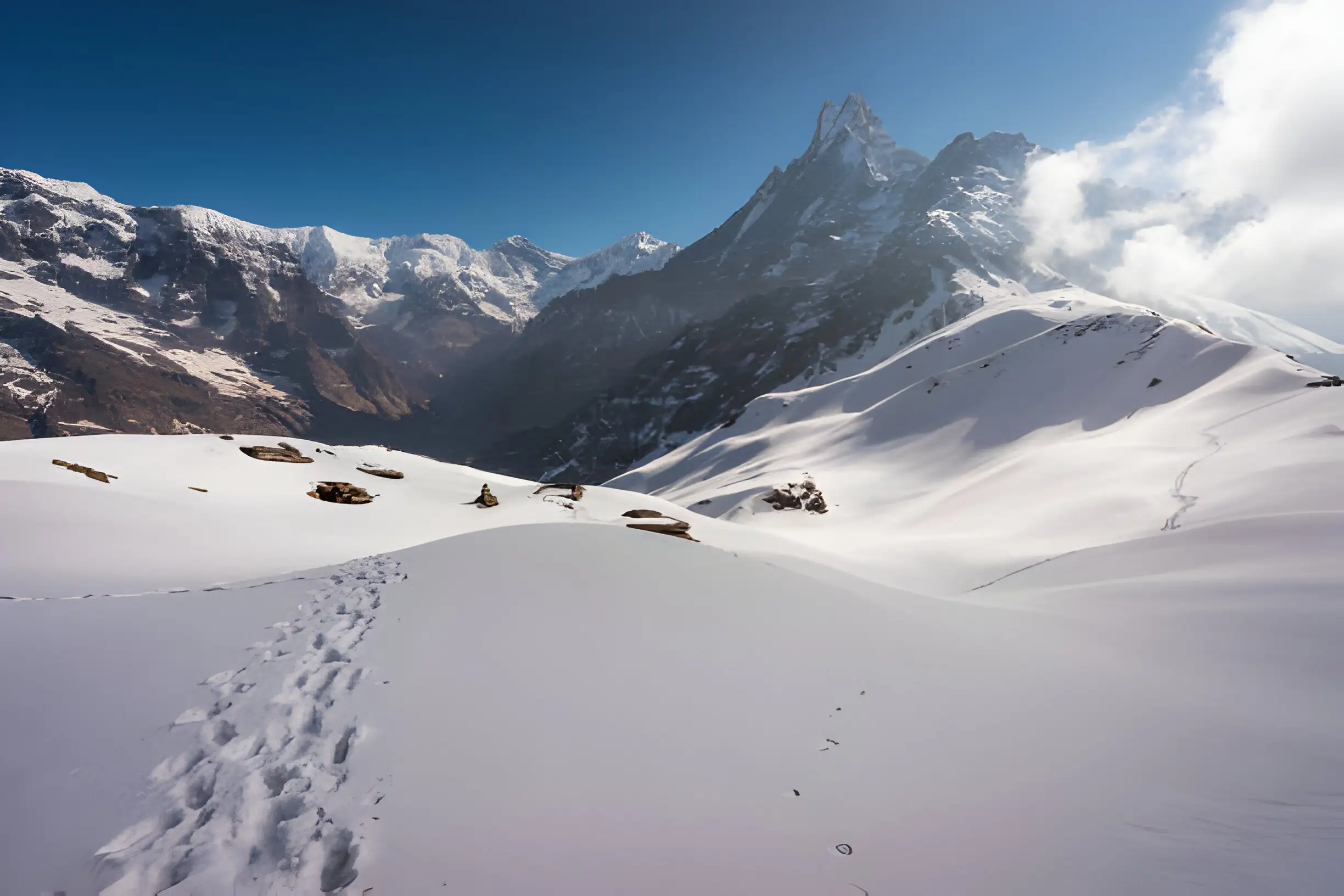
Overview: A hidden gem in the Annapurna region, offering stunning views of Mardi Himal, Machapuchare, and Annapurna.
Highlights:
- Scenery: Forests, ridges, and panoramic mountain views.
- Cultural Experience: Local Gurung villages and teahouses.
- Challenge: Shorter and less crowded, making it perfect for those seeking solitude.
Upper Mustang Trek
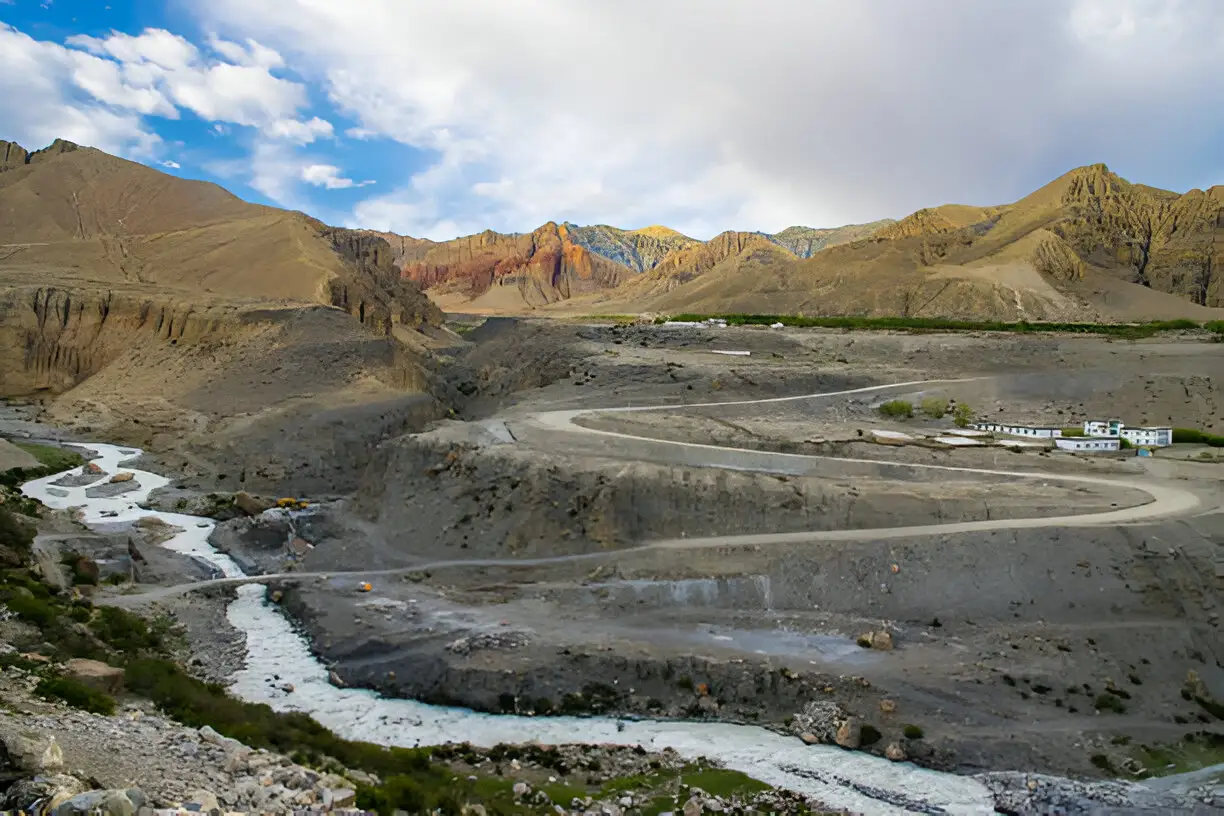
Overview: This trek takes you into the hidden world of the ancient Buddhist kingdom of Mustang.
Highlights:
- Scenery: Unique desert-like landscapes, red cliffs, and ancient caves.
- Cultural Experience: Rich Tibetan culture, ancient monasteries, and the walled city of Lo Manthang.
- Challenge: Restricted area requiring special permits, relatively moderate difficulty.
Gosaikunda Trek
Overview: This trek leads to the sacred Gosaikunda Lake, a site of spiritual significance for both Hindus and Buddhists.
Highlights:
- Scenery: Alpine landscapes, high-altitude lakes, and views of the Langtang Range.
- Cultural Experience: Pilgrimage sites and interaction with local Tamang communities.
- Challenge: High-altitude trekking with steep ascents.
Kanchenjunga Base Camp Trek
Overview: This trek offers a remote and pristine adventure to the base camp of the world's third-highest mountain.
Highlights:
- Scenery: Stunning views of Kanchenjunga, as well as diverse flora and fauna.
- Cultural Experience: Experience the remote Limbu and Rai cultures.
- Challenge: Long and demanding trek suitable for experienced trekkers.
Makalu Base Camp Trek
Overview: A rugged journey through diverse ecosystems to the base of Mount Makalu, the fifth-highest mountain in the world.
Highlights:
- Scenery: Dense forests, alpine meadows, and high-altitude terrains.
- Cultural Experience: Remote villages with ethnic Sherpa communities.
- Challenge: Remote and less frequented, requiring good physical fitness.
Dhaulagiri Circuit Trek
Overview: This challenging trek circles the seventh-highest mountain in the world, featuring high passes and remote valleys.
Highlights:
- Scenery: Dramatic views of Dhaulagiri, glaciers, and high passes.
- Cultural Experience: Isolated villages and diverse cultures.
- Challenge: High-altitude passes such as French Pass (5,360 meters) and Dhampus Pass (5,200 meters).
Upper Dolpo Trek
Overview: A journey into one of the most remote and least developed regions of Nepal, with untouched landscapes and preserved Tibetan culture.
Highlights:
- Scenery: Arid landscapes, deep gorges, and turquoise Phoksundo Lake.
- Cultural Experience: Traditional Tibetan Buddhist culture, ancient monasteries.
- Challenge: Remote and challenging, requiring logistical planning and permits.
Lower Dolpo Trek
Overview: Explore the culturally rich region of Lower Dolpo, famous for its stunning Phoksundo Lake and traditional villages.
Highlights:
- Scenery: Beautiful landscapes, Phoksundo Lake, and Shey Phoksundo National Park.
- Cultural Experience: Traditional Bon and Buddhist cultures.
- Challenge: Moderate difficulty with fewer trekkers.
Ghorepani Poon Hill Trek
Overview: Ideal for beginners, this trek offers panoramic sunrise views over the Annapurna and Dhaulagiri ranges.
Highlights:
- Scenery: Rhododendron forests, terraced fields, and sunrise views from Poon Hill.
- Cultural Experience: Gurung and Magar villages.
- Challenge: Short and scenic, suitable for all ages and fitness levels.
Rara Lake Trek
Overview: This leads to the pristine Rara Lake, the largest lake in Nepal, located in the remote Karnali region.
Highlights:
- Scenery: Serene Lake, dense forests, and picturesque landscapes.
- Cultural Experience: Remote villages and traditional lifestyles.
- Challenge: Remote and peaceful, offering a tranquil trekking experience.
Helambu Trek
Overview: This trek is close to Kathmandu and offers a short and relatively easy experience through beautiful rhododendron forests and traditional Sherpa villages.
Highlights:
- Scenery: Lush forests, terraced fields, and mountain views.
- Cultural Experience: Sherpa and Tamang cultures, monasteries.
- Challenge: Moderate difficulty, suitable for short treks.
Rolwaling Valley Trek
Overview: A challenging and remote trek offering stunning views of Gaurishankar and other peaks, along with encounters with Sherpa culture.
Highlights:
- Scenery: Dramatic landscapes, glaciers, and high-altitude passes.
- Cultural Experience: Traditional Sherpa villages and monasteries.
- Challenge: Remote and strenuous, best for experienced trekkers.
Panchase Trek
Overview: A short and easy trek offering great views of the Annapurna and Dhaulagiri ranges, perfect for a peaceful trek close to Pokhara.
Highlights:
- Scenery: Forests, hills, and panoramic mountain views.
- Cultural Experience: Local villages and teahouses.
- Challenge: Easy and suitable for all ages, ideal for a relaxing trek.
Tamang Heritage Trail
Overview: Experience the rich culture and hospitality of the Tamang people, offering beautiful landscapes and a chance to learn about local traditions.
Highlights:
- Scenery: Terraced fields, lush forests, and mountain views.
- Cultural Experience: Tamang culture, traditional dances, and local cuisine.
- Challenge: Moderate difficulty, culturally enriching.
Jomsom Muktinath Trek
Overview: It follows the ancient trade route to the holy temple of Muktinath, which offers diverse landscapes and cultural experiences.
Highlights:
- Scenery: Kali Gandaki Gorge, views of Nilgiri and Dhaulagiri, and the sacred Muktinath Temple.
- Cultural Experience: Thakali and Tibetan cultures.
- Challenge: Moderate difficulty, suitable for a spiritual journey.
Arun Valley Trek
Overview: An off-the-beaten-path adventure offering stunning scenery and cultural experiences in one of the most remote parts of Nepal.
Highlights:
- Scenery: Lush valleys, terraced fields, and views of Everest and Makalu.
- Cultural Experience: Rai and Sherpa cultures, as well as traditional villages.
- Challenge: Remote and less frequented, offering a unique trekking experience.
Each of these routes provides a unique glimpse into Nepal's natural beauty and cultural diversity, making it a trekker's paradise. Whether you seek challenging high-altitude adventures or serene, culturally rich journeys, Nepal's trekking routes offer something for everyone.
Gearing Up for Your Himalayan Adventure: Preparation Essentials
Get Trek-Ready: Physical Preparation
Training for the Trails:
- Cardiovascular Fitness: Prioritize endurance with activities like running, cycling, or swimming. Aim for 3-4 sessions per week, gradually increasing duration and intensity.
- Strength Training: Build leg, core, and upper body strength with exercises like squats, lunges, planks, and push-ups. A strong body will help you navigate challenging terrain and carry your backpack with ease.
- Hiking Practice: Hit the trails near your home, gradually increasing the distance and elevation gain. This helps simulate the demands of trekking and break in your gear.
Conquering Altitude:
- Acclimatization: Plan your itinerary with gradual ascents and built-in rest days for acclimatization. This allows your body to adjust to the decreasing oxygen levels at higher altitudes, reducing the risk of altitude sickness.
Pack Smart: Essential Gear
Dress for Success:
Layering System: Opt for moisture-wicking base layers (merino wool or synthetic), insulating mid-layers (fleece or down), and waterproof outer layers (Gore-Tex or similar). This versatile system allows you to adapt to changing weather conditions.
Thermal Wear: Pack thermal tops and bottoms for cold nights and high-altitude treks.
Footwear: Invest in sturdy, waterproof hiking boots with good ankle support. Break them in before your trek to avoid blisters.
Gear Up:
Trekking Poles: Reduce strain on your knees and provide stability on uneven terrain.
Backpack: Choose a comfortable, well-fitted backpack with ample capacity for your gear. Consider a rain cover for added protection.
Sleeping Bag: Select a sleeping bag rated for the temperatures you'll encounter. Down bags offer an excellent warmth-to-weight ratio, while synthetic bags are more affordable and perform better when wet.
Additional Essentials: Remember to bring a headlamp, sunglasses, sunscreen, a first-aid kit, a water purification system, and any personal medications.
Navigating the Rules: Permits and Regulations
Required Permits:
- TIMS Card: (Trekkers' Information Management System) This card is mandatory for all trekkers in Nepal and helps track your location for safety purposes.
- TIMS Card: (Trekkers' Information Management System) This card is mandatory for all trekkers in Nepal and helps track your location for safety purposes.
- Conservation Area Permits: Depending on your chosen trek, you may need permits for specific conservation areas (e.g., Annapurna Conservation Area, Sagarmatha National Park).
- Restricted Area Permits: Some areas require special permits due to their sensitive nature or cultural significance. Check with your trekking agency or local authorities for details.
Trekking Responsibly:
Leave No Trace: Pack out all your trash, avoid disturbing wildlife, and stick to designated trails.
Respect Local Culture:
- Dress modestly.
- Ask permission before taking photos of people.
- Learn a few basic Nepali phrases.
Support Local Communities:
- Stay in teahouses.
- Eat at local restaurants.
- Purchase souvenirs from local artisans to contribute to the local economy.
Choosing Your Ideal Trekking Season in Nepal
Seasons and Their Splendor:
Nepal experiences four distinct seasons, each offering a unique experience for trekkers:
- Spring (March-May): A symphony of colors! As the snow melts, rhododendrons burst into bloom, painting the hillsides with vibrant hues of pink, red, and purple. Temperatures are moderate, and the days grow longer, allowing for more exploration. However, this is also a popular time, so expect busier trails.
- Autumn (September-November): Post-monsoon clarity! The skies are crystal clear, offering unparalleled views of the snow-capped peaks. The weather is stable, with mild temperatures and less chance of rain. Autumn is a favorite among trekkers, so be prepared for some company on the trails.
- Winter (December-February): The quiet season. While the temperatures drop and higher altitudes experience snowfall, some treks remain accessible, particularly in lower regions like the Annapurna foothills. If you prefer solitude and don't mind bundling up, winter offers a unique experience.
- Summer (June-August): Monsoon magic. Lush greenery and vibrant landscapes abound during the monsoon season. However, heavy rains and potential landslides make trekking difficult and sometimes dangerous, so it is generally not recommended for most trekkers.
So, When Should You Trek?
The best time to trek in Nepal depends on your priorities:
- Crowds: If you prefer quieter trails, consider trekking in the shoulder seasons (early spring or late autumn) or even winter.
- Weather: Spring and autumn offer the most stable and predictable weather, with minimal rain and clear skies.
- Scenery: Spring boasts blooming rhododendrons, while autumn showcases crystal-clear views of the mountains.
Tips for Choosing Your Season:
- Research Your Trek: Different regions of Nepal have varying microclimates. Before deciding, check the specific conditions for your chosen trek.
- Consult a Trekking Agency: They can provide up-to-date information on trail conditions, weather forecasts, and crowd levels.
- Book Accommodation in Advance: Popular teahouses can fill up quickly during peak seasons.
No matter when you choose to trek, Nepal promises an unforgettable adventure. By carefully considering your priorities and researching the conditions for your chosen trek, you can ensure a truly rewarding experience.
Trek with Respect: Cultural Etiquette and Responsible Practices in Nepal
Embrace Cultural Sensitivity:
- Trekking in Nepal is more than just a walk in the mountains; it's an opportunity to immerse yourself in the rich tapestry of Himalayan cultures. Here's how you can show respect and make meaningful connections:
- Learn a Few Phrases: A simple "Namaste" (hello/goodbye) or "Dhanyabad" (thank you) goes a long way in building rapport with locals. Pick up a few basic Nepali phrases to enhance your interactions.
- Dress Modestly: Dress conservatively, especially in villages and religious sites, to avoid offending local sensibilities. Cover your shoulders and knees, and avoid wearing revealing clothing.
- Ask Before Photographing: Always ask permission before taking photos of people, especially in religious settings.
- Observe Local Customs: Take cues from your guides and fellow trekkers on how to behave appropriately in different situations.
Leave Only Footprints:
The pristine Himalayan environment is a delicate ecosystem that deserves our protection. Follow these "Leave No Trace" principles to minimize your impact:
- Pack It In, Pack It Out: Carry all your trash with you, including food wrappers and toilet paper. Use designated trash bins or dispose of waste properly in teahouses.
- Stay on the Trail: Avoid creating new paths or shortcuts, as this can contribute to soil erosion and damage vegetation.
- Respect Wildlife: Observe animals from a distance and avoid feeding them. Keep a safe distance from livestock and their grazing areas.
Support Local Communities:
Tourism plays a crucial role in the livelihoods of many Nepali communities. By making conscious choices, you can ensure your trek benefits the local economy and supports sustainable development:
- Hire Local Guides and Porters: They provide invaluable knowledge of the terrain, culture, and language. Plus, hiring local staff creates employment opportunities.
- Stay in Teahouses: These locally owned lodges offer comfortable accommodations, delicious meals, and a chance to interact with fellow trekkers and residents.
- Buy Local Products: Purchase souvenirs and handicrafts from local artisans to support traditional crafts and the local economy.
- Give Back: Consider donating to reputable organizations working on community development or environmental conservation projects in the region.
Trekking Responsibly: A Win-Win for Everyone
By embracing cultural sensitivity, practicing environmental stewardship, and supporting local communities, you'll not only have a more enriching trekking experience but also contribute to the long-term well-being of the region. Remember, trekking in Nepal is a privilege, and by treading lightly and respectfully, we can ensure that future generations can also enjoy the beauty and wonder of the Himalayas.
Personal Experiences and Testimonials
Stories from Trekkers
Jane, U.K:
"Trekking to Everest Base Camp was the most challenging yet rewarding experience of my life. The sheer scale and beauty of the Himalayas are beyond words. Each day brought new adventures and incredible views. The Sherpa hospitality added a unique warmth to the journey, making me feel at home in such a remote and wild place."
Amit, India:
"Trekking the Annapurna Circuit was like stepping into a different world every day. From lush green forests to arid high-altitude deserts, the landscapes were incredibly diverse. The cultural immersion was just as enriching, with each village offering a new cultural experience and local hospitality. Every moment was breathtaking, and I left with a deep appreciation for Nepal's natural and cultural heritage."
Personal Reflections
My Own Trekking Experience in Nepal:
Embarking on a trek in Nepal was a truly transformative experience. The physical challenges of the treks pushed my limits, demanding resilience and determination. However, the serene beauty of the Himalayas and the enduring warmth of the local people made every step worthwhile. The landscapes were nothing short of magical, with towering peaks, verdant valleys, and tranquil glacial lakes offering a feast for the senses. Each interaction with the local communities deepened my respect for their rich cultural traditions and their harmonious way of life.
This journey tested my physical endurance and enriched my soul, offering moments of introspection and a deeper connection with nature. I aspire to return and explore even more of Nepal's hidden trails to continue this journey of discovery and personal growth.
FAQs About Trekking in Nepal: Your Questions Answered
Q: What are the best treks for beginners in Nepal?
A: Great options for beginners include the Ghorepani Poon Hill Trek (4-5 days), the Langtang Valley Trek (7-9 days), and the Mardi Himal Trek (5-7 days). These treks offer stunning mountain views and cultural experiences and are manageable for those with moderate fitness levels.
Q: Do I need a guide and porter to trek in Nepal?
A: While technically not mandatory for all treks, hiring a local guide and porter is highly recommended. They provide valuable knowledge of the terrain, culture, and language, ensure your safety, and help carry your gear. This also supports the local economy.
Q: What are the costs involved in trekking in Nepal?
A: Costs vary depending on the trek's duration, difficulty, and your chosen style (teahouse vs. camping). Budget for permits, accommodation, food, transportation, guide/porter fees, and tips. On average, expect to spend $30-$100 per day.
Q: When is the best time to go trekking in Nepal?
A: The prime trekking seasons are spring (March-May) and autumn (September-November). These seasons offer stable weather, clear views, and comfortable temperatures. However, the shoulder seasons (early spring/late autumn) can also be pleasant with fewer crowds.
Q: What kind of physical fitness is required for trekking in Nepal?
A: The level of fitness needed depends on the chosen trek. Most popular treks require moderate fitness, with the ability to hike for several hours a day with a backpack. Regular cardiovascular exercise and strength training in the months leading up to your trek is recommended.
Q: How do I obtain trekking permits in Nepal?
A: Permits can be obtained from the Nepal Tourism Board offices in Kathmandu and Pokhara. Some treks may require additional permits for specific conservation areas or restricted regions. Your trekking agency can typically assist with the permit process.
Q: What should I pack for trekking in Nepal?
A: Pack layers for varying temperatures, including moisture-wicking base layers, insulating mid-layers, and waterproof outer layers. Sturdy hiking boots, trekking poles, a comfortable backpack, a sleeping bag, and essential toiletries are also crucial.
Q: Is altitude sickness a concern in Nepal?
A: Altitude sickness can be a concern on high-altitude treks. Acclimatize properly by ascending gradually and building in rest days. Stay hydrated, avoid alcohol and caffeine, and listen to your body. If symptoms worsen, descend to a lower altitude.
Q: Are there ATMs and Wi-Fi available on trekking routes?
A: ATMs are available in major towns and some villages along popular trekking routes. Wi-Fi can be found in teahouses and lodges, but the connection may be unreliable in remote areas.
Q: What are some tips for responsible trekking in Nepal?
A: Respect local customs and traditions, pack out all your trash, stay on designated trails, avoid disturbing wildlife, and support local businesses by staying in teahouses and purchasing local products.
Your Himalayan Adventure Awaits: Embark on an Unforgettable Journey
As we've explored, trekking in Nepal is a transformative experience that blends breathtaking landscapes, vibrant cultures, and exhilarating challenges. Whether you're drawn to the iconic trails of Everest Base Camp or the tranquil beauty of the Annapurna Circuit, Nepal offers a trekking adventure tailored to your desires.
Your Path to the Peaks Begins Now:
Armed with the insights and tips from this guide, you're ready to take the first step on your own Himalayan odyssey.
Remember:
- Choose Your Trail: Select a trek that matches your fitness level, interests, and time constraints.
- Prepare Wisely: Get in shape, pack the right gear, and arrange permits well in advance.
Updated: 3rd June 2024 09:13 AM

