Mount Everest: A Journey to the Roof of the World
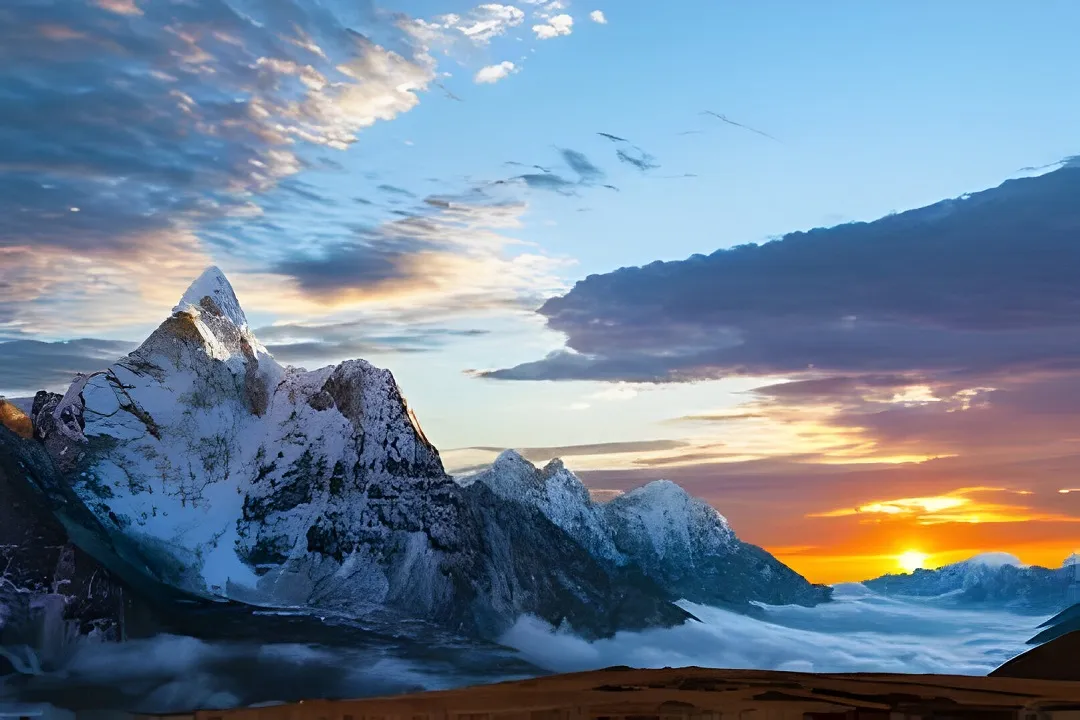
Imagine standing at the highest point on Earth, the wind whipping around you as you gaze out over a panorama of snow-capped peaks stretching as far as the eye can see. This dream drives countless climbers to conquer Mount Everest, the ultimate challenge and a testament to human resilience.
But Everest is more than just a mountain. It symbolizes adventure, a geological marvel, and a cultural icon. This comprehensive guide will delve into the many facets of this iconic peak, from its dramatic formation and storied climbing history to the unique culture of the Sherpa people and the environmental challenges facing this fragile ecosystem.
Whether you aspire to reach its summit or are captivated by its mystique, join us as we explore the history, science, culture, and challenges surrounding Mount Everest. Discover the stories of triumph and tragedy that have unfolded on its slopes, learn about the delicate balance between human ambition and environmental preservation, and discover how you can experience the magic of Everest for yourself.
History of Mount Everest: From Discovery to Global Icon
The story of Mount Everest is one of mystery, exploration, triumph, and tragedy. Long before it was officially recognized as the world's highest peak, Everest held a place of reverence in the hearts of the local Sherpa people. They called it Chomolungma, the "Mother Goddess of the World," and revered its towering presence.
The Great Trigonometric Survey and the Naming Controversy
In the 19th century, British surveyors embarked on the Great Trigonometrical Survey of India, a monumental project to map the Indian subcontinent. During this survey, in 1852, a Bengali mathematician named Radhanath Sikdar made a groundbreaking discovery. His calculations revealed that a peak labelled "Peak XV" stood taller than any known mountain, a staggering 8,840 meters (29,002 feet) above sea level.
However, the British surveyors could not directly confirm their findings due to political tensions and restrictions on access to the region. They relied on observations from afar and trigonometric calculations to determine Peak XV's height. In 1865, Andrew Waugh, the Surveyor General of India, officially proposed naming Peak XV after his predecessor, Sir George Everest. Despite Sir George's initial objections, the name "Mount Everest" was adopted by the Royal Geographical Society. While this name has become globally recognized, it remains a source of debate, with many advocating for identifying and using its local names, Chomolungma (Tibetan) or Sagarmatha (Nepali), to honour the region's cultural heritage.
Early Attempts and Mallory's Enduring Mystery
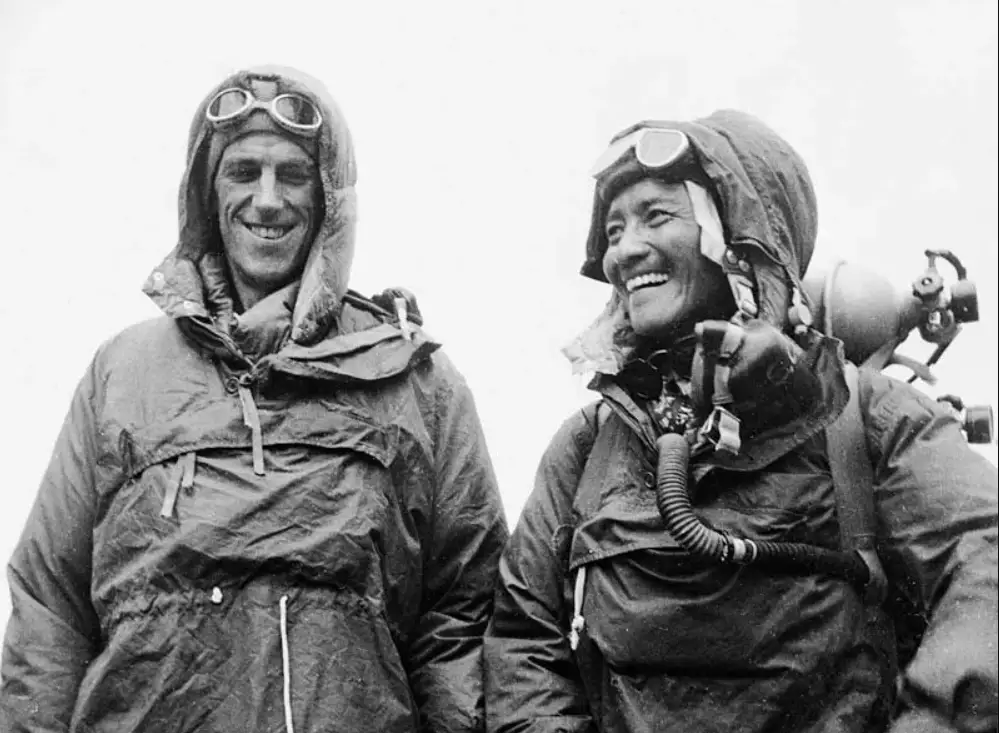
The year 1953 marked a turning point in mountaineering history. The ninth British expedition to Everest, led by John Hunt, was meticulously planned and included experienced climbers like Edmund Hillary from New Zealand and Tenzing Norgay, a Sherpa from Nepal.
On May 29th, 1953, at 11:30 am, Hillary and Tenzing achieved the impossible and became the first humans to stand on the summit of Mount Everest. Their success was a testament to teamwork, planning, and the unwavering spirit of adventure. It also opened Nepal to the world, ushering in a new era of mountaineering and tourism.
After the First Ascent
The first ascent paved the way for countless others to follow, but Everest remains a formidable challenge. The extreme altitude, unpredictable weather, and treacherous terrain have claimed many lives. Even with modern technology, ascending Everest is a risky endeavour that demands respect and preparation.
The Legacy
The story of Hillary and Tenzing's triumph continues to inspire adventurers worldwide, reminding us that even the most daunting challenges can be overcome. Their achievement fostered international collaboration and cultural exchange, having a lasting impact on the world.
Geological Formation and Geography of Mount Everest: A Himalayan Titan
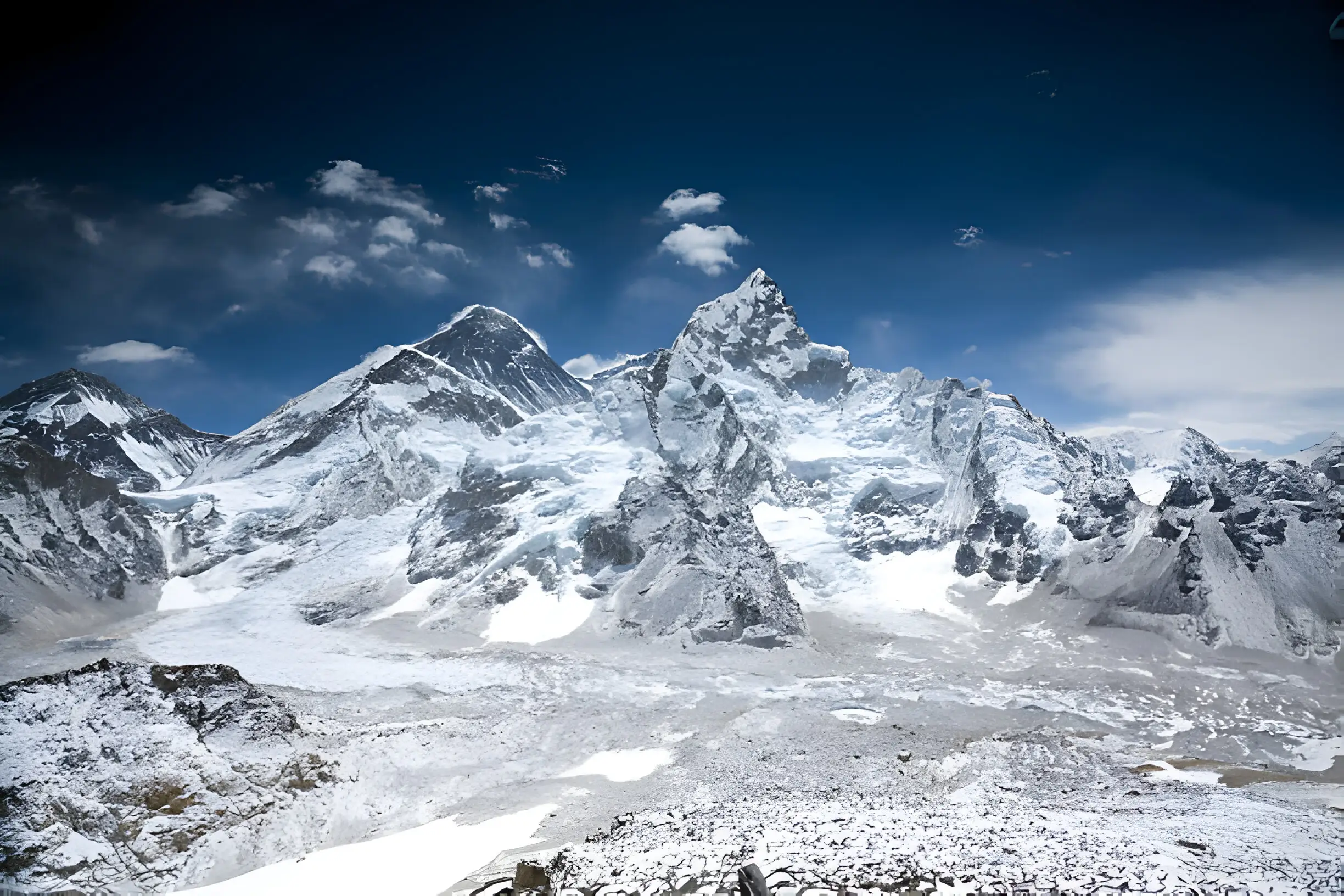
Mount Everest, the crown jewel of the Himalayas, is a testament to the dynamic forces that shape our planet. Formed over millions of years by the collision of the Indian and Eurasian tectonic plates, Everest continues to rise at about 4 millimetres per year.
The Himalayan Mountain Range
Everest is part of the majestic Himalayan mountain range, a geological wonder stretching across several Asian countries. This range is home to numerous peaks over 8,000 meters (26,247 feet) above sea level, making it a paradise for mountaineers and adventurers.
Everest's Unique Topography
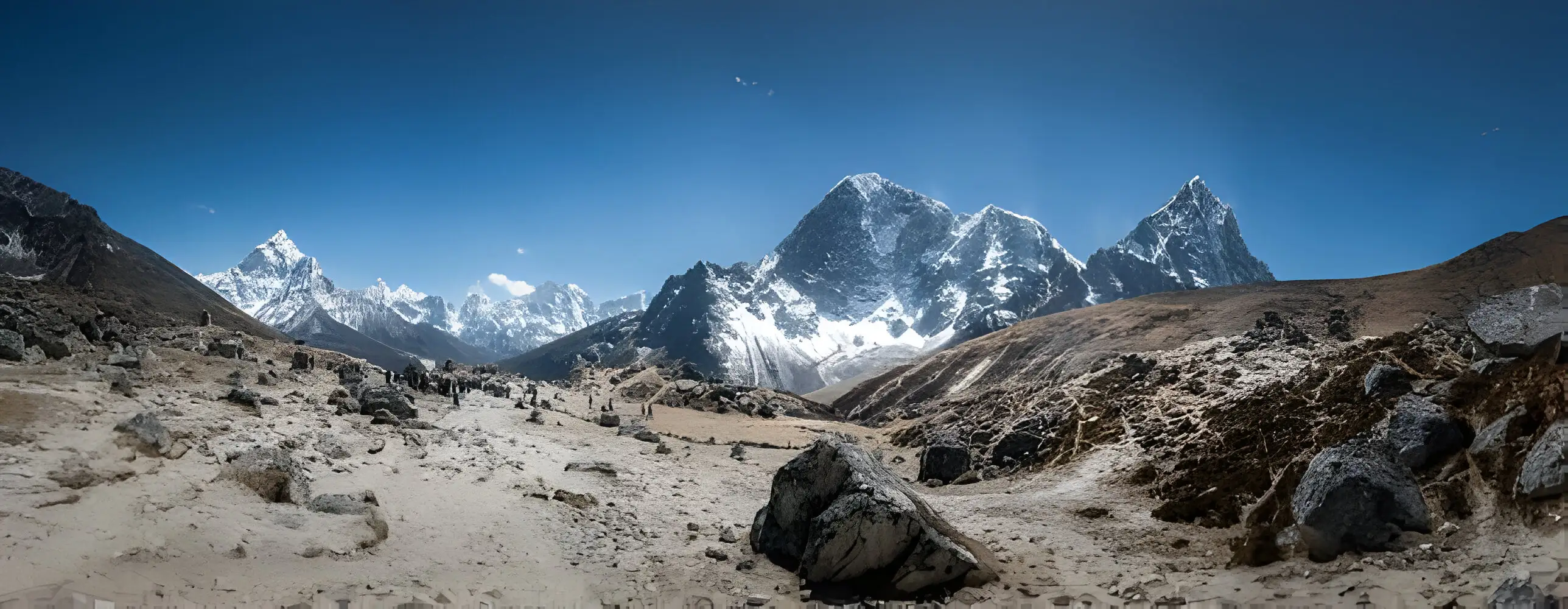
Everest's landscape is a breathtaking tapestry of snow, ice, and rock, shaped by massive glaciers that carve valleys, moraines, and icefalls. The Khumbu Icefall is a notorious obstacle for climbers, while the mountain's sharp ridges and steep faces offer challenging routes to the summit. Like the Khumbu Valley, the valleys surrounding Everest are home to Sherpa villages, monasteries, and trekking trails, providing a glimpse into the region's rich culture and natural beauty.
Climate and Weather
Everest's extreme altitude creates a harsh and unpredictable climate. Temperatures plummet to -60°C (-76°F) or lower during winter, and the jet stream brings fierce winds. Even in summer, the summit rarely rises above freezing. These conditions, combined with thin air and low oxygen levels, make climbing Everest a formidable challenge, requiring climbers to be well-prepared and equipped to face the elements.
The Sherpa People and Everest: Guardians of the Mountain
The Sherpa people, indigenous to the high-altitude regions of the Himalayas, share a profound bond with Mount Everest. Their culture, traditions, and way of life are deeply rooted in the mountain they revere as Chomolungma, the "Mother Goddess of the World."
A Tapestry of Tradition and Resilience
The Sherpa culture is a vibrant blend of Tibetan Buddhism, animistic beliefs, and a deep respect for the natural world. Prayer flags, strung across valleys and ridges, carry blessings to the gods, while monasteries like Tengboche serve as spiritual anchors in the rugged landscape.
The Backbone of Everest Expeditions
Sherpas have been the backbone of Everest expeditions for over a century. Their unmatched knowledge of the mountain's terrain, weather patterns, and high-altitude acclimatization has been invaluable to climbers worldwide. They serve as guides, porters, cooks, and companions, often risking their own lives to ensure the success and safety of expeditions.
Challenges and Adaptation in a Changing World
The Sherpa community faces unique challenges in the 21st century. Climate change is altering Everest's landscape, melting glaciers and increasing the risk of avalanches and landslides. This directly threatens the livelihoods and safety of Sherpa communities that rely on the mountain's resources.
Additionally, the rise of commercial mountaineering has led to over-tourism, which strains the environment and local infrastructure. Balancing tourism's economic benefits with preserving cultural traditions and the environment remains a delicate act.
Preserving a Legacy
Despite these challenges, the Sherpa people demonstrate remarkable resilience and adaptability. They continue to play a vital role in mountaineering expeditions while advocating for sustainable tourism practices that protect their homeland and cultural heritage. Organizations like the Sagarmatha Pollution Control Committee (SPCC) are working to implement eco-friendly practices and educate visitors about responsible trekking.
Mount Everest Under Siege: Environmental Challenges
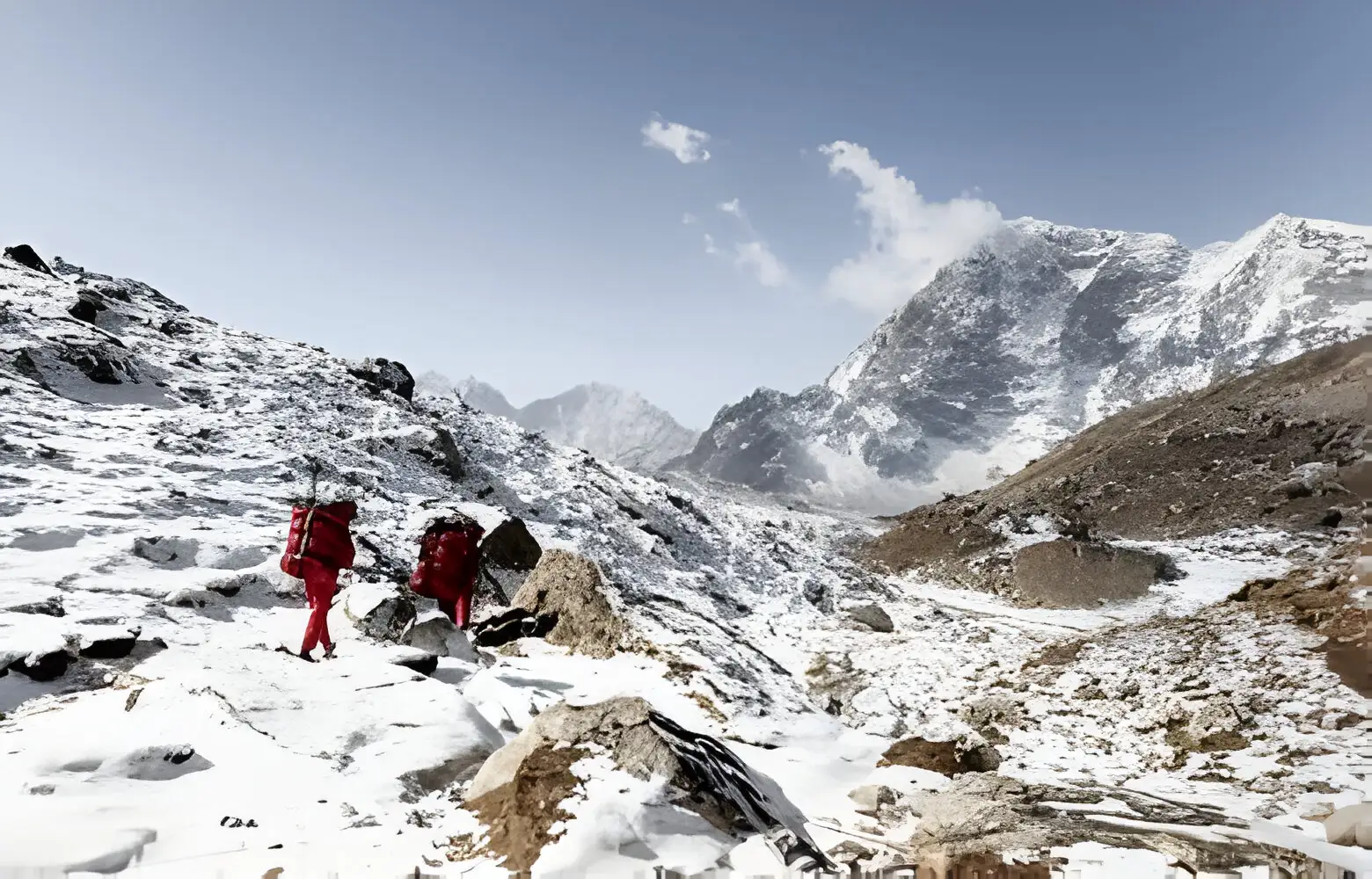
The awe-inspiring beauty of Mount Everest masks a growing environmental crisis. The mountain's extreme environment is particularly vulnerable to climate change and impacts of human activity.
The Toll of Climate Change
Rising global temperatures are accelerating the melting of Everest's glaciers, forming dangerous glacial lakes and increasing the risk of avalanches and floods. These changes threaten the lives of climbers who venture onto the mountain and have far-reaching consequences for downstream communities relying on glacial meltwater for drinking, irrigation, and hydropower generation. As the glaciers shrink, water supplies dwindle, impacting agriculture and livelihoods. Additionally, the increased risk of glacial lake outburst floods (GLOFs) seriously threatens infrastructure and human settlements in the valleys below.
The Waste Problem
The popularity of Everest has led to a surge in visitors, leaving behind a trail of trash, including tents, oxygen canisters, food wrappers, and human waste. This pollution scars the landscape and poses a health hazard to climbers and the environment.
Efforts to Protect Everest
Recognizing the urgency of these challenges, various initiatives are underway to mitigate the environmental impact on Everest:
- Sagarmatha Pollution Control Committee (SPCC): This organization leads waste management efforts, educates climbers, and enforces regulations to minimize environmental damage.
- Clean-up Expeditions: Numerous expeditions dedicated to removing trash from the mountain have been organized, aiming to restore Everest's
- Everest Clean-Up Campaign: This high-profile initiative has removed tons of garbage from the mountain, including abandoned tents, oxygen canisters, and other debris.
- Climbing Permit Regulations: The Nepalese government has tightened climbing permit regulations and introduced stricter waste management rules to minimize expeditions' environmental impact.
- Alternative Energy Sources: Some tea houses and trekking lodges are transitioning to renewable energy sources like solar power to reduce their carbon footprint.
Everest in Popular Culture: From Silver Screen to Summit Dreams
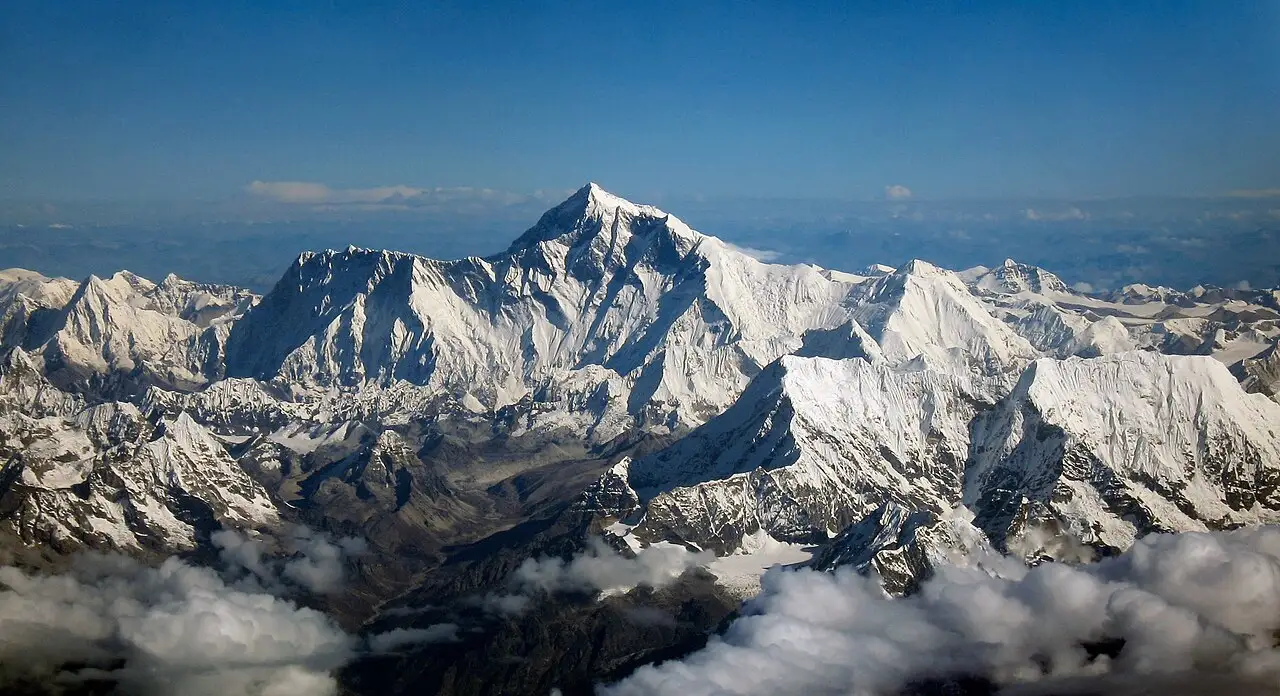
Mount Everest's allure extends beyond its physical challenges, captivating the world through stories of triumph, tragedy, and the indomitable human spirit. Its majestic presence has permeated popular culture, inspiring countless films, books, and artistic expressions.
On the Silver Screen
The drama and intensity of Everest expeditions have translated into gripping cinematic experiences. Everest (2015) is a thrilling depiction of the 1996 disaster, showcasing nature's raw power and climbers' resilience. Into Thin Air (1997), a docudrama based on Jon Krakauer's firsthand account provides a chillingly realistic portrayal of the same tragic events.
From a different perspective, Sherpa (2015) delves into the lives and culture of the Sherpa people, who are integral to Everest expeditions. The film explores their traditions, their relationship with the mountain, and the risks they face. Beyond the Edge (2022) offers a fresh look at the historic first ascent by Hillary and Tenzing, celebrating their extraordinary achievement.
Captivating Tales in Print
Books about Everest offer diverse perspectives, from personal accounts of harrowing climbs to fictional tales set against the mountain's dramatic backdrop. Jon Krakauer's Into Thin Air is a must-read for anyone interested in Everest. At the same time, David Breashears' High Exposure provides a fascinating behind-the-scenes look at filming on the mountain. Anatoli Boukreev's The Climb offers a controversial counterpoint to Krakauer's account, while Jamling Tenzing Norgay's Touching My Father's Soul provides a profoundly personal perspective from the son of one of Everest's first conquerors.
In fiction, Peak by Roland Smith is a thrilling young adult novel about a 14-year-old's journey to Everest. The Ascent of Rum Doodle by W.E. Bowman is a hilarious satire of mountaineering expeditions.
Artistic Expressions
Everest has also inspired musicians and artists. The Carpenters' song "Top of the World" uses Everest as a metaphor for achieving one's dreams, while countless paintings and photographs have captured the mountain's awe-inspiring beauty.
Ethical Considerations and Controversies
The commercialization of Everest has led to ethical concerns, such as overcrowding, the exploitation of Sherpa labour, and the environmental impact of expeditions. Films like Sherpa and books like Into Thin Air have sparked meaningful conversations about the ethics and sustainability of climbing Everest.
Mount Everest's enduring presence in popular culture reflects its status as a symbol of human aspiration, resilience, and the enduring allure of the unknown. It inspires, challenges, and captivates people worldwide, fueling our fascination with this majestic peak.
The Future of Everest: A Sustainable Vision
The future of Everest is a collective responsibility. As the popularity of the mountain continues to grow, it's crucial to address the environmental challenges and promote sustainable tourism practices.
Technological Advancements:
Technology is playing an increasingly important role in shaping the future of Everest expeditions. Advanced weather forecasting tools help climbers make safer decisions, while communication devices like satellite phones ensure they can get help in emergencies. Drones are being used to map the region and monitor glacier changes, while new types of gear, like lightweight tents and high-performance clothing, make the climb more accessible and comfortable.
The Role of Technology:
The use of technology is evolving to not only enhance the experience but also to mitigate some of the negative impacts:
- High-Altitude Drones: Drones are being utilized to monitor glaciers, map terrain, and even deliver supplies to higher camps. This reduces the need for human porters to make multiple trips up and down the mountain, thus minimizing the environmental impact and potential risks to porters.
- Virtual Reality Experiences: VR technology allows people to experience Everest's thrill and beauty without being physically there. While it's no substitute for the real thing, it could reduce the number of visitors to the mountain, easing pressure on the fragile ecosystem.
- The Sherpa Voice: Technology has also empowered the Sherpa community to amplify their voices and advocate for their rights. Social media and online platforms have given Sherpas a global platform to share their perspectives, raise awareness about labour issues, and push for fair compensation and better working conditions on expeditions.
Sustainable Tourism and Environmental Conservation:
The Nepalese government and local communities are committed to protecting Everest's fragile environment. New regulations are being implemented to limit the number of climbers and control waste on the mountain. Trekking agencies are also promoting responsible practices, such as using eco-friendly lodges, minimizing waste, and educating trekkers about the importance of preserving the environment.
Balancing Tradition and Modernity:
The Sherpa people are integral to the Everest experience. As the region modernizes, balancing economic development and preserving Sherpa culture and traditions is essential. This includes supporting local businesses, respecting their way of life, and promoting cultural exchange opportunities.
The future of Everest lies in sustainable practices, technological innovation, and a deep respect for the mountain's natural and cultural heritage. By working together, we can ensure that Everest remains a source of inspiration and adventure for future generations.
Conclusion:
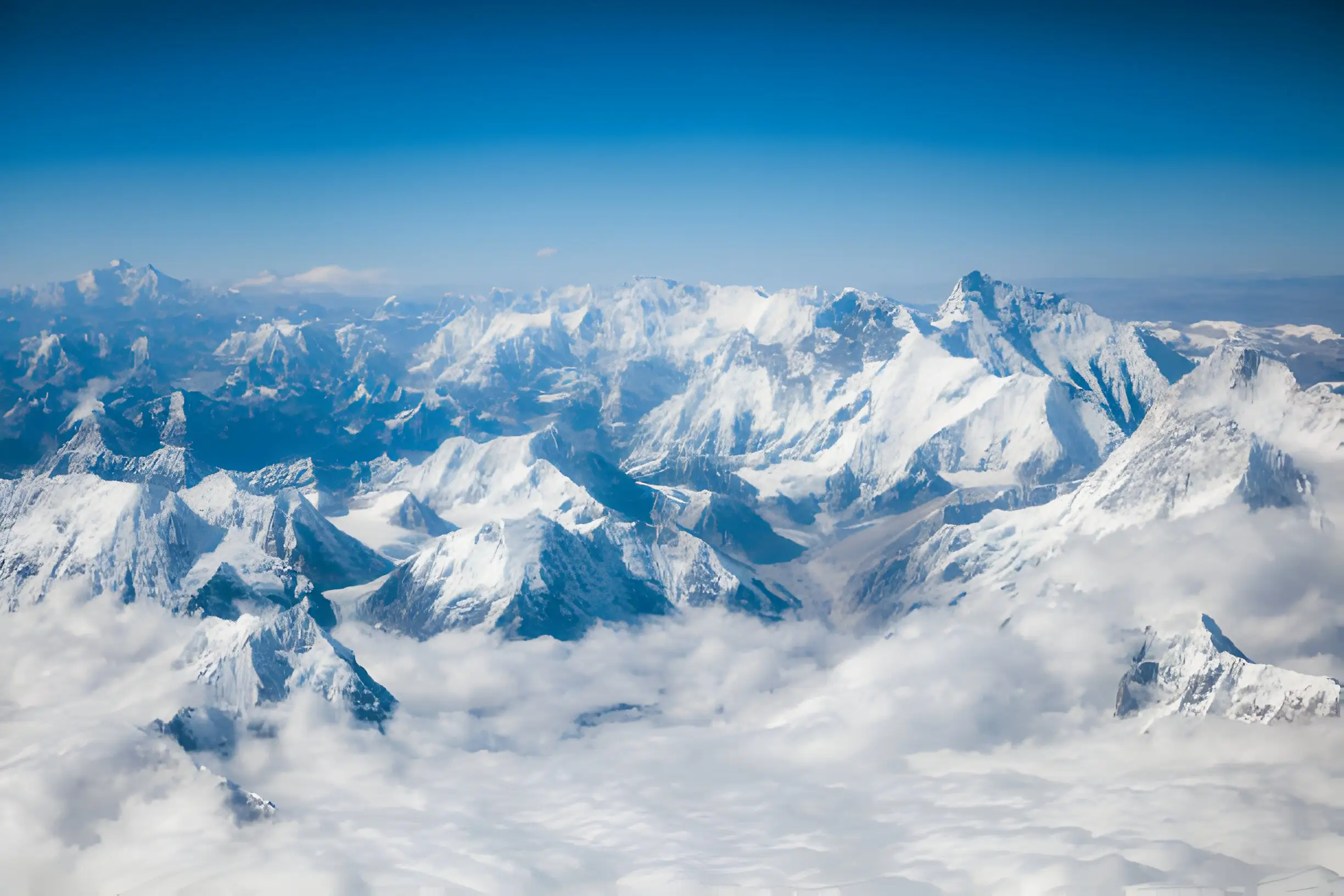
In conclusion, Mount Everest remains a symbol of human aspiration and a testament to the enduring power of the natural world. While it faces significant challenges, there is a growing commitment to sustainable practices and environmental conservation. By balancing ambition with responsibility, we can ensure that future generations can continue to experience the wonder and awe of this iconic mountain.
If you're ready to embark on the adventure of a lifetime, let NpTrek be your guide to Everest Base Camp Trek ???. We'll take care of all the details, ensuring you have a safe, enjoyable, and unforgettable experience on the roof of the world.
Updated: 21st May 2024 08:34 PM

