Manaslu Circuit Trek Cost Breakdown: Your Ultimate Guide to Budgeting
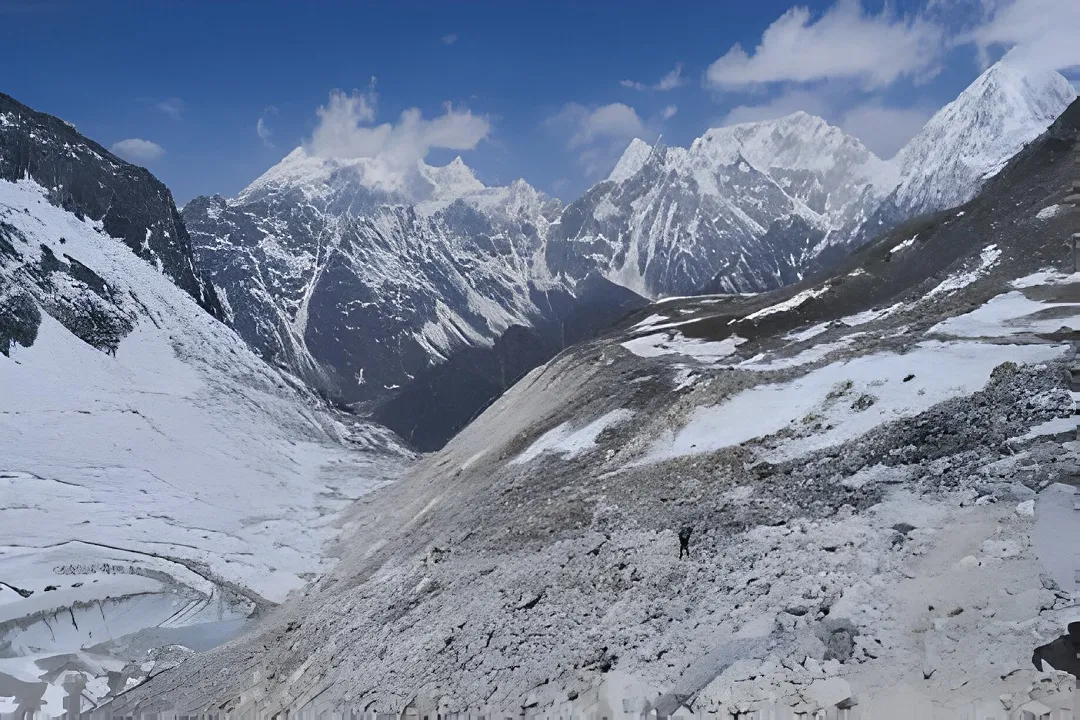
The Manaslu Circuit Trek, a hidden gem in the Himalayas, offers a thrilling and less-crowded alternative to the more famous Everest and Annapurna treks. This 14-21-day journey will take you through breathtakingly diverse landscapes, from lush forests and rugged mountains to charming villages and ancient monasteries, all under the watchful gaze of the majestic Manaslu peak—the eighth highest in the world.
But before you lace up your boots and pack your backpack, let's discuss the costs involved. Trekking in Nepal, particularly in restricted areas like Manaslu, involves various expenses that can add up quickly. From permits and transportation to accommodation, food, and other miscellaneous costs, it's important to have a clear picture of what to expect financially.
In this comprehensive guide, we'll explain every aspect of the cost of trekking the Manaslu Circuit, providing you with a realistic estimate and a detailed breakdown of expenses. Whether travelling on a shoestring or looking for a more comfortable experience, we'll offer valuable insights and practical tips to help you plan your dream Manaslu trek without emptying your wallet.
So, please grab a cup of tea, settle in, and explore the numbers behind this extraordinary adventure. By the end of this guide, you'll have a firm grasp of the Manaslu Trek cost and be well-equipped to budget for an unforgettable journey through the heart of the Himalayas.
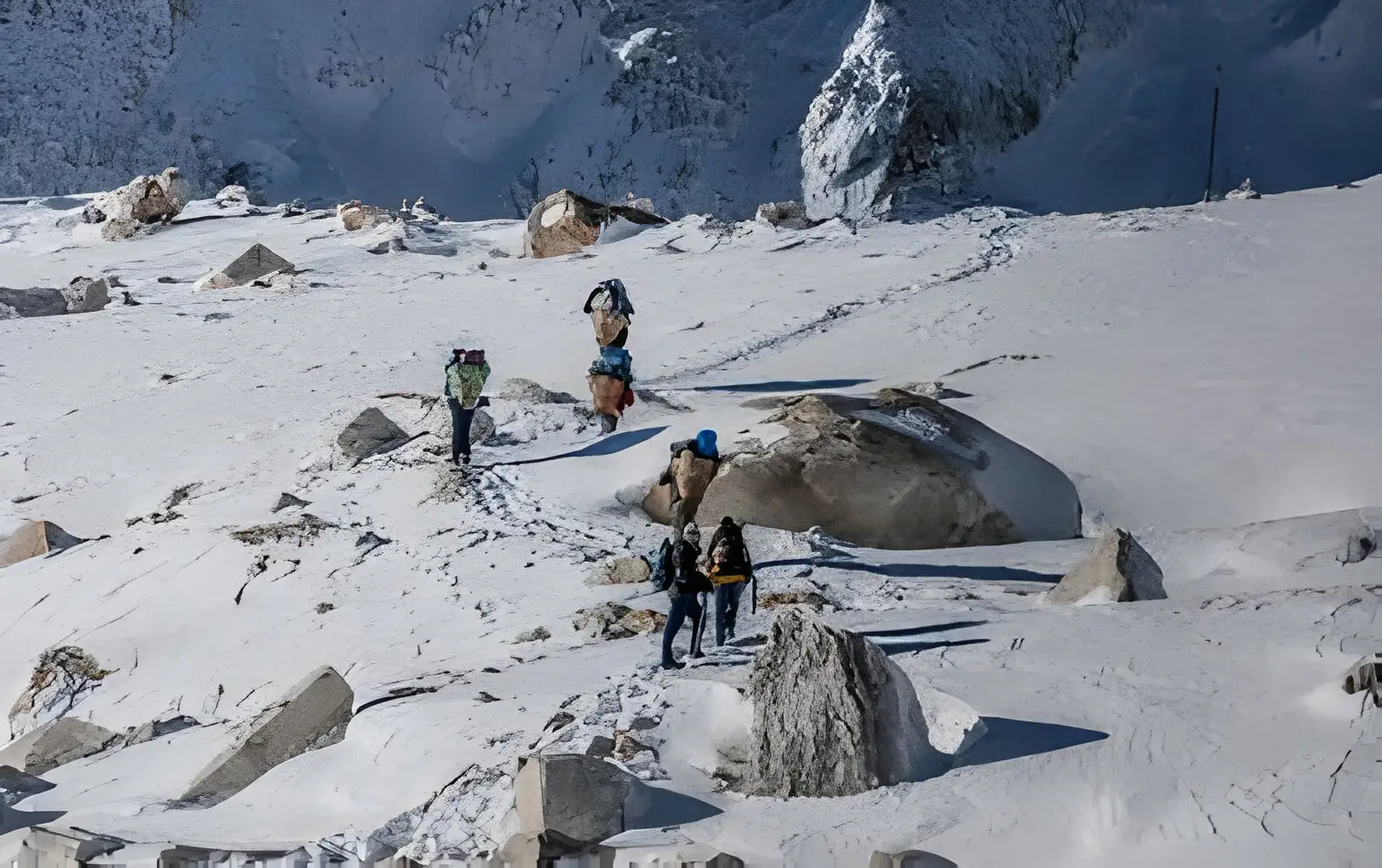
Permit Costs: Your Ticket to the Manaslu Region
You'll need the required permits before you can even set foot on the Manaslu Circuit trail. These aren't just bureaucratic hurdles; they help protect the environment and support the local communities. Here's what you need:
- Manaslu Restricted Permit: This is your essential pass into the Manaslu region. The cost varies depending on the time of year and how long you'll trek. If you trek during peak season (September to November), it'll cost USD 100 for the first seven days and USD 15 for each extra day. In the off-season (December to August), it's cheaper: USD 75 for the first seven days, then USD 10 for each additional day.
- Manaslu Conservation Area Permit (MCAP): This permit allows you to enter the Manaslu Conservation Area, which covers a large chunk of the trek. It costs NPR 3,000 (approximately USD 22) per person and has no time limit.
- Annapurna Conservation Area Permit (ACAP): The Manaslu Circuit briefly crosses into the Annapurna Conservation Area, so you'll need this permit, too. It's also NPR 3,000 (approximately USD 22) per person with no time limit.
Remember: To obtain these permits, you'll need to go through a registered trekking agency in Nepal. They'll handle all the paperwork and ensure you're ready to hit the trail.
Trekking Agency Costs: Your Trekking Partner
Planning a trek in a remote area like Manaslu can be overwhelming. But don't worry! Trekking agencies are here to help. They take care of all the logistics, like transportation, lodging, and food, and even provide experienced guides to ensure a safe and enjoyable journey.
Not only do they handle the practicalities, but they also enrich your experience. A knowledgeable guide can share insights into the local culture, history, and nature, making your trek even more meaningful. Plus, porters can carry your heavy gear, allowing you to focus on enjoying the stunning scenery.
Here's a breakdown of what you might spend with a trekking agency:
- Budget Packages (USD 1,100 - USD 1,500 per person): These cover the basics like permits, simple tea house accommodation, meals on the trek, a guide, and a porter to help with your luggage.
- Standard Packages (USD 1,400 - USD 1,800 per person): These offer more comfort, better accommodation, airport transfers, and even a few extra days for acclimatizing to the altitude or exploring side trails.
- Luxury Packages (USD 2,000 - USD 3,000+ per person): If you want to pamper yourself, these packages include upscale lodges, private transportation, delicious meals, top-notch guides, and personalized service.
Here's what can affect the price of your trekking package:
- Group Size: Traveling with a group can often get you discounts.
- Trek Duration: Longer treks will naturally cost more.
- What's Included: Some packages might include extras like travel insurance or sightseeing tours in Kathmandu.
- Agency's Reputation: Well-known and experienced agencies might charge a bit more.
Take some time to research and compare different agencies to find one that fits your budget and what you're looking for in a trek. Check out their reviews and make sure their itinerary aligns with your interests. Be bold, ask questions, and negotiate for the best deal possible.
Tip: When considering a budget package, double-check what's included. Some may not cover airport transfers, tips for guides and porters, or certain meals, so be prepared for those extra expenses. If you factor in these additional costs, you might get a better deal with a standard package.
Accommodation and Food Costs: Where You'll Rest and Refuel
Along the Manaslu Circuit, you'll find cosy tea houses and lodges where you can rest and recharge after trekking. These are your home away from home on the trail, offering a warm bed, delicious meals, and a chance to connect with other trekkers. Imagine swapping stories by the fire after a long day on the trail – these experiences make the trek truly special.
Teahouses and lodges are your main options for accommodation:
- Teahouses (USD 5-10 per night): are the most common choice, offering simple but comfortable rooms with shared bathrooms.
- Lodges (USD 15-30+ per night): Lodges are a great option if you want more privacy and amenities. They usually have private rooms and sometimes even en suite bathrooms.
Expect to spend around USD 25-35 per day on food. This includes three meals a day at the tea houses and lodges. Due to transportation costs, prices tend to increase as you go higher in altitude.
Want to save on food and accommodation? Here are a few tips:
- Trek during the off-season: You might find lower prices.
- Bring your snacks: This can help cut costs at the tea houses.
- Purify your water: Bring a water purification system instead of buying bottled water.
- Eat the local food: Dal Bhat, a traditional Nepali dish of lentil soup, rice, and vegetables, is not only delicious and filling but also the most budget-friendly option on the menu.

Getting There and Back: Transportation for the Manaslu Trek
Your journey to and from the Manaslu region is part of the adventure. Here's how you can get to and from the trailhead:
- Local Bus (USD 10-15 per person): The cheapest way to reach the trailhead from Kathmandu is by local bus. It takes about 8-10 hours, but it's a fantastic way to immerse yourself in local life.
- Private Jeep (USD 200-250 per group): For a faster, more comfortable journey (around 6-8 hours), a private jeep is an option, but it comes at a higher price.
- Shared Jeep: Some trekking agencies offer shared jeep transportation if you're travelling with others or are open to sharing a ride.
- Returning Home: You can use the same transportation options from Besisahar or Dharapani to Kathmandu for the return journey.
Additional Travel Costs:
- Flights to and from Nepal: This will depend on your origin, airline, and booking time. Book early for the best deals!
- Transportation in Kathmandu: You'll need extra cash for taxis or local buses to get around the city.
These are just estimates; the actual costs can change depending on the season, availability, and even your bargaining skills. This overview should help you plan your travel budget accordingly!
Additional Costs: Budgeting for the Unexpected
Beyond the major expenses, there are a few additional costs to keep in mind:
- Travel Insurance (USD 100-200): Having insurance for trekking in a remote area like Manaslu is essential. It covers medical emergencies, evacuation (which can be very expensive), trip cancellations, and lost or stolen gear. A comprehensive policy that covers trekking activities at high altitudes is a must.
- Tips for Guides and Porters (USD 10-15 per day for guide, USD 7-10 per day for porter): Tipping is customary in Nepal and a way to show appreciation for their hard work. Guides and porters often rely on tips for a significant portion of their income.
- Personal Spending (USD 10-20 per day): This covers snacks, drinks, souvenirs, hot showers, battery charging, Wi-Fi, and other personal items. Remember that prices tend to increase with altitude, so budget accordingly.
- Emergency Funds (USD 200-300): It is always wise to have some extra cash on hand for unexpected situations. This could cover anything from a flight delay to needing an additional night of accommodation or even minor medical expenses not covered by insurance.
- Gear Rental: If you need to get all the necessary trekking gear, you may need to rent items like sleeping bags, down jackets, or trekking poles. Prices for gear rental vary depending on the item and rental duration.
Remember, these are just estimates. Your actual spending may vary depending on your personal choices and needs. It's better to overestimate than to underestimate when it comes to budgeting for your Manaslu Circuit trek.
By factoring in these additional costs, you can avoid financial surprises and ensure a worry-free trekking experience in the breathtaking Manaslu region.
 Manaslu Circuit Trek Cost FAQs:
Q. What is the total cost of the Manaslu Circuit trek?
A: The total cost of the Manaslu Circuit trek can range from USD 1,800 to USD 4,000 or more, depending on your travel style, choices, and preferences. Budget trekkers can expect to spend around USD 1,800-2,700, while those seeking a more comfortable experience might spend USD 2,600-3,900. Luxury treks can easily exceed USD 4,000.
Q. What are the main expenses for the Manaslu Circuit trek?
A: The main expenses include permits (Manaslu Restricted, MCAP, ACAP), trekking agency fees (if you choose to go with an agency), accommodation and food, transportation, and additional costs like travel insurance, tips, personal spending, and emergency funds.
Q. Can I trek the Manaslu Circuit independently to save money?
A: No, independent trekking is not permitted in the Manaslu region. It would help if you trekked with a registered trekking agency, which will handle your permits and logistics.
Q. How do you save money on the Manaslu Circuit trek?
A: You can save money by trekking during the off-season (lower permit fees), choosing a budget trekking package, sharing costs with fellow trekkers, bringing snacks and a water purification system, eating local food, and negotiating prices where possible.
Q. Are there any hidden costs I should be aware of?
A: Yes, budget for additional expenses like travel insurance, tips for guides and porters, personal spending (souvenirs, snacks, extra drinks), emergency funds, and gear rental if needed.
Conclusion
Embarking on the Manaslu Circuit Trek is an investment in an unforgettable adventure. While the costs might seem daunting initially, with careful planning and smart budgeting, you can experience this Himalayan gem without breaking the bank. Remember, the memories you create and the breathtaking landscapes you encounter will far outweigh the financial investment.
By understanding the various cost components, researching different options, and making informed choices, you can tailor the trek to your budget and preferences. Whether you opt for a budget-friendly package, trek during the off-season, or embrace cost-saving tips on the trail, the Manaslu Circuit Trek is an accessible adventure for those willing to plan and prepare.
So, start saving, gear up, and get ready to be captivated by the raw beauty of the Manaslu region. The rewards of this epic journey – from the warmth of the local people to the grandeur of the mountains – will stay with you long after you return from the Himalayas. Your Manaslu adventure awaits!
Updated: 22nd May 2024 04:34 PM

