Langtang Valley Trek Cost Your Comprehensive Guide to Budget Trekking
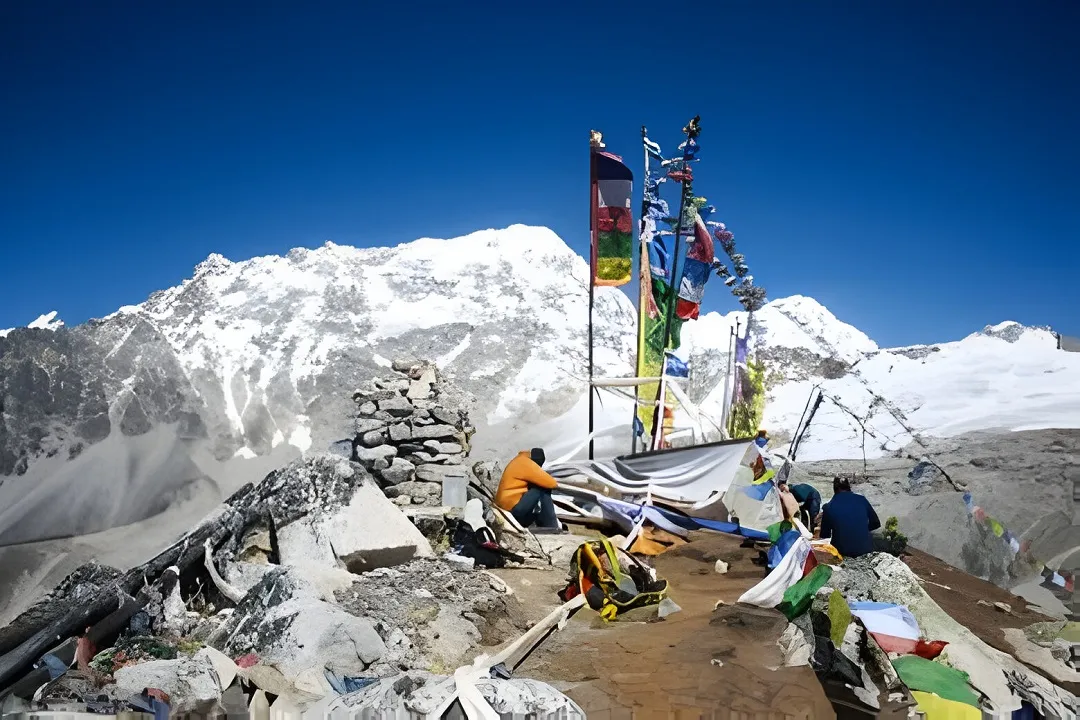
Are you yearning for a Himalayan adventure that won't break the bank? The Langtang Valley Trek is your answer! This hidden gem offers breathtaking mountain vistas, lush forests teeming with life, and authentic cultural encounters—all at a surprisingly affordable price. In this guide, we'll detail the Langtang Valley trek cost, share insider tips to save money and empower you to plan the perfect trekking adventure in this enchanting region.
Why Choose the Langtang Valley Trek?
Before we delve into the financials, let's uncover the unique allure of the Langtang Valley:
- Serene Trails: Escape the crowds of Everest and Annapurna and discover the peaceful solitude of Langtang's trails.
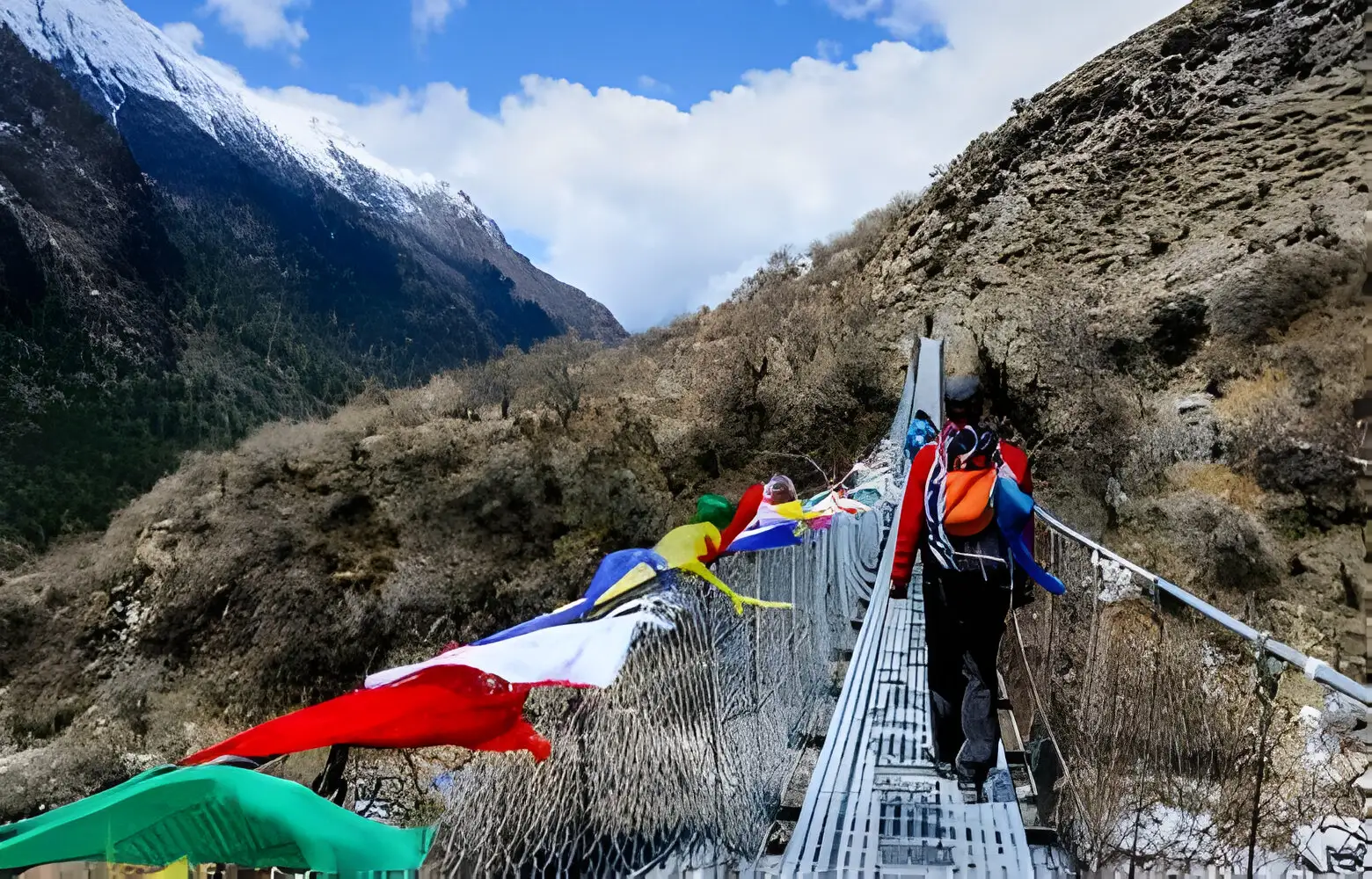
- Diverse Landscapes: Immerse yourself in a captivating blend of rhododendron forests, vibrant alpine meadows, shimmering glacial lakes, and majestic snow-capped peaks.
- Rich Cultural Heritage: Connect with the warm and welcoming Tamang people, delve into their unique traditions, and experience genuine Nepali hospitality.
- Accessible Adventure: The trek's moderate difficulty and shorter duration (7-10 days) make it ideal for novice trekkers and those with limited time.
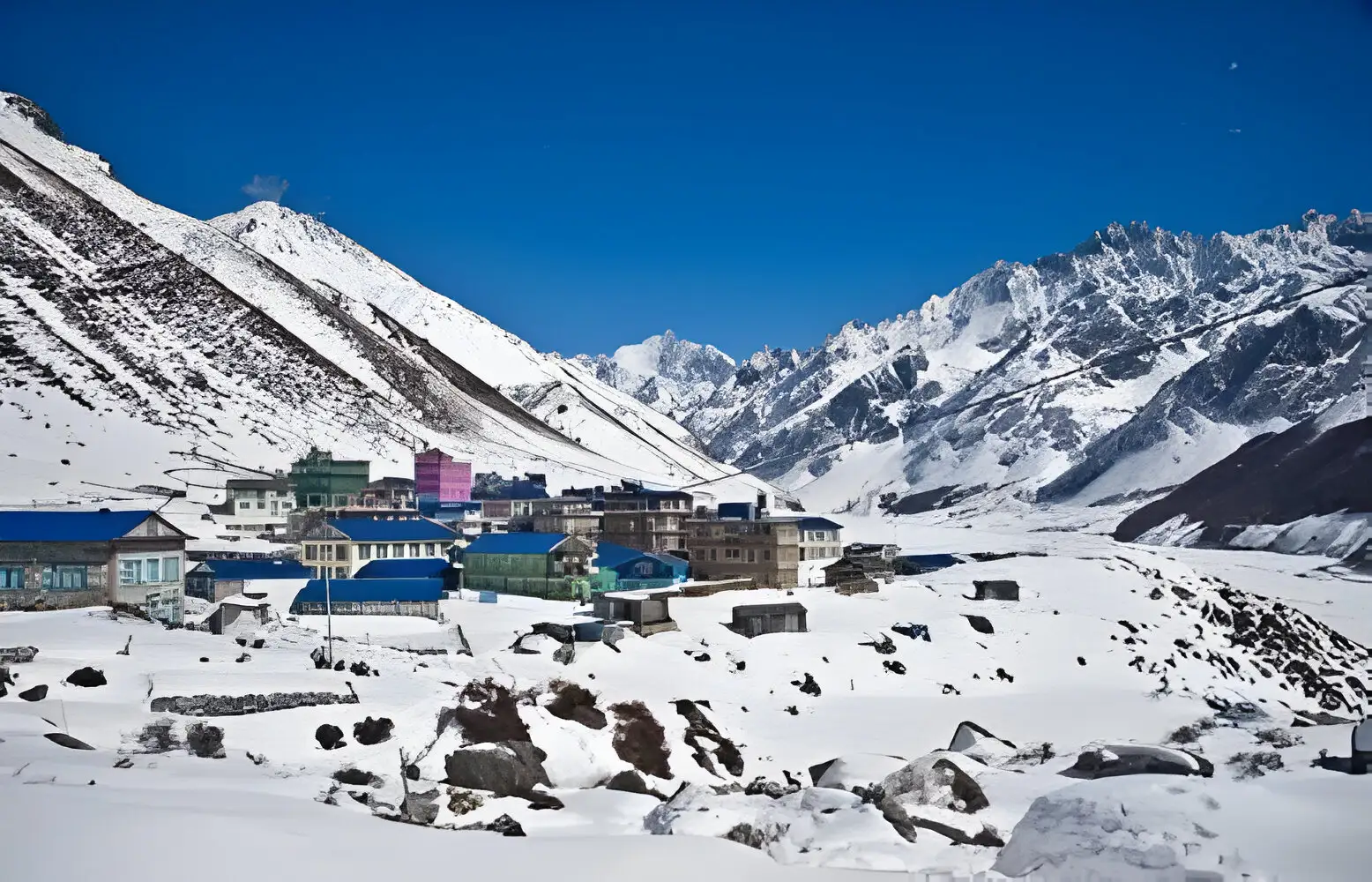
- Recovery and Resilience: After facing devastation from the 2015 earthquake, the Langtang Valley has rebuilt and is eager to welcome trekkers, making your visit even more meaningful.
Understanding the Langtang Trek Cost: A Breakdown
Permits (Essential):
Langtang National Park Entry Permit:
- Foreigners: USD 30
- SAARC Nationals: USD 15
TIMS Card (Trekkers' Information Management Systems):
- Foreigners: USD 20 (Individual) or USD 10 (Group)
- SAARC Nationals: USD 10 (Individual) or USD 3 (Group)
Transportation:
Kathmandu to Syabrubesi (trailhead):
- Local bus: USD 7-10
- Tourist bus: USD 20-30
- Private jeep (more comfortable but expensive): USD 100-150
- Return from Syabrubesi: Similar costs.
Accommodation:
- Tea houses are simple yet cosy lodges along the trail. A basic room with shared facilities costs USD 5-10 per night.
- Meals in tea houses: Varied menu with both local and Western dishes. Budget around USD 5-8 per meal.
- Drinks (tea, water, soda): Prices vary, but plan for around USD 1-3 per drink.
Guide and Porter (Optional but Recommended):
- Guide: Essential for navigation, safety, local knowledge, and cultural insights. Expect to pay USD 25-30 per day.
- Porter: Carries your heavier gear, allowing you to trek with a lighter load. Typical cost is USD 20-25 per day.
Optional Costs to Enhance Your Trek:
- Travel Insurance is crucial for any Himalayan trek. It covers medical emergencies, evacuations, trip cancellations, and more. Basic policies start around USD 30-50.
- Gear Rental: If you need to rent trekking gear like sleeping bags, down jackets, or poles, consider this additional cost.
- Tips for Guides and Porters: A customary way to show appreciation for their hard work. Plan for around 10-15% of their total fee.
- Souvenirs: Support local artisans and bring home unique handicrafts or souvenirs.
- Contingency Fund: Always carry extra cash (USD 100-150) for unforeseen expenses or emergencies.
Smart Tips for a Budget-Friendly Langtang Trek:
- Travel During Off-Peak Season: Enjoy lower prices in spring and autumn.
- Trek with a Group: Split costs with friends and get group discounts on TIMS cards.
- Eat Local Cuisine: the traditional Nepali dish Dal Bhat is delicious and affordable.
- Purify Your Water: Bring a filter or purification tablets to avoid buying bottled water.
- Stay in Budget-Friendly Lodges: Choose simpler tea houses to lower accommodation costs.
- Pack Snacks: Bring snacks from Kathmandu to avoid overpaying on the trail.
Total Cost Estimation:
For a comfortable Langtang Valley trek, plan on spending approximately USD $100-120 per person per day. This includes all essential costs, optional expenses, and a contingency fund.
Langtang Valley Trek Cost FAQs: Everything You Need to Know Before You Go
Q: How much does a Langtang Valley trek cost in total?
A: The total cost of your Langtang Valley trek will depend on several factors, including:
- Duration: Most treks last 7-10 days, so you can estimate your total cost by multiplying the daily budget by the number of days you plan to trek.
- Travel style: Budget vs. comfort (accommodation, food choices).
- Optional expenses: Guide/porter hire, gear rental, tips, etc.
For a comfortable experience, budget around USD 100-120 per person daily, covering all essential costs and some extras.
Q: Is the Langtang Trek budget-friendly?
A: Absolutely! The Langtang Trek is known for being one of the more affordable Himalayan treks. To further reduce costs, consider these tips:
- Trek in the off-season (spring or autumn): Lower prices for accommodation and transportation.
- Travel with a group: Split guide/porter costs and get group discounts on TIMS cards.
- Eat local food (Dal Bhat): Delicious, filling, and budget-friendly!
- Bring a water filter: Avoid buying bottled water.
- Stay in basic tea houses: Choose more spartan accommodation.
- Pack snacks from Kathmandu: Avoid overpriced snacks on the trail.
Q: Can I negotiate the price of hiring a guide or porter?
A: It's customary to negotiate guide and porter fees in Nepal, especially during the off-season or if you're travelling in a larger group. Be sure to agree on a fair price that reflects their experience and effort.
Q: Should I tip my guide and porter on the Langtang trek?
A: Tipping is a common practice in Nepal and a way to show appreciation for your guide and porter's hard work. A standard tip is around 10-15% of their total fee, but it is ultimately up to your discretion.
Q: How much cash should I bring on the Langtang trek?
A: Carry enough Nepali Rupees (NPR) to cover all your daily expenses, including:
- Accommodation
- Food and drinks
- Tips for guides and porters (if applicable)
- Souvenirs
- Unexpected expenses (budget for a contingency fund of USD 100-150)
While some tea houses may accept credit cards, it's not guaranteed and often comes with a surcharge, so it's best to have enough cash.
Q: Are there ATMs available along the Langtang Valley trek route?
A: ATMs are very limited in the mountains. Before starting your trek, it's best to withdraw enough cash in Kathmandu or significant towns.
Q: Is travel insurance required for the Langtang Valley trek?
A: While not technically mandatory, travel insurance is highly recommended for any Himalayan trek. It provides essential coverage for:
- Medical emergencies and evacuations
- Trip cancellations or interruptions
- Lost or stolen luggage
- Other unforeseen events
Embark on Your Himalayan Adventure!
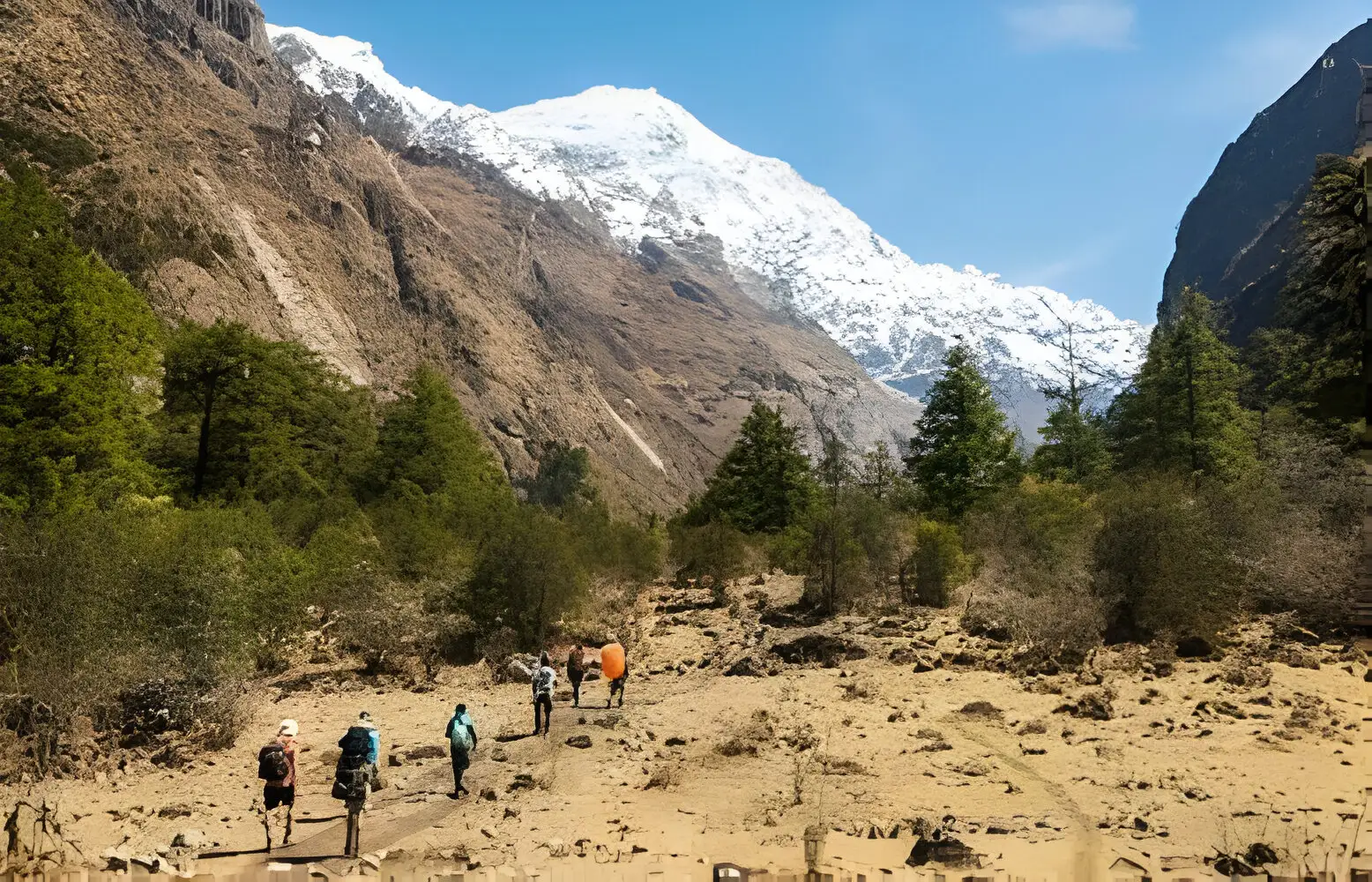
With its pristine beauty, cultural richness, and budget-friendly options, the Langtang Valley trek offers an unforgettable adventure. Let this comprehensive guide empower you to plan and execute the perfect Himalayan trek that fits your budget and leaves you with lasting memories.
Ready to take the plunge? Start planning your Langtang Valley adventure today!
Updated: 16th May 2024 07:36 PM

