Acclimatization and Altitude Sickness During a Trekking in Nepal
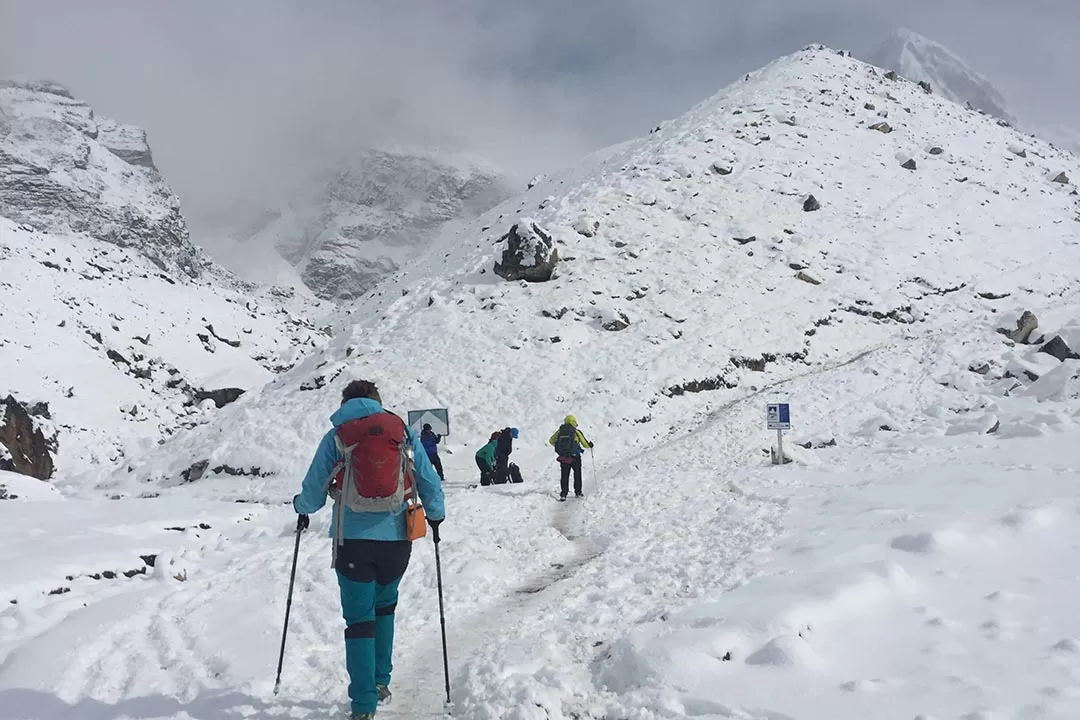
Acclimatization is one of the major parts of trekking in Nepal. Planning for acclimatization and rest days according to your itinerary and destination is crucial for a safe and enjoyable journey.
Acclimatization involves allowing the body to gradually adjust to the reduced oxygen levels by taking rest days at certain altitudes. Proper acclimatization plays a vital role in preventing altitude sickness.
Importance of acclimatization during high-altitude trekking
Acclimatization is of great importance during high-altitude trekking in Nepal. As trekkers ascend to higher altitudes, the air becomes thinner, leading to lower oxygen levels. It can cause altitude sickness and several other health problems.
By giving the body time to adjust to the changing environment, acclimatization helps reduce the risk of altitude sickness. This condition, known as Acute Mountain Sickness (AMS), can range from soft discomfort to life-threatening situations like High Altitude Pulmonary Edema (HAPE) or High Altitude Cerebral Edema (HACE). Proper acclimatization plays a key role in preventing AMS and its extreme conditions.
Recognizing symptoms and dealing with altitude sickness
While trekking in Nepal, you must become familiar with the symptoms of altitude sickness. Recognizing symptoms and dealing with altitude sickness is required for trekkers exploring high-altitude regions.
Altitude sickness can occur when ascending to elevations above 2,500 meters (8,000 feet) and is caused by the reduced oxygen levels in the air. Symptoms of AMS can vary from mild to severe and typically appear within the first 24 to 48 hours of ascending to higher altitudes.
The early signs include headache, dizziness, fatigue, loss of appetite, and difficulty sleeping. Trekkers may experience nausea, vomiting, shortness of breath, and a headache that doesn't improve as the condition worsens. In severe cases, symptoms like confusion, inability to walk straight, and dry cough may indicate High Altitude Pulmonary Edema (HAPE) or High Altitude Cerebral Edema (HACE), which require immediate medical attention.
When experiencing symptoms of AMS, the most important step is to descend to a lower altitude as soon as possible. Descending allows the body to recover and access more oxygen, helping ease the symptoms. Resting at a lower altitude and hydrating well can help you recover.
If you experience symptoms of AMS while trekking, you should immediately communicate with your trekking guide. Many trekking routes in Nepal have access to medical facilities or emergency evacuation services in case of emergencies. Thus, having travel insurance covering all the medical and emergency facilities is important.
Tips to prevent altitude-related issues for a safer trek
- Ascend slowly at your own pace and allow your body time to acclimatize to higher altitudes.
- Include acclimatization or rest days on your itinerary to give your body time to recover and adjust.
- Drink plenty of water throughout the trek to stay well-hydrated and help with acclimatization.
- Avoid alcohol and caffeine consumption, as they can contribute to dehydration.
- Maintain a balanced diet all along the trail to gain enough energy and stamina required for the trek.
- Be aware of the signs of altitude sickness and take them seriously.
- Immediately seek help from your guide or trekking companion in case of any signs or symptoms of altitude sickness.
- In case of experiencing severe symptoms, descend to a lower altitude for recovery.
- Dress in layers and be prepared for changing weather conditions at higher elevations.
Updated: 31st July 2023 12:55 PM

